Malaysia is marshalling diplomatic resources to address the financial fallout from its cancellation of a Naval Strike Missile procurement contract, marking a measured approach to managing a complex defence acquisition dispute with European partners. Defence Minister Datuk Seri Mohamed Khaled Nordin disclosed that both the Defence Ministry and Foreign Ministry have formally communicated Malaysia's position to the Norwegian government, signalling Kuala Lumpur's intent to resolve the compensation claims through structured negotiations rather than confrontation.
The government's strategy hinges on enlisting Norway as an intermediary between Malaysian authorities and Kongsberg Defence & Aerospace AS, the Norwegian defence contractor supplying the NSM system. By requesting the Norwegian government to facilitate dialogue, Malaysia is leveraging diplomatic channels to pressure the contractor toward a settlement while avoiding the acrimony of unilateral legal proceedings. This approach reflects a pragmatic calculation that a negotiated resolution, brokered at the state level, offers better prospects for limiting Malaysia's financial exposure than protracted litigation.
Datuk Seri Mohamed Khaled emphasised the government's commitment to resolving the matter expeditiously, attributing this urgency to the formal notices issued from the outset. The Defence Ministry's proactive communication with its Norwegian counterpart—and the Foreign Ministry's direct engagement with the Norwegian government—underscores the seriousness with which Kuala Lumpur views the dispute. By establishing clear lines of communication and documented positions early, Malaysia has created a paper trail that strengthens its negotiating stance and demonstrates good faith in seeking a fair outcome.
The involvement of the Public Accounts Committee reflects parliamentary oversight of the matter, with the committee receiving a special briefing from the Defence Ministry on the contractual dispute. The PAC subsequently articulated its expectations for government action, urging strengthened mitigation and diplomatic efforts to secure what it characterised as a fair resolution. Significantly, the committee emphasised the importance of safeguarding Malaysia's fiscal sovereignty—a reminder that domestic political considerations weigh heavily on how officials manage the dispute.
The cancellation of the NSM procurement contract represents a substantial reversal of Malaysian defence procurement strategy. The Kongsberg Defence & Aerospace system would have modernised Malaysia's naval capabilities, particularly in anti-ship warfare and surface combat scenarios critical to protecting maritime interests in the South China Sea. The circumstances prompting the cancellation—whether budgetary constraints, shifting strategic priorities, or technical considerations—remain less publicly articulated than the compensation dispute itself.
Malaysia's reliance on diplomatic mediation rather than contractual litigation speaks to broader patterns in Southeast Asian defence procurement. Regional nations frequently encounter challenges in managing complex defence contracts with international suppliers, balancing fiscal pressures against capability requirements. The NSM case illustrates how cancellations, while sometimes unavoidable, can trigger protracted disputes that consume scarce resources and diplomatic attention.
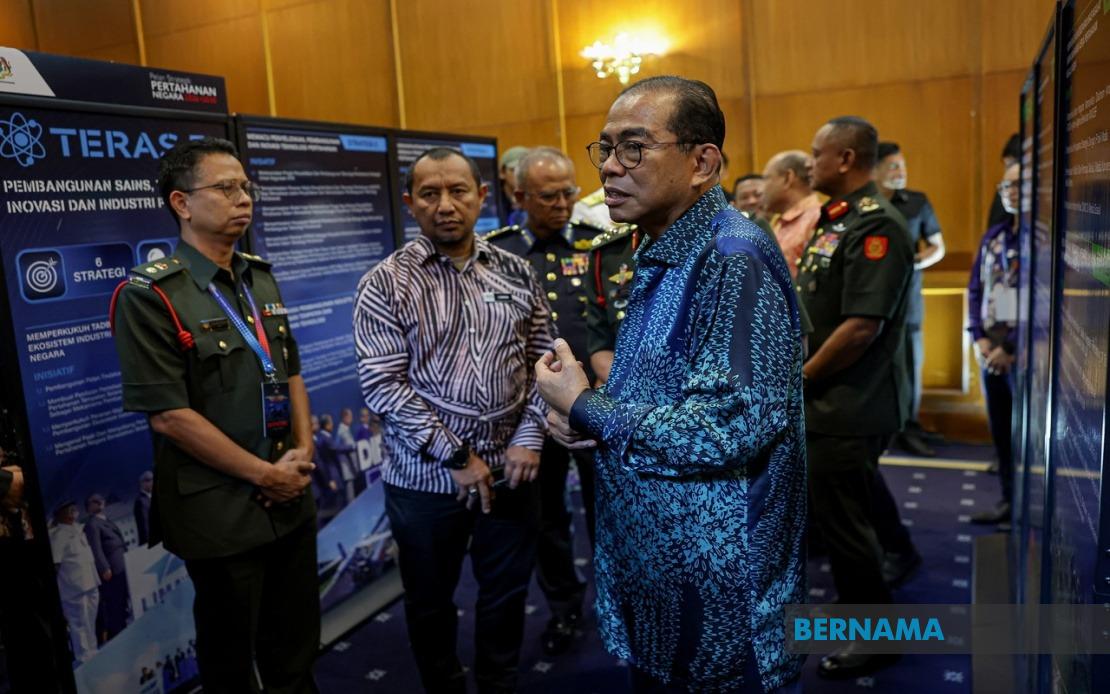
The timing of Defence Ministry disclosures coincided with the launch of the National Defence Strategic Plan and Defence Capability Blueprint 2026-2030, suggesting the government is attempting to frame the NSM cancellation within a broader strategic context. By presenting a forward-looking defence vision while managing the fallout from a cancelled contract, Malaysian authorities are signalling that procurement setbacks do not undermine long-term strategic direction. The presence of Chief of Defence Force General Tan Sri Malek Razak Sulaiman at the launch event reinforced institutional coherence around defence planning.
Malaysia's engagement of the Foreign Ministry underscores recognition that defence procurement disputes increasingly blur the line between commercial and diplomatic matters. In an era where security partnerships and defence relationships carry strategic weight, handling compensation claims requires finesse beyond pure contractual negotiation. The involvement of both ministries signals that Malaysia is treating the matter as having implications for broader bilateral relations with Norway, not merely as a commercial dispute.
The strategy of formal notification and structured mediation offers potential advantages for Malaysia. By establishing clear positions documented through official channels, the government creates international legal precedents that could favour its position. Should the dispute escalate to arbitration or international adjudication, the contemporaneous records of Malaysia's efforts to negotiate in good faith would strengthen its case. Additionally, enlisting Norwegian government support potentially constrains Kongsberg's negotiating position, as the company faces pressure from its own government to reach an amicable settlement.
For Malaysian taxpayers and defence planners, the NSM cancellation and subsequent compensation negotiations illustrate the hidden costs of defence procurement volatility. Beyond the immediate financial claims from Kongsberg, Malaysia incurs diplomatic and administrative costs in managing the dispute. These costs underscore the importance of rigorous acquisition planning and contractual frameworks that account for potential cancellation scenarios, particularly when engaging international defence suppliers.
Regionally, the manner in which Malaysia resolves this dispute carries implications for other Southeast Asian nations managing similar defence contracts. The approach—combining diplomatic engagement with formal legal positions—may offer lessons for neighbours grappling with defence procurement challenges. As Southeast Asian nations increasingly modernise military capabilities, the ability to manage cancellations and disputes without derailing broader defence partnerships becomes strategically valuable.
The compensation claim's eventual resolution will partially depend on contractual terms negotiated when Malaysia originally engaged Kongsberg. Termination clauses, penalty provisions, and dispute resolution mechanisms embedded in the original agreement will substantially influence outcomes. Malaysia's efforts to involve the Norwegian government suggest confidence that contractual terms provide reasonable grounds for limiting or reducing compensation obligations, though the specific amounts claimed and offered remain undisclosed.
Moving forward, Malaysia's diplomatic strategy requires patience and sustained engagement. Compensating Kongsberg Defence & Aerospace AS for contract cancellation while protecting fiscal interests demands careful balance. The involvement of both Foreign and Defence ministries, coupled with parliamentary oversight through the PAC, suggests Malaysia is approaching the matter with appropriate institutional attention. Success in these negotiations may ultimately determine how smoothly Malaysia's defence partnerships with Norwegian and other European suppliers function in future procurement cycles.

