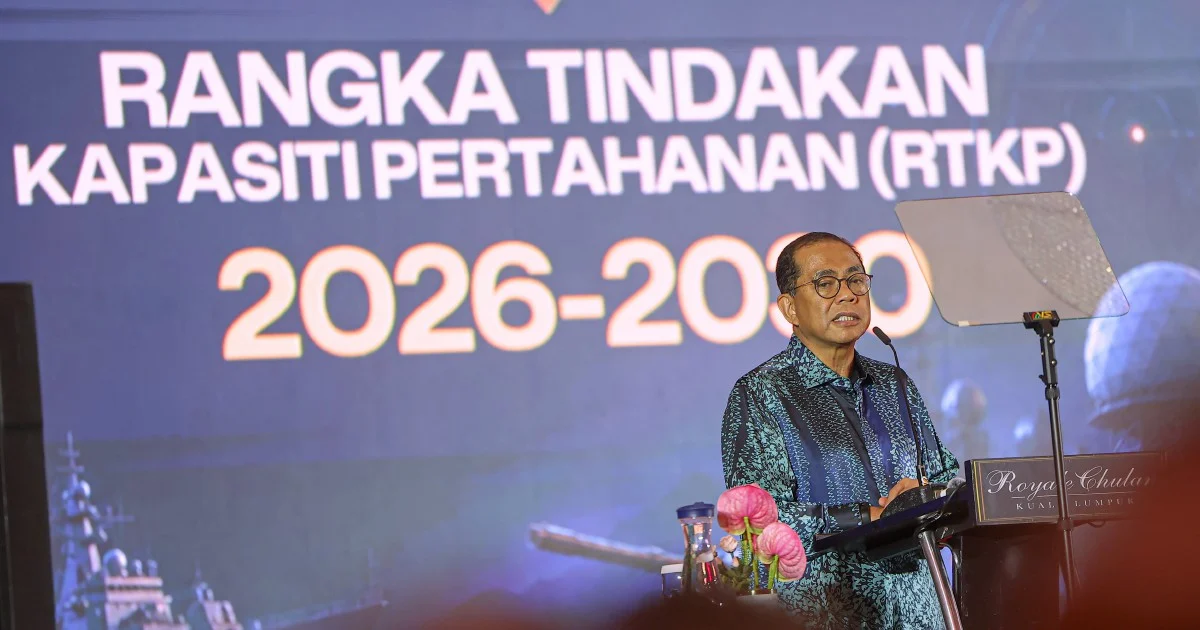
Malaysia's Defence Minister Datuk Seri Mohamed Khaled Nordin has declared the government's readiness to engage with Norwegian authorities over the unexpected termination of a missile supply contract central to the country's naval modernisation efforts through the Littoral Combat Ship project.
The cancellation by Norway represents a significant setback for Malaysia's maritime defence capabilities, as the nation has invested substantially in acquiring the LCS vessels to strengthen its naval presence and border patrol operations across the South China Sea and surrounding waters. The missile systems were intended to form a critical component of the combat capability of these ships, enhancing their operational effectiveness in regional security operations.
The withdrawal by the Scandinavian nation strikes at the heart of Malaysia's long-term defence procurement strategy. The LCS programme, spanning multiple years and billions of ringgit, has already faced considerable scrutiny regarding timelines, cost escalations, and technical specifications. The sudden revocation of the missile contract adds another layer of complexity to an already challenging acquisition undertaking that defence observers have characterised as troubled.
Norwegian authorities have not publicly detailed their specific rationale for the cancellation, though international defence agreements sometimes face political or diplomatic tensions that necessitate formal withdrawal of contracts. Malaysia now finds itself needing to either source alternative missile systems from other vendors or pursue diplomatic channels to reverse the Norwegian decision. This situation reflects the broader vulnerability facing developing nations dependent on Western military hardware, where geopolitical shifts can swiftly disrupt procurement commitments.
The Defence Ministry's statement indicating governmental preparedness to resolve the matter suggests Malaysia intends to pursue active diplomacy rather than escalate tensions. Such an approach aligns with Malaysia's typical foreign policy strategy of maintaining cordial bilateral relationships while seeking pragmatic solutions through official channels and dialogue mechanisms.
For Malaysian defence planners, the cancellation necessitates rapid contingency planning. The ministry must evaluate alternative suppliers of compatible missile systems, assess cost implications of switching vendors, and determine whether remaining LCS vessels under construction can be retrofitted with replacement weaponry without extensive delays or budget overruns. These considerations carry operational consequences that extend beyond mere procurement logistics.
The incident also highlights systemic challenges within Malaysia's defence industrial base. Unlike nations with robust indigenous defence manufacturing capabilities, Malaysia remains substantially reliant on international partnerships and imports for advanced military systems. This dependency creates vulnerability when procurement relationships experience unexpected disruption, as demonstrated in the Norwegian situation.
Regional security analysts note that South China Sea tensions underscore the urgency for Malaysia to maintain credible maritime defence capabilities. The LCS vessels represent investments in platforms designed specifically for coastal patrol, counter-piracy operations, and maritime domain awareness missions critical to protecting Malaysia's exclusive economic zone and enforcing maritime law. Delays in equipping these vessels with adequate weaponry diminishes their deterrent value and operational readiness.
Diplomatic resolution will require Malaysian officials to engage directly with their Norwegian counterparts to understand underlying concerns prompting the cancellation. Whether the issue stems from export control regulations, international sanctions frameworks, or other policy considerations remains unclear. Malaysian diplomatic efforts must navigate these complexities carefully while advocating for contract restoration.
Parallel to diplomatic initiatives, the Defence Ministry should simultaneously explore alternative procurement pathways. Regional suppliers in Singapore, India, or other nations with established defence relationships with Malaysia might offer compatible systems suitable for integration into LCS platforms. However, such switches typically involve extended technical evaluations and procurement timelines that further delay vessel deployment.
The situation carries implications extending beyond Malaysia's defence preparedness. Other Southeast Asian nations similarly dependent on Western defence suppliers may view the Norwegian cancellation with concern, recognising that their own procurement commitments remain potentially vulnerable to external pressures. This dynamic could accelerate regional interest in diversifying defence partnerships and sourcing systems from multiple vendors rather than concentrating procurement through single relationships.
Minister Khaled's public confirmation of governmental resolve to address the matter signals Malaysia's intention to pursue the matter at high political levels if necessary. The government's evident commitment suggests this issue will feature prominently in bilateral discussions with Norway, potentially involving additional diplomatic channels beyond routine defence ministry communications. Such engagement patterns typically prove more effective in resolving substantial commercial disputes affecting both nations' strategic interests.

