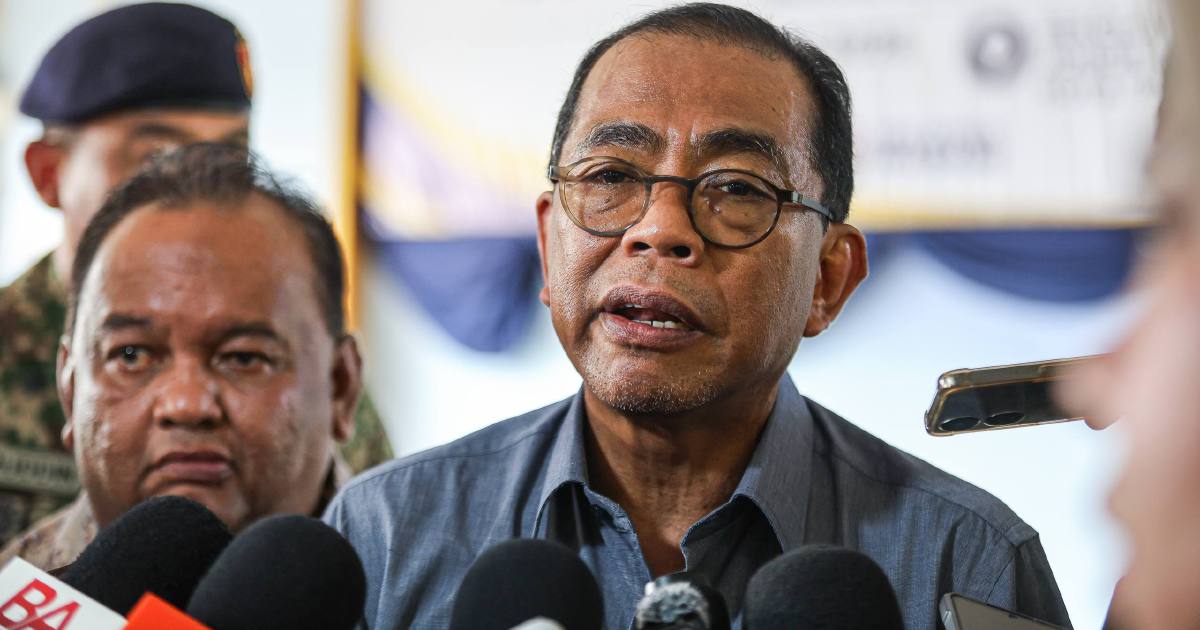
Defence minister Datuk Seri Mohamed Khaled Nordin has urged Australian authorities to speed up their investigative procedures surrounding a grenade accident at Hobart Camp, stressing Malaysia's interest in obtaining timely and thorough findings about the incident.
The explosion at the Australian military training facility resulted in injuries to Malaysian servicemen, prompting heightened concerns from Malaysian defence officials about safety protocols and incident management at joint training operations. Khaled's intervention signals the seriousness with which Malaysia regards the matter and underscores the importance of maintaining robust safety standards during bilateral military cooperation exercises.
Malaysia maintains significant defence partnerships with Australia, encompassing regular training activities, personnel exchanges, and joint exercises across multiple service branches. These collaborative arrangements form a cornerstone of regional security architecture and mutual defence capabilities. The incident at Hobart Camp, therefore, carries broader implications beyond the immediate casualties, touching on operational safety frameworks that protect military personnel from allied nations engaged in shared training initiatives.
The call for expedition reflects standard diplomatic protocol whereby host nations are expected to prioritise investigations into incidents affecting visiting military personnel. Australia's Defence Force maintains comprehensive accident investigation procedures, but Khaled's public statement emphasises Malaysia's expectation that findings be delivered without undue delay so that appropriate follow-up measures can be implemented and lessons learned documented.
Grenade-related incidents during military training operations, though statistically uncommon at established facilities like Hobart Camp, represent serious safety concerns that demand rigorous examination. Understanding whether the mishap stemmed from equipment malfunction, procedural deviation, or human error carries significant weight for both nations' defence establishments in refining safety protocols and training methodologies.
The timing of Khaled's statement also reflects Malaysia's commitment to transparency in military matters and its expectation that Australian authorities will maintain open communication channels regarding the investigation's progress and preliminary findings. Such arrangements are typical in defence partnerships where trust and mutual accountability form the foundation of effective cooperation.
Hobart Camp, located in Tasmania, hosts various training programmes for regional military forces. The facility's role in Southeast Asian defence partnerships means that incidents occurring there receive scrutiny from multiple stakeholder nations with personnel undergoing training or conducting joint exercises. Malaysia's vocal response underscores the interconnected nature of regional military cooperation and the reputational considerations involved when accidents affect allied personnel.
The injured Malaysian servicemen and their families naturally require clarity on the circumstances surrounding the grenade explosion. Beyond individual welfare concerns, the broader military community across Malaysia's defence sector will await detailed findings to assess whether existing safety measures require enhancement or whether the incident represents an isolated occurrence unlikely to recur under normal training conditions.
Australia has established institutional mechanisms for investigating military accidents, typically involving Defence Force personnel with specialised expertise in conducting thorough, impartial inquiries. The involvement of Malaysian defence authorities in subsequent discussions will help ensure that findings address concerns from both nations and that any remedial actions satisfy bilateral expectations regarding operational safety.
Khaled's call for expedition also carries domestic political significance within Malaysia, where parliamentary scrutiny and public interest demand accountability when service personnel face injury abroad. Defence officials must demonstrate that they are actively engaged in oversight and not passively awaiting Australian conclusions, particularly when citizens' welfare is at stake.
The incident occurs within a broader context of expanding military ties between Kuala Lumpur and Canberra, encompassing defence technology initiatives, intelligence cooperation, and strategic alignment within the Indo-Pacific region. Maintaining public confidence in the safety and integrity of these partnerships requires swift, transparent handling of accidents when they occur.
Moving forward, both nations will likely convene to discuss findings and implement any necessary procedural refinements at joint training facilities. Such consultations represent routine diplomatic engagement that strengthens operational partnerships by addressing legitimate safety concerns and reaffirming mutual commitment to protecting military personnel conducting professional duties.

