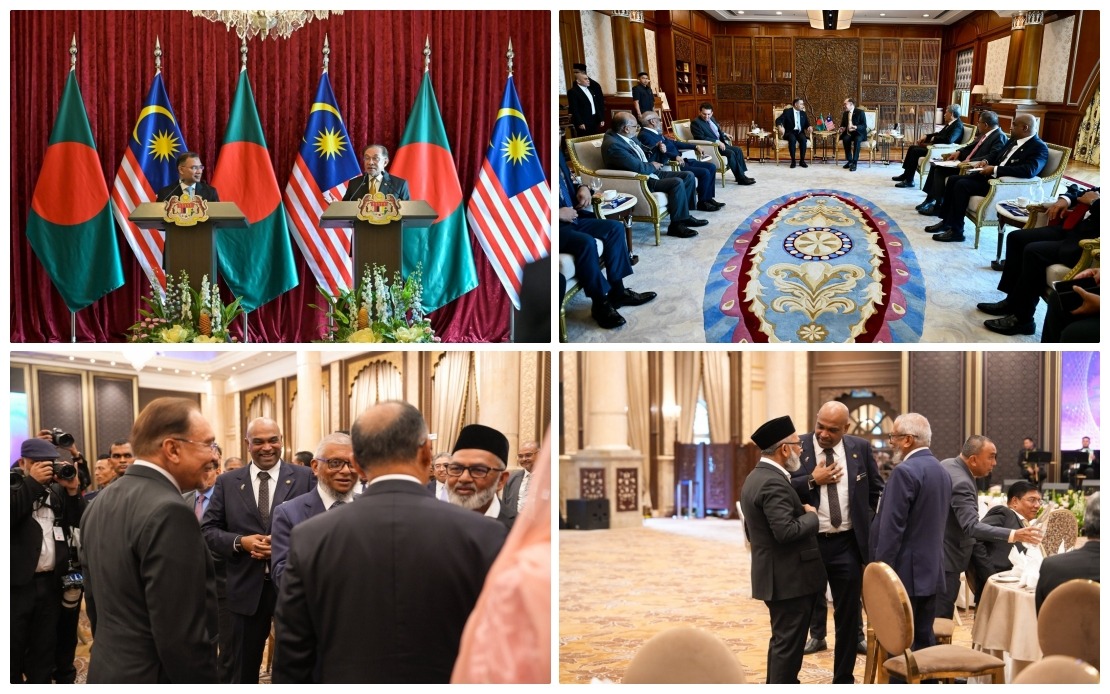
Malaysia is moving to tighten oversight of its foreign worker recruitment process, particularly for nationals from Bangladesh, one of the region's largest sources of migrant labour. Human Resources Minister Datuk Seri R. Ramanan has committed the ministry to strengthening governance mechanisms that will ensure recruitment activities maintain the highest standards of transparency, fairness and ethical conduct. The announcement underscores Malaysia's recognition that as a major destination for migrant workers, it bears responsibility for safeguarding both workers and its own economic interests through principled labour practices.
The commitment reflects a bilateral agreement between Malaysian Prime Minister Datuk Seri Anwar Ibrahim and Bangladeshi Prime Minister Tarique Rahman, reached during Rahman's two-day official visit to Malaysia. This represents Rahman's first bilateral trip abroad since taking office in February, signalling the strategic importance both nations attach to labour migration issues. The two leaders agreed to establish a Joint Working Group dedicated specifically to worker migration matters, demonstrating that labour management has become a key pillar of Malaysia-Bangladesh relations beyond traditional trade and diplomatic channels.
Bangladesh represents a critical source of foreign workers for Malaysia's labour-dependent sectors including manufacturing, construction, agriculture and domestic services. The scale of this relationship creates significant mutual interests: Malaysia requires sustained access to skilled and semi-skilled workers to maintain economic competitiveness, while Bangladesh depends on remittances from overseas workers as a vital source of foreign currency. However, the sheer volume of migration between the two countries has historically created vulnerabilities to exploitation and unethical recruitment practices, a reality both governments now appear determined to address.
The newly formed Joint Working Group will undertake a comprehensive evaluation of the existing Memorandum of Understanding governing worker migration between the two countries. This review process is essential, as the current framework may no longer adequately reflect contemporary labour market needs or international best practices in worker protection. By conducting this assessment, the two nations acknowledge that governance structures must evolve alongside changing economic conditions and emerging risks in the migration space.
Beyond evaluation, the working group's mandate includes drafting an updated Memorandum of Understanding that incorporates current best practices and addresses gaps in the existing arrangement. This new MoU is envisioned as a more comprehensive instrument that will serve both countries' interests more effectively than its predecessor. Such modernisation is particularly important given increased international scrutiny of labour migration practices and growing awareness of human trafficking risks that can accompany poorly regulated worker movements across borders.
Minister Ramanan emphasised that strengthening governance arrangements serves multiple interconnected purposes. Enhanced transparency in recruitment mechanisms helps eliminate opportunities for unscrupulous intermediaries to exploit workers through fraud or deception. Robust worker welfare provisions ensure that Bangladeshi nationals employed in Malaysia receive adequate protections covering wages, working conditions, accommodation and access to grievance mechanisms. Ethical frameworks embedded in recruitment processes protect Malaysia's reputation as a responsible employer nation while contributing to the broader regional goal of combating labour trafficking and exploitation.
For Malaysia, the implications extend beyond bilateral relations with Bangladesh. A well-governed recruitment system with Bangladesh can serve as a model for managing worker flows from other source countries, potentially establishing regional standards that elevate labour practices across Southeast Asia. As Malaysia positions itself as a development hub, demonstrating commitment to ethical employment practices becomes increasingly important for its international standing and ability to attract skilled workers from quality-conscious origin countries.
The welfare and rights dimension of the initiative carries particular weight. Malaysian employers in labour-intensive industries often struggle to find workers willing to accept challenging conditions, and unethical practices can emerge when desperate workers are exploited by unscrupulous employers or dishonest recruitment agents. By establishing clearer protections and transparent processes, the bilateral framework helps create a more level playing field where legitimate employers can compete fairly without being undercut by those relying on exploitative labour practices.
Bangladesh's interest in this governance strengthening reflects concerns about how its nationals fare abroad. Bangladeshi migrant workers have been documented facing wage theft, contract violations, unsafe working conditions and isolation in various destination countries. A strengthened bilateral framework with Malaysia signals to Bangladeshi workers and their families that their government is actively engaged in protecting nationals' interests abroad, potentially encouraging more informed decisions about overseas employment.
The timing of this initiative carries significance in the broader context of Southeast Asian labour migration. Several countries in the region have faced criticism for inadequate protections of migrant workers, and initiatives demonstrating commitment to governance improvements contribute positively to the region's reputation. Malaysia's proactive stance on this issue positions it ahead of some competitors in the region's labour market and aligns with international labour standards promoted by organisations such as the International Labour Organization.
Implementation of the new governance framework will require coordination across multiple Malaysian agencies including KESUMA, immigration authorities, and the police units responsible for combating human trafficking. Bangladeshi authorities will similarly need to align their oversight mechanisms, particularly for licensed recruitment agencies operating domestically. The Joint Working Group structure provides a formal channel for regular communication and problem-solving across these institutional boundaries.
Looking forward, the success of this Malaysia-Bangladesh initiative will likely influence how other Southeast Asian nations approach worker recruitment governance. If the new MoU and enhanced governance mechanisms prove effective in reducing exploitation while maintaining adequate worker supply for Malaysian industries, the model could be adapted for other bilateral labour relationships. This has potential to gradually raise labour migration standards across the entire region, benefiting millions of workers while creating more sustainable labour systems for receiving countries.

