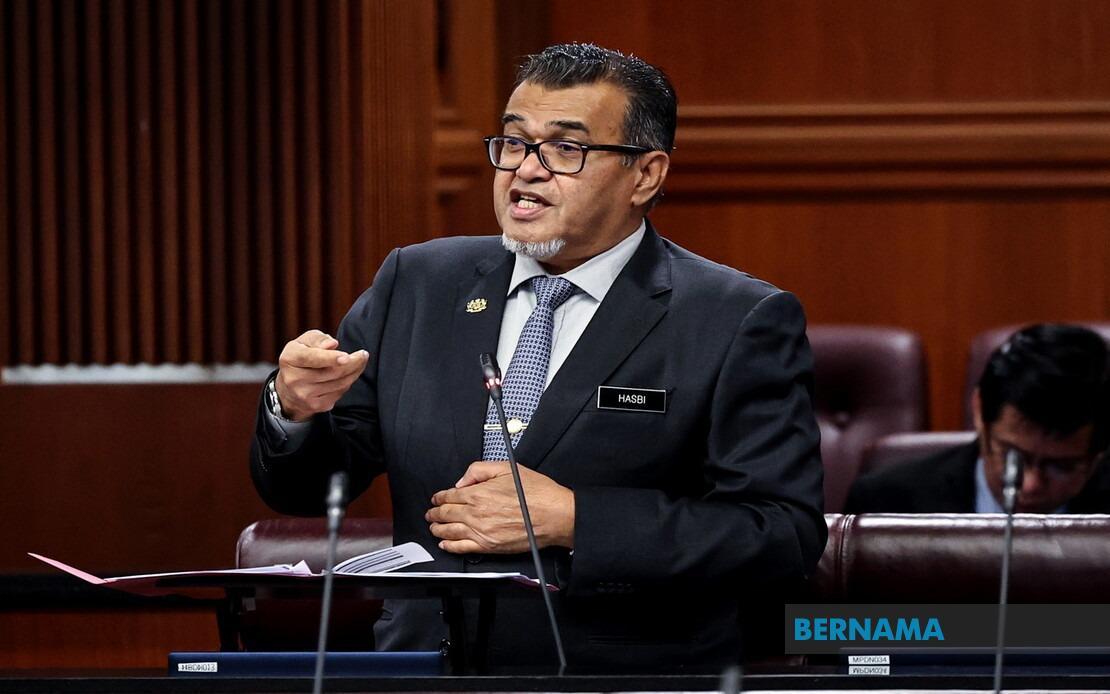
The Malaysian government is moving swiftly to close loopholes in legislation that has left railway infrastructure vulnerable to systematic theft and vandalism, according to statements made by Deputy Transport Minister Datuk Hasbi Habibollah in Parliament on July 2. The comprehensive legal overhaul, expected to reach lawmakers later in 2024, signals official recognition that outdated criminal penalties have failed to deter a lucrative underground economy centred on stealing railway cables and materials.
Current legislation imposes penalties as low as RM500 to RM1,000 for trespassing on railway property—a sum that fails to match the scale of losses incurred by the rail network. The proposed amendments will substantially increase punishment for cable theft, particularly offences with security implications, bringing statutory penalties into alignment with the actual damage caused. Hasbi's acknowledgement that "the current laws are too weak" represents a candid admission that legislative frameworks have lagged behind the sophistication and scale of railway-related crime in Malaysia.
Three years of recorded data illustrate the severity of the problem. Railway operators documented 393 cable theft incidents resulting in the removal of 19,756 metres of cable and causing estimated losses of RM16.3 million. These figures underscore how cable theft represents not merely property crime but a systematic drain on national infrastructure investment. Each incident carries broader implications for service reliability, maintenance budgets, and public safety, as damaged cables can compromise signalling systems critical to train operations.
The government's enforcement strategy extends beyond legislative penalties to include collaborative approaches with market actors in the scrap metal sector. Officials are intensifying coordination with the Royal Malaysian Police to engage scrap dealers and metal operators, convincing them to implement stricter verification procedures before purchasing materials. By targeting the downstream market for stolen goods, authorities aim to reduce the financial incentive driving theft. This supply-chain approach recognises that cable theft persists because criminals have ready buyers willing to pay competitive rates for scrap metal, regardless of its provenance.
Technological enhancement forms the second pillar of the security upgrade. The Railway Assets Corporation is deploying 1,146 units of AI-enabled closed-circuit television systems across high-risk locations at a cost of RM14 million. Modern surveillance infrastructure powered by artificial intelligence can detect unusual activity patterns, recognise individuals, and potentially identify organised theft operations far more effectively than traditional security cameras relying on human monitoring. Strategic placement in vulnerable areas amplifies the deterrent effect whilst optimising camera deployment efficiency.
Drone technology has emerged as a complementary surveillance tool, particularly in geographical zones presenting challenges to conventional foot patrols. Aerial monitoring enables security teams to observe vast rail corridors and isolated sections where theft commonly occurs, compressing response times and extending the reach of limited personnel. This investment reflects evolving security practice whereby unmanned systems supplement rather than replace traditional patrols, allowing authorities to maintain visible enforcement presence whilst gathering intelligence from aerial vantage points.
Keretapi Tanah Melayu Berhad's acquisition of 20 scrambler motorcycles for Auxiliary Police units demonstrates commitment to rapid-response capacity along the rail network. These lightweight vehicles facilitate swift movement through difficult terrain and permit officers to reach incident sites faster than conventional patrol cars. Enhanced mobility translates directly into reduced time windows during which thieves can operate, raising operational risk and thereby discouraging criminal activity.
For Malaysian commuters and businesses relying on rail transport, these measures carry practical significance beyond police operations. Reliable rail infrastructure underpins supply chains, enables workforce mobility, and supports broader economic productivity. Cable theft frequently results in service disruptions, delays that cascade through timetables and impose costs on passengers and freight operators alike. When criminals remove cable sections, repair teams must replace affected infrastructure before normal service resumes, consuming maintenance budgets and diverting resources from planned upgrades.
The regional context amplifies Malaysia's security challenges. Railway theft represents a persistent problem across Southeast Asia, with criminals exploiting transnational supply chains and shipping stolen materials across borders. Coordinated cable theft operations sometimes involve organised syndicates rather than opportunistic thieves, necessitating sophisticated enforcement responses. Malaysia's approach—combining legislative penalties, market-based interventions, and technology-enabled surveillance—reflects best-practice methodology adopted in neighbouring jurisdictions facing similar problems.
Implementation timing remains crucial. Parliamentary passage later in 2024 would bring amended legislation into force during a critical window when railway expansion projects are advancing. The High-Speed Rail project, East Coast Rail Link, and other infrastructure initiatives depend on secure, undamaged assets and uninterrupted construction schedules. Enhanced security frameworks directly support these megaprojects by reducing theft-related delays and cost overruns.
The financial dimension merits emphasis. RM16.3 million in losses across three years represents substantial value destruction. Translating this figure into annual terms reveals the recurring financial burden imposed by inadequate security frameworks. When multiplied across multiple years and accounting for operational disruptions, replacement costs, and deferred maintenance, aggregate impact becomes substantial. Investment in surveillance technology and enhanced enforcement, whilst requiring upfront capital, generates returns through theft reduction and improved asset utilisation.
Officials acknowledge that legislative amendments alone prove insufficient. The multi-pronged strategy—stronger laws, scrap metal market engagement, AI-enabled surveillance, drone monitoring, and rapid-response vehicles—recognises that criminal behaviour responds to multiple incentive structures. Raising penalties addresses the punishment dimension; disrupting scrap metal markets addresses financial incentives; surveillance technology addresses detectability; rapid response addresses escape windows. This comprehensive framework improves collectively what any single intervention could not achieve independently.

