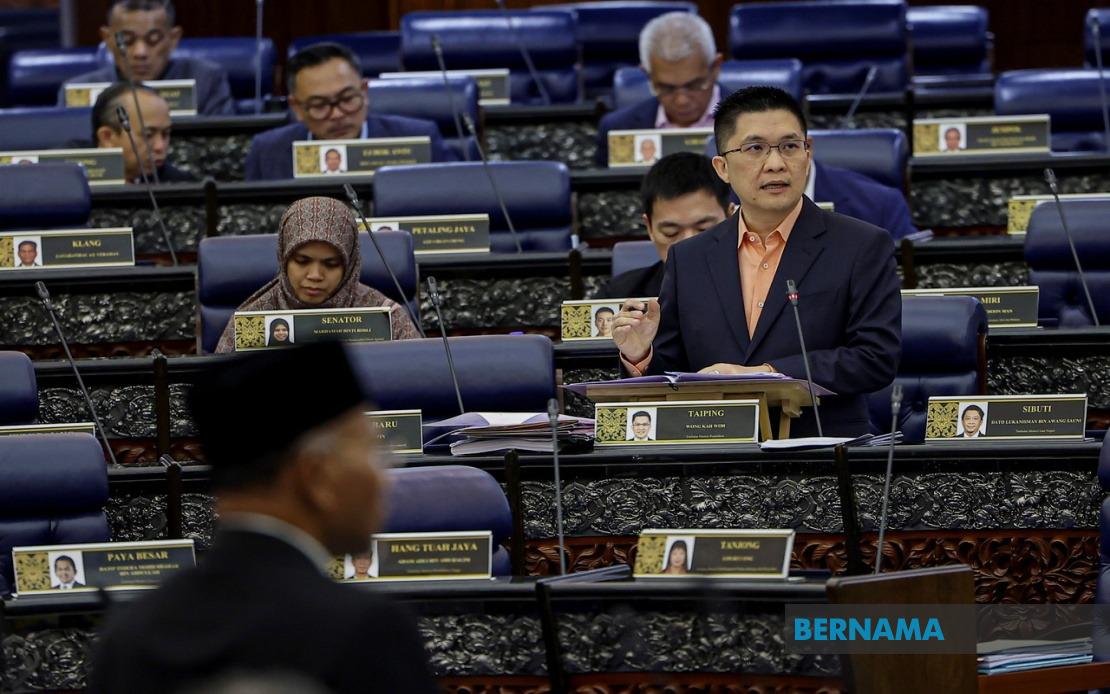
Malaysia's Ministry of Education is embarking on a substantial infrastructure and staffing expansion to manage an unprecedented shift in its primary school intake system. The decision to introduce simultaneous Year One cohorts for both six-year-old and seven-year-old children in 2027 has triggered a coordinated preparation effort spanning classroom construction, teacher recruitment, and curriculum adaptation. Deputy Education Minister Wong Kah Woh outlined the scale of these undertakings in Parliament, revealing that the ministry has already received over 478,000 registration applications—a clear indication that the transition will reshape the nation's schools from next year onwards.
The numbers underpinning this initiative are substantial. The ministry has processed 73,386 applications from six-year-old children and 405,033 from seven-year-olds, collectively representing a 12.07 per cent increase relative to the 2026 Year One enrolment, which involved only the seven-year-old cohort. This surge necessitates rapid expansion of physical capacity across the country's school system. To address immediate infrastructure gaps, the MOE is authorising the construction of 2,596 new classrooms distributed across 838 schools using the Industrialised Building System (IBS) modular construction method—a faster and more cost-efficient approach than conventional building techniques. The ministry has targeted completion of these projects by the end of this year, allowing schools adequate time to prepare facilities before the 2027 academic session begins.
Complementing the classroom expansion, the ministry is recruiting 3,150 contract of service teachers to ensure adequate staffing levels across schools receiving the dual cohorts. This recruitment initiative extends beyond temporary contracts; the ministry has confirmed it will also appoint reserve candidates from the Education Service Commission (SPP) to supplement its teaching workforce and address potential shortages at state and national levels. The ministry maintains five-year teacher requirement projections that inform these staffing decisions, allowing planners to anticipate demand across different regions. Wong emphasised that concurrent with recruitment, the ministry is prioritising professional development programmes to ensure teachers are equipped to manage the distinctive developmental and pedagogical needs of six-year-old pupils entering formal education for the first time.
The transition to accommodate younger entrants carries implications beyond physical infrastructure. The ministry recognises that children entering at age six may come from diverse early learning backgrounds, reflecting inequalities in access to quality pre-school education. To address this concern, the ministry has expanded pre-school capacity significantly, adding 350 classes during the current year compared with the historical average of approximately 150 classes annually. This accelerated expansion specifically targets B40 families—the bottom 40 per cent of earners—who lack resources to enrol children in private kindergartens. By expanding subsidised pre-school provision, the ministry aims to narrow the readiness gap between children from affluent and disadvantaged households, potentially reducing achievement disparities that often emerge early in primary schooling.
Acknowledging the complexity of managing two cohorts with different starting ages and developmental levels, the ministry has deliberately given parents agency in determining their child's progression. Parents retain the option to elect whether their six-year-old offspring enters the Year One cohort immediately or defers entry to join the seven-year-old cohort the following year. This discretion recognises that chronological age alone does not reliably predict developmental readiness for formal schooling; some younger children may benefit from additional pre-school exposure, whilst others demonstrate sufficient maturity to progress on schedule. The approach reflects international evidence suggesting that rigid age-based entry policies can disadvantage late-developing children, particularly boys, who may struggle with early formal instruction despite being developmentally normal.
The ministry has also committed to tailoring Year One curriculum content and pedagogy to align with pupils' developmental capacities. The 2027 school curriculum, implemented alongside the dual cohort system, will incorporate explicit adjustments to learning objectives, instructional methods, and assessment practices to accommodate the expanded age range entering Year One simultaneously. A structured Year One transition programme will scaffold pupils' adjustment to formal schooling, easing the psychological and behavioural shift from play-based pre-school environments to more academically focused primary education. These curriculum refinements represent a fundamental recalibration of early primary education philosophy, moving away from one-size-fits-all approaches toward differentiated instruction acknowledging developmental heterogeneity.
The dual cohort reform reflects broader education policy shifts responding to changing demographic and social circumstances. Malaysia, like other Southeast Asian nations, has experienced declining birth rates and increasing parental demand for earlier formal schooling access. By creating space for six-year-old entry, the government addresses longstanding parental requests whilst managing school-readiness concerns through expanded pre-school provision and flexible entry policies. However, the reform simultaneously creates significant disruption to private kindergarten operators who will lose one cohort of students—a concern the ministry acknowledges is under review. Engagement sessions with stakeholders, including private education providers, continue as the ministry weighs transition strategies that might mitigate economic damage to the private early childhood sector whilst advancing public policy objectives.
The geographical distribution of classroom construction across 838 schools suggests the ministry is attempting equitable provision, though the precise allocation across states remains unpublished. State-level projections of teacher demand and infrastructure needs will be critical to ensuring that resource distribution matches actual demand patterns. Urban areas with growing populations may experience capacity constraints despite new construction, whilst rural regions with declining cohort sizes may temporarily experience classroom underutilisation. The ministry's five-year planning framework should theoretically accommodate these regional variations, but implementation of differentiated strategies across 838 schools simultaneously will test administrative capacity and coordination mechanisms.
The financial implications of this expansion are considerable. Constructing 2,596 classrooms using IBS methods, recruiting 3,150 contract teachers, expanding pre-school provision by 200 classes annually, and implementing curriculum redesign represent substantial budget allocations. Whilst the ministry has not disclosed total estimated costs, comparable international infrastructure projects suggest expenditure in the billions of ringgit. The government's commitment to these investments signals genuine prioritisation of early primary education, though questions remain about long-term financial sustainability if enrolment growth slows or if budget pressures emerge in other education sectors.
For Malaysian families, the 2027 reform presents both opportunities and uncertainties. Families of six-year-olds gain earlier access to formal primary education, potentially accelerating academic progression for motivated students. Simultaneously, the expanded pre-school provision improves access for disadvantaged families previously unable to afford kindergarten fees. However, the dual cohort system introduces complexity in school transitions and social peer grouping; children will experience Year One classes with age-mates spanning a full year of developmental difference. Teachers will navigate heightened heterogeneity in pupil capabilities and maturity levels, requiring sophisticated differentiation skills. The success of this reform ultimately depends on execution quality—whether classrooms are genuinely completed on schedule, whether newly recruited teachers receive adequate preparation, and whether curriculum adjustments genuinely accommodate developmental diversity rather than merely representing nominal policy changes.

