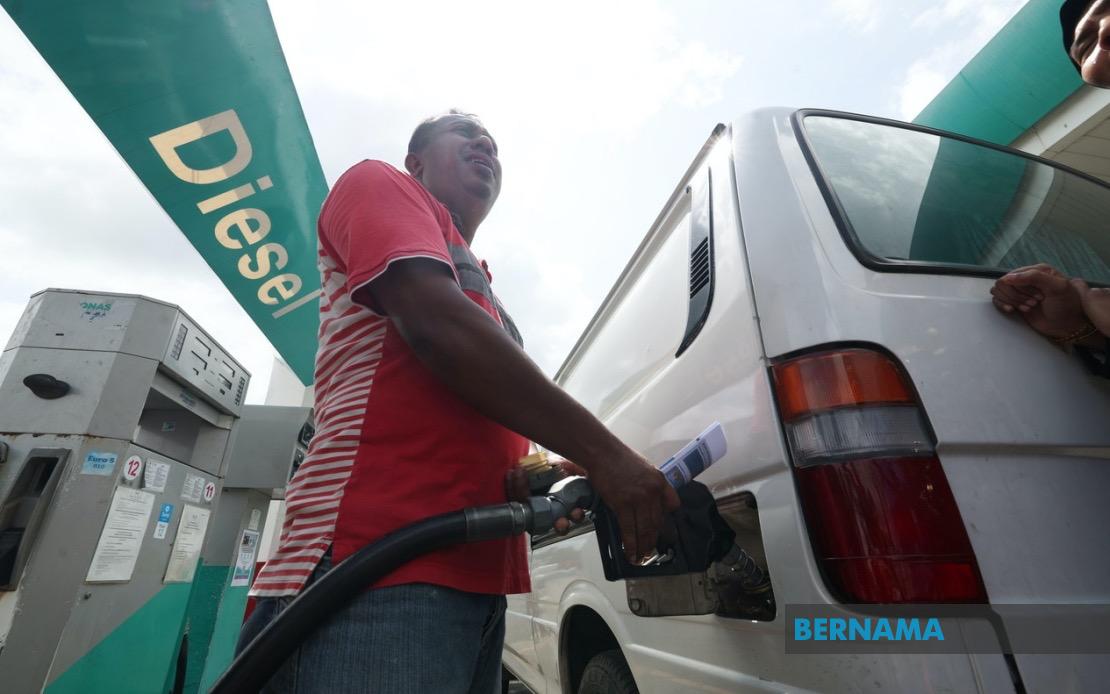
The Malaysian government will reduce subsidised diesel prices to RM2.10 per litre starting in July 2026, according to an announcement by Prime Minister Datuk Seri Anwar Ibrahim during an official ceremony in Bintulu. The decision marks a significant shift in the administration's approach to fuel subsidies, moving towards a more targeted distribution system designed to prioritise subsidies for eligible Malaysian citizens while maintaining fiscal discipline.
This new pricing structure represents a continuation of the government's subsidy reform agenda, which has increasingly focused on directing benefits to those who need them most rather than providing blanket support across the entire population. The initiative builds on the framework established through the BUDI MADANI RON95 programme, which introduced identity verification mechanisms to ensure that fuel subsidies reach intended beneficiaries. By leveraging MyKad technology for verification purposes, the government aims to create a more efficient and transparent subsidy distribution network.
The targeted diesel subsidy programme will operate similarly to the petrol subsidy system already in place. Malaysian citizens will be required to present their MyKad identification when purchasing subsidised diesel, ensuring that only eligible consumers receive the reduced rate. This digital verification approach allows authorities to track usage patterns and prevent potential abuse of the subsidy system, addressing long-standing concerns about fuel diversion and smuggling across borders.
Finance Minister II Datuk Seri Amir Hamzah Azizan is scheduled to provide comprehensive details regarding the implementation of the revised diesel pricing structure during a media briefing in Kuala Lumpur. The detailed explanation is expected to address practical concerns such as the timeline for rollout, the specific categories of vehicles eligible for subsidised rates, and the technical infrastructure required to support the MyKad verification system at petrol stations nationwide.
For Malaysian motorists, particularly those in the commercial and transport sectors, the RM2.10 per litre rate could represent meaningful savings on fuel expenditure, provided they meet the eligibility criteria established by the government. The transport industry, which relies heavily on diesel-powered vehicles for logistics and distribution operations, has historically been sensitive to fuel price fluctuations. A stable, subsidised diesel rate could provide operational cost predictability for businesses that depend on regular fuel purchases.
The announcement comes amid broader global energy price volatility and Malaysia's ongoing efforts to balance fiscal sustainability with the need to protect household and business budgets from fuel cost shocks. The government's shift toward targeted subsidies reflects a pragmatic recognition that universal price controls on fuel become increasingly burdensome on the national budget as global crude prices fluctuate. By concentrating subsidies on verified Malaysian citizens, the administration aims to maximise the impact of each ringgit spent on fuel support.
Southeast Asian observers will note that Malaysia's approach to subsidy targeting differs from neighbouring countries' models. While some regional nations maintain broader fuel price controls, Malaysia has progressively moved toward means-tested and identity-based systems. This strategy potentially positions Malaysia as a case study for other developing economies seeking to reform energy subsidies without triggering widespread public discontent or economic disruption.
The timing of this announcement, released during an official state ceremony in Bintulu that also addressed port privatisation matters, suggests that fuel policy remains a central element of the MADANI government's broader economic management platform. The integration of multiple policy announcements into single official events reflects the administration's attempt to communicate a comprehensive vision of economic reform and modernisation to both domestic and international audiences.
Small and medium-sized enterprises that operate diesel-powered transport fleets stand to benefit considerably from the new pricing structure, assuming they can access the subsidised rate through appropriate verification processes. The relief on fuel costs for SMEs could potentially translate into improved competitiveness and reduced operational pressures during a period when many businesses navigate post-pandemic economic recovery challenges.
The introduction of MyKad-based verification for diesel subsidies also represents a technological advancement in Malaysia's public service delivery infrastructure. The system builds on existing digital identity frameworks and demonstrates the government's commitment to leveraging technology for more efficient administration of social and economic programmes. Future subsidy reforms may incorporate similar verification mechanisms across other essential commodities if this diesel programme proves successful.
For environmental considerations, the shift toward targeted subsidies rather than universal price controls may eventually facilitate a smoother transition toward more sustainable fuel alternatives. When subsidies are concentrated rather than universal, policymakers gain greater flexibility to adjust pricing structures to encourage shifts toward cleaner energy sources without creating sudden shocks to vulnerable population segments.
The diesel subsidy reform represents a balancing act between fiscal responsibility and social protection that increasingly characterises economic policymaking in Malaysia. By maintaining support for fuel costs while introducing efficiency mechanisms, the government attempts to preserve living standards and business competitiveness while managing the substantial budgetary costs associated with energy subsidies. How effectively the MyKad verification system operates in practice will largely determine the success of this initiative in achieving its stated objectives.

