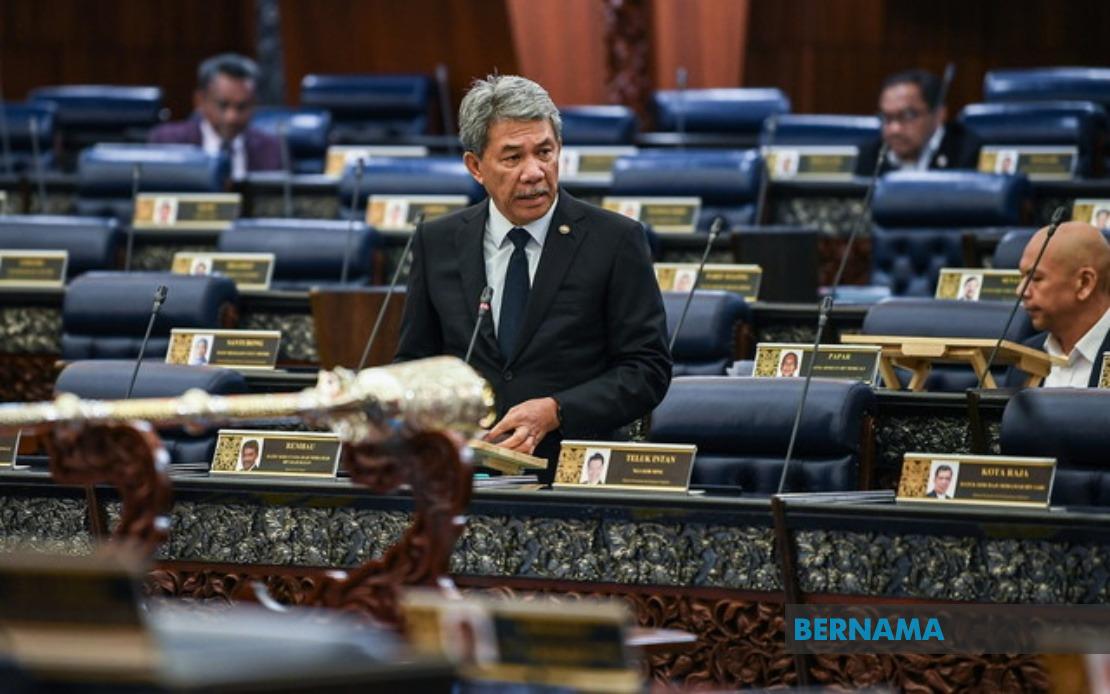
Malaysia intends to harness its influence within major international forums to advance peace efforts in West Asia, according to Foreign Minister Datuk Seri Mohamad Hasan, who outlined a multifaceted diplomatic approach during parliamentary question time this week. The government has positioned itself as an early backer of the recently signed United States-Iran memorandum of understanding, and plans to remain deeply engaged as both nations navigate a crucial 60-day negotiation window to formalise their agreement. This strategy reflects Malaysia's traditional role as a bridge-builder between the Global South and developed economies, whilst also honouring its commitments to the Organisation of Islamic Cooperation member states.
The memorandum encompasses 14 substantive provisions designed to reshape the geopolitical landscape across the Persian Gulf and surrounding territories. Among the key elements are commitments to reconstruct Iranian infrastructure damaged during decades of sanctions and military tensions, a figure Mohamad cited as worth USD300 billion. The agreement also includes provisions for the reopening of the Strait of Hormuz, one of the world's most critical maritime chokepoints through which roughly one-third of all seaborne traded oil passes globally. Additionally, the terms address the withdrawal of Israeli military forces from multiple theatres including southern Lebanon, an issue of particular sensitivity across the region and within Malaysia's Muslim-majority population.
Malaysia's engagement extends beyond passive observation, with Mohamad indicating the country is pursuing both direct and indirect channels to strengthen the prospects for lasting stability. The minister personally reached out to counterparts in Pakistan, which served as a neutral venue for the US-Iran negotiations, as well as key regional players the United Arab Emirates and Saudi Arabia. These conversations were framed as expressions of moral support and reassurances that Malaysia would continue backing diplomatic initiatives aimed at de-escalating tensions. Such outreach demonstrates Kuala Lumpur's understanding that sustained multilateral coordination is essential to prevent competing regional interests from undermining the fragile agreement.
The diplomatic toolkit Malaysia is mobilising reflects its unique position within multiple overlapping international structures. The country's membership in BRICS—a coalition increasingly asserting influence over global governance issues—provides leverage unavailable to smaller individual nations. Simultaneously, Malaysia's prominent role within the Non-Aligned Movement and the Organisation of Islamic Cooperation positions it as a voice representing the interests and perspectives of nations outside the Western-dominated international order. The United Nations framework, particularly engagement with the incoming President of the UN General Assembly, offers another avenue through which Malaysia can amplify calls for comprehensive conflict resolution rather than temporary ceasefires.
Yet Mohamad was forthright about substantial obstacles impeding progress toward genuine regional peace. He identified the Israeli government as fundamentally opposed to the success of current diplomatic initiatives, characterising it as a force actively working to destabilise the region through continued military operations. The Foreign Minister pointed specifically to ongoing Israeli military activities across Gaza, the West Bank, Lebanon and other occupied territories as impediments to the broader peace architecture the US-Iran talks might otherwise establish. This assessment underscores a central tension within the current diplomatic moment: whether the US-Iran agreement can genuinely reorient regional dynamics or whether Israeli actions will perpetually undermine efforts at comprehensive settlement.
A critical constraint identified by Mohamad concerns the structural imbalance of power within the UN Security Council, where the United States possesses veto authority over any resolution. The minister revealed that Washington has exercised this veto 31 times specifically to shield Israel from censure or pressure to alter its military policies. This statistic encapsulates one of the fundamental challenges confronting Malaysia and like-minded nations: the permanent members' veto power ensures that even overwhelming international consensus cannot translate into binding Security Council action if a superpower chooses to block it. The implication for Southeast Asian nations seeking to influence global affairs is sobering—traditional diplomatic forums have structural limitations that favour established powers.
Malaysia's approach reflects a calculated pragmatism about what diplomatic engagement can realistically achieve within these constraints. Rather than relying solely on Security Council mechanisms, the government is banking on sustained pressure through multiple channels to gradually shift the calculus facing Israel and its international patrons. The emphasis on moral support and the symbolic importance of early endorsement of the US-Iran accord suggests Malaysia believes that accumulating international legitimacy and demonstrating broad coalition-building can eventually create political costs for nations resisting conflict resolution. This strategy recognises that formal institutional mechanisms are insufficient without underlying political will.
The economic dimensions of West Asia tensions carry particular significance for Malaysia and the broader Southeast Asian region. The Strait of Hormuz closure mentioned by Mohamad has global ripple effects, disrupting energy markets and supply chains that Malaysian industries depend upon. Reopening this critical waterway would benefit Malaysia's economy through stabilised energy prices and smoother maritime commerce. The reconstruction commitments toward Iranian infrastructure also represent potential commercial opportunities for Malaysian companies and contractors, contingent upon sanctions relief and normalisation of international economic relations. These economic interests provide domestic constituencies—beyond foreign policy elites—with motivation to support diplomatic resolution.
Moreover, the broader West Asia conflict has created humanitarian consequences and refugee flows that affect Southeast Asia directly. Instability in the region has contributed to irregular migration pressures, sectarian tensions, and the spread of extremist recruitment networks that reach into Malaysia itself. By actively promoting conflict resolution at the international level, Malaysia is simultaneously addressing transnational security challenges emanating from the region. This integration of regional security concerns with global diplomacy represents a sophisticated understanding of how local stability depends upon resolution of distant conflicts.
Moving forward, Malaysia's success in these diplomatic endeavours will likely depend on several factors beyond government control. The durability of the US-Iran accord itself remains uncertain, given the volatility of American domestic politics and potential shifts in policy with future administrations. Regional actors including Saudi Arabia, the UAE, and Israel possess their own strategic calculations that may not align neatly with Washington's priorities. Nevertheless, by positioning itself prominently within the UN, OIC, BRICS, and NAM frameworks, Malaysia ensures that its voice remains part of these crucial conversations. The country's willingness to engage in quiet diplomacy while also making public statements about international pressure suggests a nuanced understanding that sustainable peace requires both behind-the-scenes negotiation and visible coalition-building.

