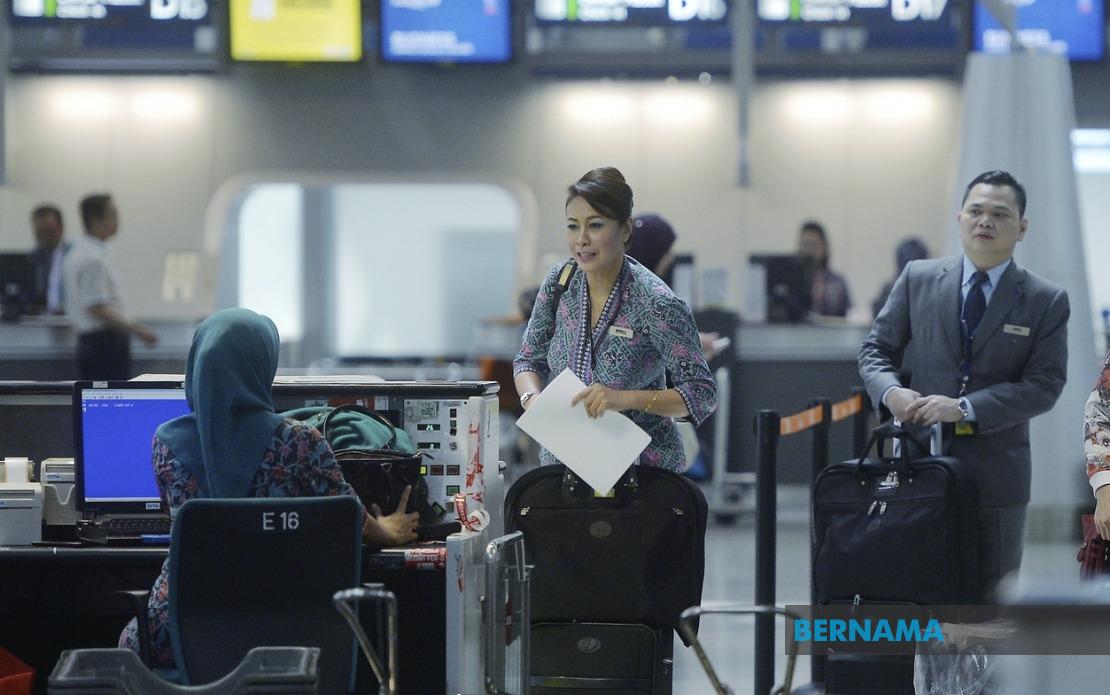
Malaysia's aviation security system faces an overhaul after a high-profile case exposed potential gaps in screening procedures for flight personnel. The Malaysian Border Control and Protection Agency (AKPS) announced it will strengthen and expand all security vetting processes affecting pilots and flight crew across the nation's airports, marking a significant response to an embarrassing breach that allowed a senior airline employee to allegedly smuggle drugs through Kuala Lumpur International Airport.
The decision emerged during a high-level coordination meeting convened by the Transport Ministry's secretary-general, Datuk Seri Jana Santhiran Muniayan, which brought together senior officials from AKPS, the Royal Malaysia Police, and Malaysia Aviation Group. AKPS director-general Datuk Seri Mohd Shuhaily Mohd Zain confirmed the agencies are treating the matter with considerable gravity, signalling that the incident has triggered serious concerns among aviation authorities about personnel vetting protocols that may have become too routine or insufficiently rigorous.
The catalyst for this security review was the arrest on July 29 of a 39-year-old Malaysian pilot at Soekarno-Hatta International Airport in Jakarta. According to Indonesia's Director-General of Customs and Excise, Djaka Budi Utama, the pilot was apprehended shortly after arriving at the Jakarta hub following an international passenger service departing from Kuala Lumpur. Indonesian authorities alleged he attempted to bring approximately 25 kilogrammes of ecstasy valued at roughly Rp60 billion into the country, with the contraband reportedly concealed within his checked baggage.
What compounds the embarrassment for Malaysia's aviation security framework is that the pilot had successfully navigated all standard screening procedures at KLIA before his July 28 departure. Mohd Shuhaily acknowledged that during routine scanning operations at Malaysia's principal international airport, neither the narcotics nor the luggage containing them triggered any alerts or suspicious indicators on detection equipment. The pilot's clearance through KLIA's security checkpoints represents a significant failure in the layered security approach that international aviation standards are meant to guarantee.
This gap in screening raises uncomfortable questions about the adequacy of current detection methodologies and personnel vetting practices at Southeast Asia's busiest aviation hub. The AKPS director-general indicated that Malaysian authorities are awaiting comprehensive feedback from police investigations to understand precisely how the suspect circumvented security measures, suggesting that root-cause analysis is still ongoing. The fact that a uniformed airline employee with legitimate access credentials could successfully transport large quantities of illegal drugs suggests either equipment limitations, procedural weaknesses, or human factors that warrant urgent attention.
The implications for Malaysia's reputation extend beyond domestic security concerns. The country hosts Kuala Lumpur International Airport and is a major regional aviation hub, with significant commercial and prestige interests at stake. An incident involving a pilot smuggling drugs creates reputational damage that can influence international carrier assessments of airport security standards and may prompt stricter screening protocols by foreign airlines operating from KLIA. Regional aviation authorities may also reassess cooperation arrangements with Malaysian counterparts.
The planned enhancements will incorporate more comprehensive screening protocols for all pilots and crew members, with officials indicating that existing procedures considered adequate will now be significantly expanded. This broadening of security measures suggests moving beyond basic scanner checks toward more intensive vetting, potentially involving background investigations, behavioral assessments, or enhanced biometric screening. The involvement of Malaysia Aviation Group—the parent entity overseeing national carriers—indicates that airline operators themselves recognise the necessity for internal strengthening of personnel accountability systems.
For Malaysian aviation industry stakeholders, the heightened screening requirements may introduce operational friction and longer processing times at airports, though authorities have framed these inconveniences as necessary security investments. The measures also reflect international best practices increasingly adopted following incidents involving aviation personnel involved in illicit activities. Many jurisdictions have tightened similar protocols after recognising that employees with legitimate airport access represent a distinct security vulnerability requiring specialised countermeasures.
The timing of this security review underscores how individual criminal cases can drive systemic policy responses across entire industries. Malaysia's approach demonstrates that authorities are willing to implement more rigorous controls despite the operational complexities involved. For regional aviation observers, the incident serves as a reminder that even developed airport infrastructure can harbour vulnerabilities when personnel screening remains insufficiently rigorous, and that Southeast Asia's aviation sector continues grappling with balancing security imperatives against operational efficiency.
Moving forward, Malaysia will need to ensure that enhanced screening procedures translate into measurable improvements in detection capabilities without becoming so onerous that they deter qualified personnel from aviation careers. The AKPS and collaborating agencies face the challenge of identifying specific procedural and technological upgrades that address the gaps exposed by this case while remaining sustainable across the nation's diverse airport network. Success will ultimately depend on translating the current heightened security attention into permanent institutional changes that become embedded in standard operating procedures.

