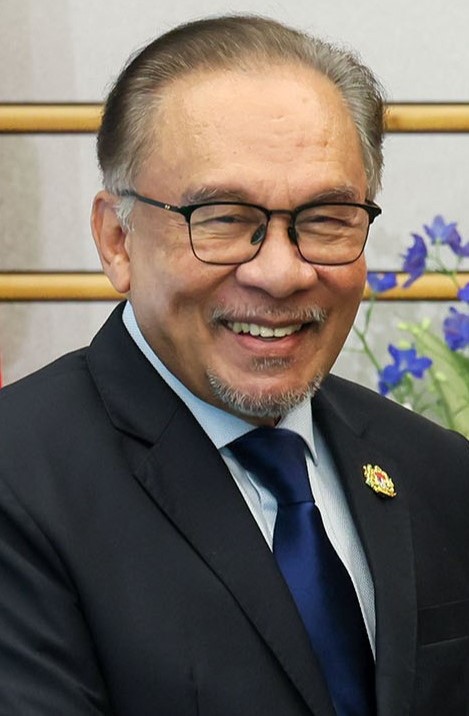
Prime Minister Datuk Seri Anwar Ibrahim is set to visit Ashgabat from June 18 to 19, a diplomatic mission designed to elevate Malaysia's relationship with Turkmenistan across multiple economic and strategic sectors. The visit represents a significant step in expanding Malaysia's engagement with Central Asian nations, reinforcing Kuala Lumpur's broader pivot toward building stronger ties beyond the traditional Southeast Asian sphere.
The energy sector stands as a primary focus for bilateral discussions during this visit. Turkmenistan possesses substantial reserves of oil and natural gas, resources that align with Malaysia's long-term energy security objectives. As Malaysia continues to manage its own hydrocarbon reserves and seeks to diversify its energy partnerships, engagement with Turkmenistan offers potential avenues for exploration, technology transfer, and joint ventures. The Central Asian nation's strategic position along key energy corridors makes it an attractive partner for Malaysian companies exploring opportunities in upstream and downstream sectors.
Beyond energy, the two countries are expected to explore cooperation in transportation and logistics infrastructure. Turkmenistan's geographical position as a bridge between Europe and Asia, combined with ongoing development projects in its transport networks, presents opportunities for Malaysian logistics and infrastructure firms. Malaysian expertise in port operations, supply chain management, and multimodal transportation systems could prove valuable to Turkmenistan's ambitions to enhance regional connectivity. Conversely, stronger ties may provide Malaysian companies with gateways to Central Asian markets.
Agricultural cooperation represents another pillar of the expected agreements. Malaysia's established expertise in palm oil production, tropical agriculture, and agricultural technology could be shared with Turkmenistan, which seeks to modernize its farming sector. Similarly, Turkmenistan's production of cotton and other crops could find new markets or joint development opportunities through Malaysian channels, particularly in Southeast Asia where Malaysian trading networks hold considerable influence.
Anwar Ibrahim's visit underscores Malaysia's strategic diversification beyond its historical regional focus. The Prime Minister has consistently advocated for a more globally engaged Malaysia, recognizing that economic opportunities and strategic partnerships exist well beyond ASEAN borders. Central Asia, long perceived as distant, has gained renewed relevance in Malaysia's foreign policy calculus as connectivity initiatives and regional integration efforts expand across Asia. This visit signals Malaysia's readiness to engage with countries that were previously less prominent in bilateral relations.
The timing of this visit also carries broader geopolitical significance. As regional powers compete for influence in Central Asia, Malaysia's diplomatic presence demonstrates the country's commitment to maintaining independent foreign policy channels and building relationships based on mutual economic benefit rather than bloc alignment. For Turkmenistan, engagement with Malaysia represents an opportunity to strengthen ties with Southeast Asia, a region of considerable economic dynamism and growing geopolitical importance.
From a Malaysian perspective, deeper engagement with Turkmenistan could yield several benefits. Access to energy resources and participation in Central Asian infrastructure projects could enhance Malaysia's economic resilience and reduce dependency on existing supply chains. Malaysian investors, particularly those in the energy, logistics, and agribusiness sectors, stand to gain from early positioning in the Turkmenistan market. Additionally, improved bilateral ties may facilitate collaboration in multilateral forums and strengthen Malaysia's voice in discussions affecting Asian economic architecture.
The visit is expected to culminate in bilateral agreements addressing the identified sectors of mutual interest. Such agreements, whether memorandums of understanding or formal contracts, will provide the institutional framework for sustained cooperation beyond the initial diplomatic engagement. The outcome will likely include commitments from both governments to facilitate business-to-business interactions, remove trade barriers, and support joint ventures.
For Malaysian businesses, this diplomatic initiative opens doors previously less accessible. The energy sector, with its substantial capital requirements and technical expertise, stands to benefit most immediately. However, smaller Malaysian companies in logistics, agricultural services, and technology could also find niche opportunities in the Central Asian market, particularly as Turkmenistan seeks to upgrade its economic structures and reduce isolation.
The visit also reflects evolving patterns in Asian diplomacy, where smaller and medium-sized nations increasingly engage directly with distant partners rather than relying on regional blocs as the sole avenue for international engagement. Malaysia's proactive approach toward Central Asia positions it as a bridge economy, capable of facilitating connections between the resource-rich regions of Central Asia and the manufacturing and financial hubs of Southeast Asia. This intermediary role could provide Malaysia with significant strategic leverage in years to come.
As Anwar Ibrahim travels to Ashgabat, the mission carries implications beyond immediate bilateral gains. It demonstrates Malaysia's commitment to a multipolar Asian order where multiple partnerships, carefully balanced and pursued on their individual merits, constitute the optimal foreign policy strategy. The visit to Turkmenistan, therefore, should be understood not merely as a two-nation engagement but as part of Malaysia's broader repositioning within an increasingly interconnected and competitive Asian economic landscape.