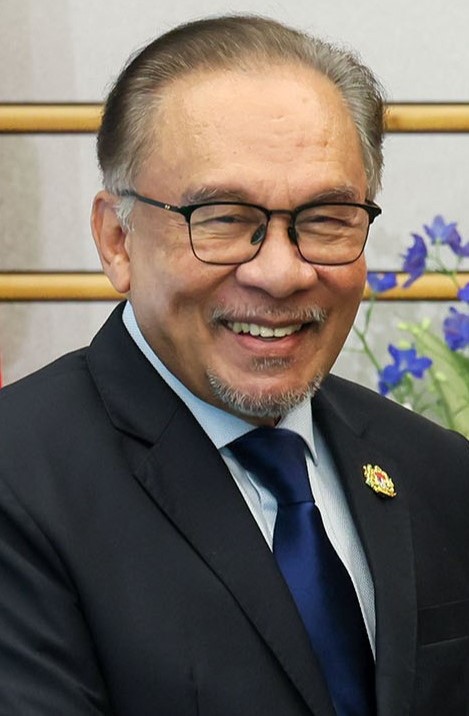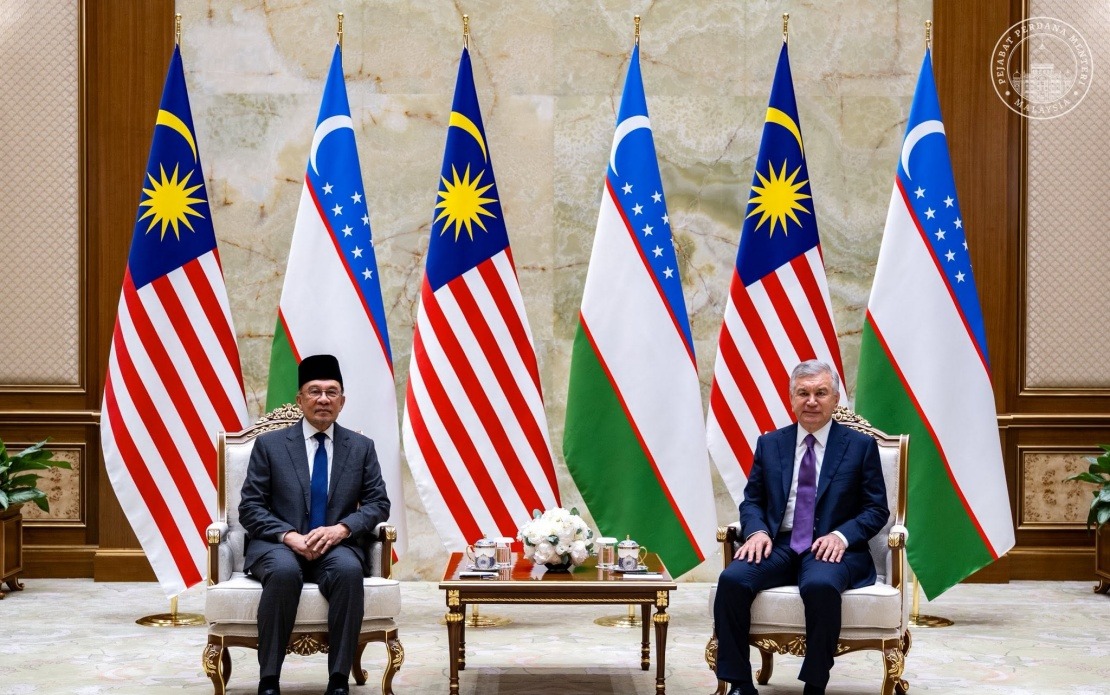
Prime Minister Datuk Seri Anwar Ibrahim has identified substantial scope for Malaysia and Uzbekistan to deepen cooperation across multiple strategic sectors, ranging from energy and commerce to education and cultural preservation. The Malaysian leader met with Uzbekistan President Shavkat Mirziyoyev during a brief layover in Tashkent while en route to Kazan, Russia, where he was scheduled to attend the ASEAN-Russia Commemorative Summit held on June 17-18. The unscheduled diplomatic encounter underscores growing momentum in bilateral relations between the two nations and reflects Malaysia's broadening engagement with Central Asian partners beyond traditional regional frameworks.
The discussion covered a comprehensive agenda that spotlighted economic development opportunities alongside shared cultural and religious interests. Both leaders examined prospects for intensifying trade and investment flows, strengthening educational partnerships, and advancing collaboration within the halal industry—a sector where Malaysia has established itself as a global leader. These areas represent natural convergence points given Malaysia's established expertise in halal standards, certification, and market development, combined with Uzbekistan's position as a significant Central Asian economy with growing consumer markets.
Among the most significant discussion points was the energy sector, particularly opportunities in gas and petroleum industries. Central Asia remains a crucial energy-producing region, and closer bilateral ties in this domain could enhance Malaysia's energy security while providing Uzbekistan with access to Asian markets and Malaysian technical expertise. Such cooperation potentially positions Malaysia as a strategic partner in Central Asia's energy landscape, diversifying sources of supply and investment opportunities beyond traditional Middle Eastern suppliers that have long dominated Malaysian energy portfolios.
Beyond commercial considerations, Anwar emphasised the importance of strengthening cooperation in preserving and promoting Islamic civilisation and its scholarly traditions. This dimension reflects a deeper engagement rooted in shared religious and cultural heritage—Uzbekistan, despite its Soviet secular history, has increasingly embraced its Islamic identity, making it a natural partner for Malaysia in advancing interfaith dialogue and scholarly exchange. The reference to "great figures who contributed to the advancement of human civilisation" signals Malaysia's interest in cultural and intellectual partnerships that transcend purely economic metrics.
The timing of this diplomatic encounter carries particular significance within the context of Malaysia's broader Central Asian strategy. As Southeast Asia navigates complex geopolitical dynamics, diversifying partnerships with key players in Central Asia helps balance traditional alignments and opens new avenues for regional influence. Uzbekistan, as the most populous Central Asian nation and a bridge between Europe and Asia, represents a strategic node in global connectivity initiatives. Malaysia's engagement here aligns with its vision of positioning itself as a hub within broader Asian frameworks.
Anwar's explicit appreciation for Uzbekistan's commitment to strengthening relations with ASEAN suggests mutual recognition of the potential to deepen institutional ties between Uzbekistan and the broader Southeast Asian region. This framing positions Malaysia as a facilitator and partner capable of bridging Central Asian and Southeast Asian interests, potentially opening pathways for Uzbekistan to engage more substantively with ASEAN platforms and initiatives.
The proposed cooperation framework articulates a vision extending beyond transactional trade relationships. By anchoring discussions in concepts such as "human dignity," "knowledge empowerment," and "inclusive development," both leaders signalled commitment to development models that prioritise social equity and sustainable advancement. For Malaysian audiences, this approach reflects the government's stated emphasis on equitable growth and inclusive prosperity—principles that resonate with domestic policy objectives and international development discourse.
Energy security considerations merit particular attention for Malaysia and the broader Southeast Asian region. Uzbekistan possesses significant natural gas reserves and sits along crucial energy transit corridors linking Central Asia to Asian markets. Enhanced bilateral cooperation in petroleum and gas sectors could contribute meaningfully to Malaysia's energy diversification strategy, reducing dependency on any single supplier or region. Furthermore, involvement in Central Asian energy projects positions Malaysian companies and expertise within emerging markets, creating opportunities for commercial expansion and technical service provision.
The halal industry dimension deserves recognition as a distinctive area where Malaysia holds competitive advantage and can transfer expertise to Uzbekistan. As Malaysia's halal sector continues expanding globally—encompassing food, pharmaceuticals, cosmetics, and financial services—partnership with Uzbekistan could establish new markets for Malaysian halal certification bodies and businesses. Simultaneously, this cooperation strengthens Malaysia's position as the global halal industry leader, embedding its standards and expertise within new geographical markets.
Educational cooperation represents another avenue with long-term strategic implications. Malaysian universities and educational institutions could attract Uzbek students, fostering people-to-people connections and creating networks that facilitate future business and diplomatic engagement. Conversely, Uzbekistan's scholarly traditions, particularly in Islamic sciences and Central Asian studies, offer Malaysian institutions valuable partnership opportunities for research and academic development.
The informal nature of this diplomatic encounter—conducted during a transit stop—reflects the flexibility and pragmatism increasingly characterising Malaysian diplomacy. Rather than confining bilateral engagement to formal state visits or scheduled diplomatic events, the Malaysian government appears willing to leverage travel opportunities to conduct meaningful diplomatic business, demonstrating commitment to expanding international partnerships.
For Malaysia and the broader ASEAN region, this engagement signals recognition that Central Asia represents an underutilised arena for economic cooperation, cultural exchange, and strategic partnership. As traditional regional dynamics shift, diversification of partnerships becomes increasingly valuable for maintaining autonomy and expanding opportunities. Uzbekistan, with its strategic location, energy resources, and growing openness to international engagement, represents precisely the type of partner that aligns with Malaysia's evolving foreign policy priorities.
Anwar's closing gesture—wishing the Uzbek national football team success in their 2026 FIFA World Cup qualifier against Colombia—added a human dimension to the diplomatic encounter, reflecting the soft power utility of sports diplomacy. Such personal touches in international relations, while seemingly minor, contribute to building rapport and positive sentiment between nations, potentially facilitating smoother cooperation in substantive areas. This small gesture underscores that modern statecraft encompasses not merely formal negotiations but also the cultivation of goodwill through cultural and sporting connections.