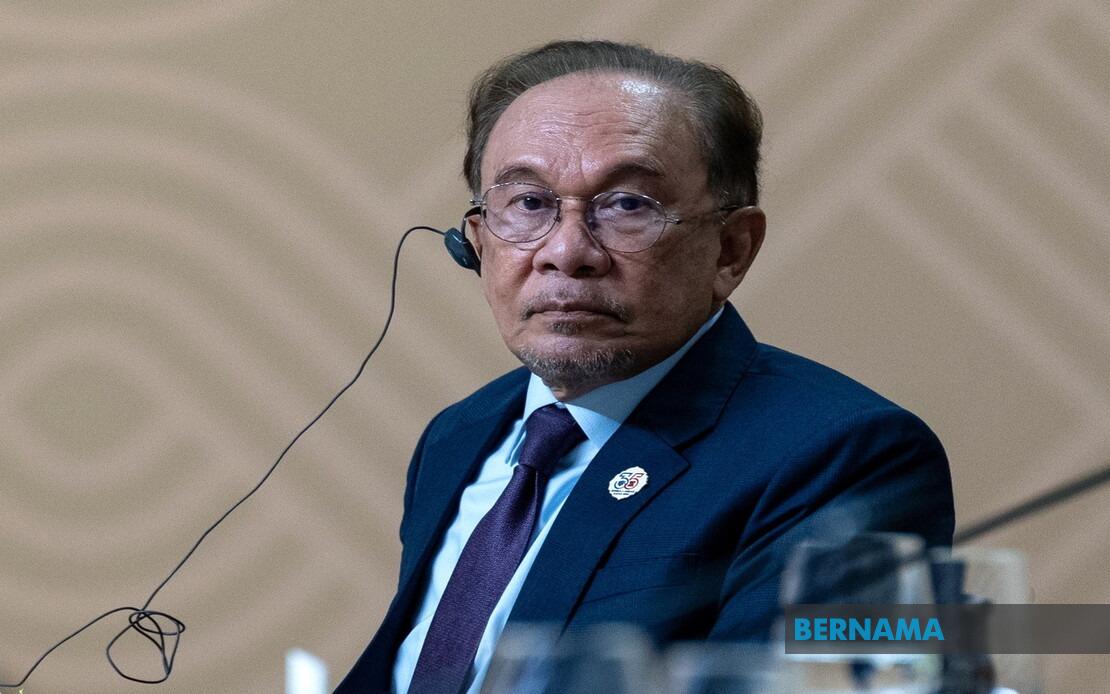
Malaysia's Prime Minister Datuk Seri Anwar Ibrahim has thrown his weight behind ongoing diplomatic efforts to broker peace between the United States and Iran, signalling that the region has meaningful grounds for hope despite the compressed timeframe for negotiations. Speaking after attending the 35th ASEAN-Russia Commemorative Summit in Kazan on Thursday, Anwar outlined his assessment that a memorandum of understanding between Washington and Tehran could fundamentally reshape the security landscape across West Asia and create pathways toward durable regional stability.
The Malaysian leader's optimism rests on intelligence gathered during high-level bilateral encounters with key stakeholders in the mediation process. Pakistan Prime Minister Shehbaz Sharif, who has emerged as a central intermediary in steering the talks forward, has briefed Anwar on substantive progress in the negotiating chambers. According to Anwar's account, Sharif has maintained deep involvement throughout each phase of the discussions, ensuring that momentum remains intact and that both parties understand the other's positions with sufficient clarity to find common ground.
Time constraints present a significant challenge to the diplomatic process. Both nations have acknowledged a 60-day window to finalize the comprehensive agreement, a deadline that Anwar characterised as compressed but not insurmountable. The Prime Minister appealed for international support and prayers for the negotiators, recognizing that the window for achieving consensus remains narrow. Yet his tone conveyed pragmatic confidence rather than resigned fatalism, suggesting that Malaysian officials believe the parties are genuinely edging toward breakthrough positions rather than remaining locked in fundamental disagreement.
Anwar's assessment was reinforced by parallel conversations he conducted with Russian President Vladimir Putin during their bilateral engagement at the Kazan summit. Putin apparently communicated equivalent optimism about the trajectory of the talks, signalling that Moscow—a significant power broker in Middle Eastern affairs—perceives authentic movement toward resolution rather than stalled negotiations. The convergence of positive signals from Pakistan, Russia, and Malaysia's own diplomatic channels appears to have solidified Anwar's conviction that the moment may represent a genuine inflection point in decades of US-Iran antagonism.
The Malaysian stance carries particular weight in Southeast Asian contexts, as the region has historically sought to maintain balanced diplomatic relationships across major powers while advocating for peaceful resolution of international disputes. Anwar's explicit backing for the US-Iran negotiations reflects ASEAN's broader commitment to multilateralism and the primacy of dialogue over confrontation. By investing diplomatic capital in publicly supporting these talks, Malaysia signals to the international community that regional powers view resolution of West Asian tensions as consequential to global stability and by extension to Southeast Asian security and prosperity.
However, Anwar notably hedged his optimism by acknowledging the unpredictability inherent in negotiations involving the Trump administration. The American President's previous withdrawals from international agreements and unpredictable negotiating style have created legitimate uncertainty about whether the current US government will ultimately ratify and implement any agreement reached. Anwar's measured language—avoiding absolute certainty while expressing general confidence—reflects this genuine ambivalence about whether political dynamics in Washington might derail otherwise promising diplomatic progress.
The 60-day timeline itself carries significant diplomatic implications. Such compressed schedules typically indicate that negotiators have already resolved major substantive issues and now focus on technical details, legal language, and procedural arrangements. The fact that both nations apparently accepted this deadline suggests that neither side believes the fundamental obstacles to agreement remain insurmountable. Yet the brevity of the window also creates pressure that could either accelerate final compromises or trigger breakdown if unforeseen obstacles emerge during the concluding phases.
For Malaysia and ASEAN more broadly, successful conclusion of a US-Iran accord would represent a substantive victory for the principle that regional conflicts should yield to multilateral diplomacy and mediation. It would demonstrate that even the most intractable disputes can be addressed through sustained dialogue when major powers demonstrate genuine commitment to peaceful resolution. Conversely, failure would reinforce perceptions that fundamental antagonisms in global politics remain resistant to diplomatic solutions, potentially emboldening other regional actors to pursue confrontational strategies rather than negotiated settlements.
The Malaysian government's public support also reflects Anwar's broader foreign policy approach, which emphasizes pragmatic engagement with multiple powers and careful calibration of Malaysia's diplomatic positioning to maximize regional influence while avoiding alignment with any single power bloc. By endorsing the US-Iran negotiations while maintaining dialogue with both Washington and Tehran, Malaysia positions itself as a responsible regional actor committed to stability and international law, thereby enhancing its voice in subsequent regional arrangements or diplomatic initiatives.
Looking forward, the success or failure of these negotiations will reverberate across Southeast Asia's strategic calculations. A successful agreement could reduce regional tensions, lower energy price volatility, and create space for enhanced regional cooperation on non-security issues. Alternatively, breakdown of talks could intensify Middle Eastern instability, potentially drawing in regional proxies and creating spillover effects that impact Asian security dynamics and trade routes critical to Southeast Asian prosperity.
Anwar's remarks underscore Malaysia's commitment to constructive engagement with international peace processes while acknowledging the genuine uncertainties that characterize negotiations between long-standing adversaries. His careful optimism, grounded in direct consultations with key mediators and major power representatives, reflects the mature diplomatic judgment that regional powers increasingly bring to international crises, balancing hope for breakthrough with realistic assessment of the obstacles that peace negotiations must overcome.

