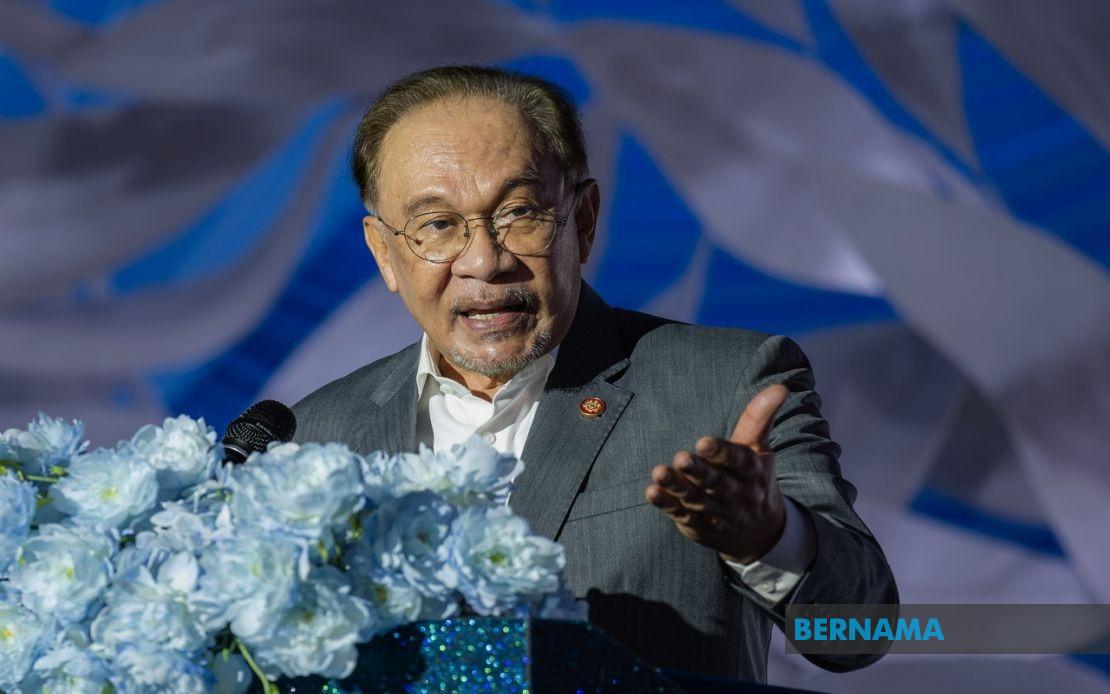
Malaysia will adopt a zero-tolerance approach towards the presence of Israeli nationals within its territory, Prime Minister Datuk Seri Anwar Ibrahim announced on July 15, reinforcing the nation's principled stance of not recognising the State of Israel. The declaration came as security agencies launched comprehensive investigations into allegations that individuals holding Israeli passports had attempted entry or remained in Malaysia, with some reportedly utilising dual citizenship documents to circumvent border controls.
Anwar's unequivocal stance reflects Malaysia's consistent diplomatic position on the Israeli-Palestinian question, a matter deeply embedded in the country's foreign policy identity since independence. The Prime Minister conveyed absolute resolve in enforcing this policy, stating that authorities would take immediate action against any confirmed Israeli presence. "We are investigating and we will not allow it. If there are any, action must be taken. If there are Israeli nationals, since we do not recognise Israel, they will be deported immediately," he told journalists in Kuala Lumpur.
The controversy erupted following social media allegations suggesting that foreign nationals with Israeli documentation had sought to enter Malaysia or were already present for unstated purposes. The situation gained particular attention when Johor's state government became involved, with Menteri Besar Datuk Onn Hafiz Ghazi requesting the Home Ministry and related agencies to scrutinise the operations of Network School in Forest City. Local authorities expressed concern that individuals may have utilised passports from alternative countries as part of a coordinated effort to enter Malaysia while obscuring their Israeli nationality.
The involvement of the Johor government added a territorial dimension to what might otherwise have remained a federal matter. Onn Hafiz indicated that the individuals in question allegedly participated in a specific programme, though the exact nature and objectives of their activities remained unclear from public disclosures. This local engagement signals that state-level authorities view the matter as sufficiently serious to warrant official intervention, potentially reflecting broader community concerns about unauthorised foreign operations within Malaysian jurisdiction.
Anwar delegated the responsibility for providing comprehensive explanations to Higher Education Minister Datuk Seri Dr Zambry Abdul Kadir, suggesting that educational institutions or academic programmes may have featured in the alleged incidents. This detail hints at the sophistication of whatever operation prompted official attention, as using educational frameworks could provide plausible cover for extended stays and institutional access. The allocation of investigative responsibility across multiple agencies—security services, the Home Ministry, and the Higher Education Ministry—indicates the cross-functional nature of the response.
Malaysia's non-recognition of Israel represents one of the Muslim-majority nation's defining foreign policy principles, consistently maintained across successive governments and regardless of domestic political transitions. This principled position carries significant weight among Malaysian citizens and throughout the broader Islamic world, serving as a cornerstone of the country's regional diplomacy and international relations strategy. For any government to appear compromising on this issue would invite substantial political backlash, making Anwar's emphatic public statement both a policy declaration and a political necessity.
The timing of these allegations and the Prime Minister's response occur within a broader regional context of evolving Middle Eastern geopolitics and shifting international alignments. Some neighbouring countries have recently normalised relations with Israel, creating diplomatic complexity for Malaysia, which has maintained its historical position. Anwar's forceful reaffirmation of Malaysia's policy may therefore serve partly to reassure stakeholders that the country will not follow regional trends toward normalisation, maintaining Malaysia's distinctive role as a vocal advocate for Palestinian causes.
From a practical enforcement perspective, the operation of such investigations presents genuine challenges for Malaysian border and security authorities. The use of dual citizenship documents complicates straightforward identification procedures, potentially requiring coordination with international partners and meticulous examination of travel documentation. The alleged involvement of educational institutions suggests that perpetrators may have attempted to exploit administrative frameworks and institutional trust, rather than attempting direct entry through conventional channels.
The broader implications for Malaysia extend beyond immediate enforcement actions. The incident highlights vulnerabilities within Malaysia's border management systems and raises questions about institutional oversight, particularly regarding educational establishments that may host foreign nationals. Enhanced vetting procedures and coordination protocols may emerge as necessary safeguards, particularly for programmes involving international participants or sensitive institutional access. These operational adjustments would complement the political messaging already delivered by senior leadership.
The involvement of social media in publicising these allegations demonstrates how information—whether verified or speculative—can rapidly mobilise official response mechanisms in contemporary politics. The speed with which federal and state authorities mobilised investigations illustrates the sensitivity surrounding Israeli-related matters in Malaysian political discourse, where public sentiment runs particularly strong. This dynamic creates incentives for thorough investigation regardless of the ultimate veracity of initial claims.
Moving forward, Malaysian officials will face pressure to demonstrate concrete results from these investigations and to outline preventive measures adopted to forestall similar incidents. Public confidence in the government's ability to protect national sovereignty and uphold stated policies depends on transparent communication about investigation outcomes and remedial steps. The Higher Education Ministry's pending statement will prove crucial in satisfying public expectations for accountability and clarity regarding institutional involvement.

