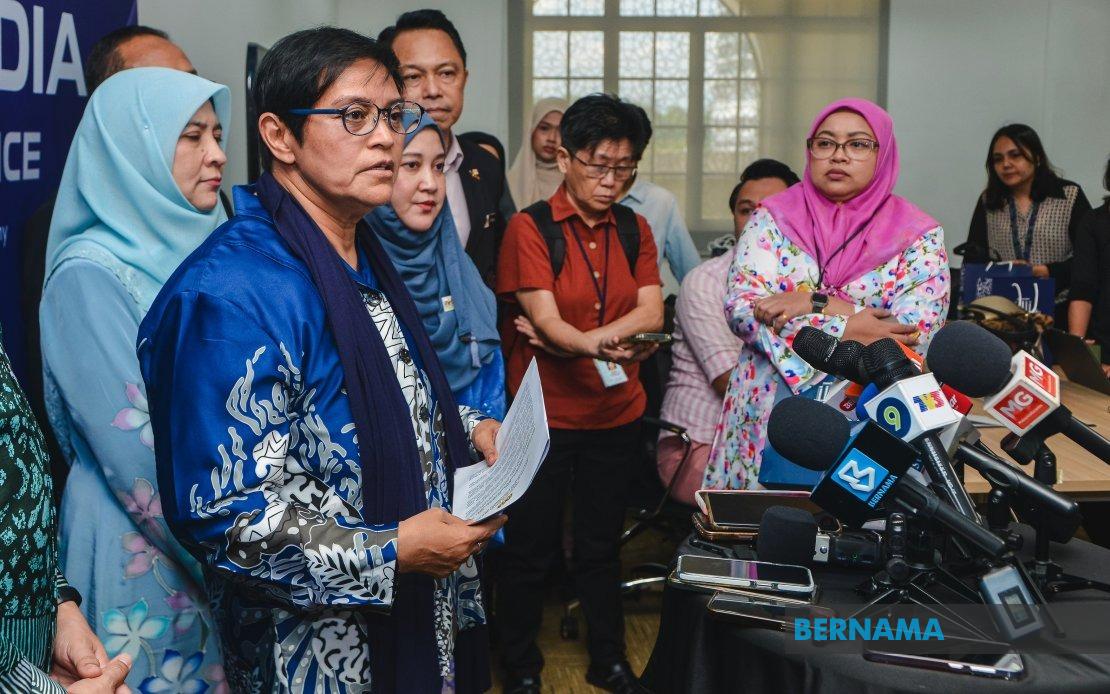
Malaysia's new Anti-Bullying Act 2026 represents a watershed moment in the country's approach to tackling youth misconduct, introducing a controversial legal framework that holds parents jointly liable for bullying acts committed by their children. Datuk Seri Azalina Othman Said, Minister in the Prime Minister's Department (Law and Institutional Reform), unveiled the landmark legislation alongside the formal inauguration of the Anti-Bullying Tribunal headquarters at the Asian International Arbitration Centre in Kuala Lumpur, signalling the government's determination to combat the mounting wave of bullying incidents across schools and online platforms.
The cornerstone of this legislative overhaul is the introduction of shared family responsibility, a departure from conventional criminal law principles that traditionally target only the individual offender. Under the new act, financial penalties including fines and related costs become binding obligations on the family unit rather than resting solely on the young perpetrator. This represents a significant expansion of parental accountability that goes beyond supervision and discipline into the realm of direct legal and financial culpability. The measure reflects growing concerns about the adequacy of existing frameworks in deterring bullying behaviour, particularly given the gravity of recent cases that have resulted in tragic outcomes.
Azalina explained that the inclusion of parental responsibility clauses fundamentally reshapes how accountability is distributed within families found to have enabled or failed to prevent bullying conduct. By imposing joint liability, the legislation aims to incentivise more active parental vigilance and intervention, creating financial and legal consequences that extend beyond the child perpetrator. This approach acknowledges the reality that family dynamics, parental oversight, and home environment significantly influence whether young people engage in bullying behaviour. The mechanism effectively transforms parents into stakeholders in their children's conduct, embedding legal responsibility throughout the family structure.
The urgency driving this legislative action stems from a documented surge in bullying cases and their devastating consequences. The government has documented incidents escalating to the point where young victims have lost their lives, galvanizing policymakers to implement stricter intervention measures. These cases have highlighted systemic gaps in existing protections, particularly regarding incidents occurring outside institutional settings where school authorities or hostel management have limited oversight. The tribunal framework addresses this vulnerability by allowing victims to lodge complaints directly without needing institutional intermediaries, democratising access to justice for bullied individuals regardless of where incidents occur.
The newly established Anti-Bullying Tribunal represents the institutional backbone of this enforcement mechanism, comprising 56 tribunal members selected for their expertise in legal matters and child-related specialisation. This deliberate composition ensures that cases are adjudicated by individuals possessing both juridical knowledge and understanding of adolescent psychology and development. The tribunal's independence from traditional court structures allows for more flexible, responsive proceedings tailored to the complexities of bullying cases, which often involve nuanced social dynamics that conventional criminal courts struggle to address effectively.
Operational flexibility has been embedded into the tribunal's design to enhance accessibility across Malaysia's diverse geography. Although headquartered at the AIAC in Kuala Lumpur, proceedings can occur throughout the country utilising schools, Legal Aid Department offices, and virtual platforms to accommodate witnesses and parties. This decentralised approach recognises that bullying victims and families may face significant barriers in travelling to centralised hearing locations. The tribunal has established six physical and virtual hearing zones nationwide by leveraging existing infrastructure under the Legal Affairs Division, Insolvency Department, Legal Aid Bureau, and unused courtroom facilities, demonstrating pragmatic resource optimisation.
The introduction of an online complaint portal further reduces friction in accessing the tribunal system, allowing affected parties to initiate cases without navigating bureaucratic channels or requiring physical presence at government offices. This technological integration addresses a critical gap in Malaysia's bullying intervention architecture, where victims previously faced substantial obstacles in formally reporting incidents. Digital accessibility particularly benefits rural and remote communities where institutional resources are sparse, and young people may face heightened vulnerability to bullying without adequate reporting mechanisms.
Azalina emphasised that the legislation seeks to fundamentally reshape societal perceptions of bullying as a serious matter rather than acceptable adolescent behaviour. By establishing formal legal recourse through the tribunal and attaching meaningful consequences including parental financial liability, the government aims to signal that bullying carries genuine consequences. This messaging is particularly critical given evidence suggesting that many young people, and indeed their parents, currently regard bullying as a normalised aspect of growing up rather than misconduct warranting intervention. The psychological and social impact of reframing bullying as legally and ethically unacceptable could substantially alter behavioural patterns across Malaysian schools.
The parental joint liability provision raises important questions about proportionality and fairness that Malaysian legal experts and civil society will likely scrutinise. Critics may argue that holding parents financially responsible for children's actions, particularly in cases involving teenagers with greater autonomy, represents an excessive expansion of parental culpability. However, proponents contend that shared financial responsibility creates powerful incentives for families to monitor their children's conduct and relationships, potentially preventing bullying before incidents escalate. The provision acknowledges that parental neglect or failure to intervene often enables bullying to persist.
For Malaysian schools and educational institutions, the Anti-Bullying Act 2026 signals a significant recalibration of responsibility and accountability. While schools retain obligations to maintain safe environments and report incidents, the tribunal framework provides alternative pathways when institutional mechanisms prove inadequate or when bullying occurs in non-institutional contexts. This division of responsibility potentially clarifies roles and reduces institutional liability while expanding the system's capacity to address bullying comprehensively. Educational leaders will need to familiarise staff and students with tribunal procedures and the implications of the new legal framework.
Regional implications extend beyond Malaysia's borders, as Southeast Asian nations grapple with similar bullying epidemics exacerbated by digital connectivity and social media. Malaysia's adoption of parental joint liability represents an experimental approach that regional counterparts will likely monitor closely. If the framework demonstrates effectiveness in reducing bullying incidents and improving outcomes for victims, neighbouring countries may consider comparable legislative mechanisms. Conversely, if implementation reveals unintended consequences or fairness concerns, the Malaysian experience will provide valuable lessons for regional policymaking.
The Anti-Bullying Tribunal's launch marks the transition from legislative intention to operational reality, determining whether the act's ambitious objectives materialise in practice. The government's investment in tribunal infrastructure, specialist appointment, and technological platforms demonstrates commitment to implementation. However, sustained effectiveness depends on institutional capacity, public awareness campaigns, and consistent application of parental liability provisions. As Malaysia's first cases proceed through the tribunal system over coming months, the legislation's impact on bullying rates, victim protection, and family accountability will become measurable, providing empirical evidence regarding the efficacy of this novel approach to shared legal responsibility.