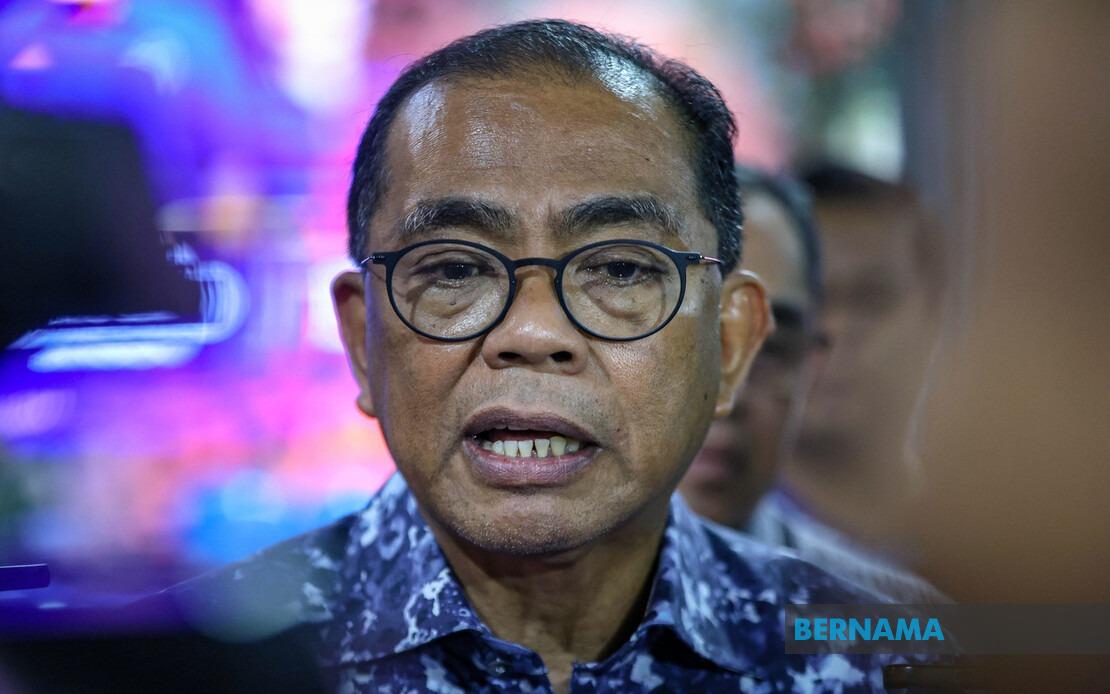
The Malaysian Defence Ministry is intensifying efforts to overhaul how military personnel progress through their careers and are compensated for their service, reflecting broader ambitions to align armed forces management with contemporary defence challenges. Minister Datuk Seri Mohamed Khaled Nordin outlined the comprehensive reform agenda at a gathering in Pasir Gudang, emphasising that the proposed changes address structural constraints that currently prevent qualified officers from advancing despite meeting performance standards. This initiative represents a direct response to the gap between military modernisation and personnel management systems, where ageing bureaucratic structures cannot accommodate the career expectations of a professional armed force.
The Defence Ministry has forwarded three interconnected reform proposals to the government and the Public Service Department (JPA) for formal consideration. These proposals focus on restructuring the military's organisational hierarchy, establishing clearer career progression mechanisms, and implementing revised allowance frameworks that recognise the unique demands of military service. According to Mohamed Khaled, the current staffing architecture creates artificial ceilings where officers with demonstrated competency and strong performance records cannot achieve promotion because higher-ranking positions remain unavailable. This structural constraint has potentially contributed to talent attrition within the forces, as ambitious personnel may seek advancement opportunities elsewhere in the public sector or private industry.
The necessity for staffing structure adjustments stems from a fundamental misalignment between individual merit and organisational opportunity. The minister explained that existing rank and grade designations often fail to reflect the actual responsibility levels and strategic importance of roles undertaken by military personnel. This disconnect between formal rank progression and substantive responsibilities creates frustration within the officer corps and undermines morale. By recalibrating the organisational structure, the Defence Ministry aims to establish a more rational correspondence between the hierarchical level, compensation grade, and the scope of duties assigned to military professionals. Such alignment would recognise the growing complexity of modern defence operations and the enhanced capabilities required from personnel managing sophisticated equipment and strategic initiatives.
Special allowance provisions for military personnel represent a significant component of the reform package, reflecting recognition that armed forces work differs fundamentally from civilian public service roles. The Defence Ministry has advocated for allowance frameworks that account for the unique operational requirements of military life, including extended professional development courses that can consume between nine months and two years. These extended training periods represent substantial investments of time that do not occur at comparable scales in civilian government roles, yet the current remuneration system fails to differentiate this burden. By introducing allowances calibrated to military-specific circumstances, the government could better compensate personnel for the distinctive sacrifices and professional demands their positions entail.
The Defence Ministry championed these reform initiatives following the release of the 2022 Defence White Paper, which identified talent management and staffing evolution as essential priorities for sustaining military effectiveness. Detailed proposals targeting improvements to the Public Service Remuneration System (SSPA) were submitted to JPA in March of the previous year, indicating that reform discussions have been ongoing for an extended period. This extended timeline suggests the complexity of implementing systemic changes across a substantial and hierarchically rigid organisation like the armed forces, where modifications to career pathways and remuneration structures carry implications across thousands of personnel and multiple service branches.
Crucially, the Defence Ministry has committed that any accelerated promotion mechanisms will maintain strict adherence to meritocratic principles rather than devolving into automatic advancement based on tenure or other criteria unrelated to performance. Mohamed Khaled emphasised that expedited promotion pathways must evaluate candidates through established processes that assess performance, competency, integrity, and organisational requirements comprehensively. This commitment to merit-based advancement distinguishes these reforms from arbitrary seniority systems that might reward longevity over capability. By preserving rigorous evaluation standards while streamlining promotion procedures, the reforms aim to achieve dual objectives: accelerating advancement for qualified officers while maintaining institutional quality and professional standards within the armed forces.
These Defence Ministry initiatives align directly with Prime Minister Datuk Seri Anwar Ibrahim's recent announcement regarding in-principle government agreement to simplify and accelerate promotion mechanisms for both Malaysian Armed Forces and Royal Malaysia Police personnel. The Prime Minister indicated that existing promotion processes for security forces had become unnecessarily prolonged compared to advancement mechanisms available within other public service sectors, creating competitive disadvantages in personnel retention. By bringing military and police promotion systems into closer alignment with broader public service schemes, the government aims to level the institutional playing field and prevent talented personnel from departing for ostensibly more accessible advancement pathways elsewhere in government. The Prime Minister indicated that comprehensive details regarding the new promotion mechanism will be unveiled during the Ambang Merdeka celebration at Stadium Merdeka, Kuala Lumpur on August 30.
The timing of these announcements signals broader governmental commitment to strengthening defence institutional capacity during a period of increasing regional security complexities and rising defence spending priorities. The government has committed to increasing the Defence Ministry's allocation under Budget 2027 specifically to enhance Malaysian Armed Forces operational capabilities and safeguard the welfare of security sector personnel more comprehensively. This budgetary commitment provides tangible financial backing for reform initiatives and signals that personnel welfare and modernisation remain genuine policy priorities rather than rhetorical gestures. Enhanced funding allocations facilitate implementation of structural reorganisation, allowance adjustments, and modernised career management systems that would otherwise prove fiscally prohibitive.
From a Southeast Asian perspective, Malaysia's defence reform efforts reflect regional trends toward professionalising military forces and improving personnel management systems. Across the Association of Southeast Asian Nations, defence establishments face similar challenges balancing modernised equipment procurement with appropriate personnel policies that retain talent and sustain institutional effectiveness. Countries including Indonesia, Thailand, and the Philippines have undertaken comparable military reform initiatives addressing career structures, compensation frameworks, and professional development pathways. Malaysia's Defence Ministry reforms position the nation within this regional context of modernising defence institutions, though the specific mechanisms and timelines vary across countries based on distinct institutional histories and budgetary constraints.
The proposed reforms carry significant implications for defence force effectiveness and national security capacity over coming decades. Military modernisation depends fundamentally on retaining experienced, capable personnel within institutional frameworks that provide professional growth opportunities and appropriate recognition of specialised responsibilities. If current structural constraints prevent qualified officers from advancing, the armed forces risk losing expertise and institutional memory to other sectors. Conversely, implementing reforms that enable merit-based progression through revamped organisational structures could enhance force cohesion, operational effectiveness, and long-term institutional stability. The Defence Ministry's comprehensive approach addressing structure, progression mechanisms, and remuneration simultaneously recognises these interconnected dimensions of military human resources management.
Implementation timelines for these extensive reforms remain uncertain despite ministerial advocacy for swift adoption. The Defence Ministry's submission of detailed proposals to JPA and broader government consideration suggests formal decision processes must conclude before implementation can commence. The August 30 announcement regarding promotion mechanism details may clarify specific implementation frameworks and timelines. Given the scale of proposed organisational restructuring and compensation system modifications, phased implementation rather than sudden wholesale transformation appears probable. Successful reform execution will require coordination across multiple government agencies, careful attention to fiscal implications, and sustained political commitment beyond the current ministerial term. The armed forces' personnel clearly await concrete policy outcomes from these ongoing reform discussions.

