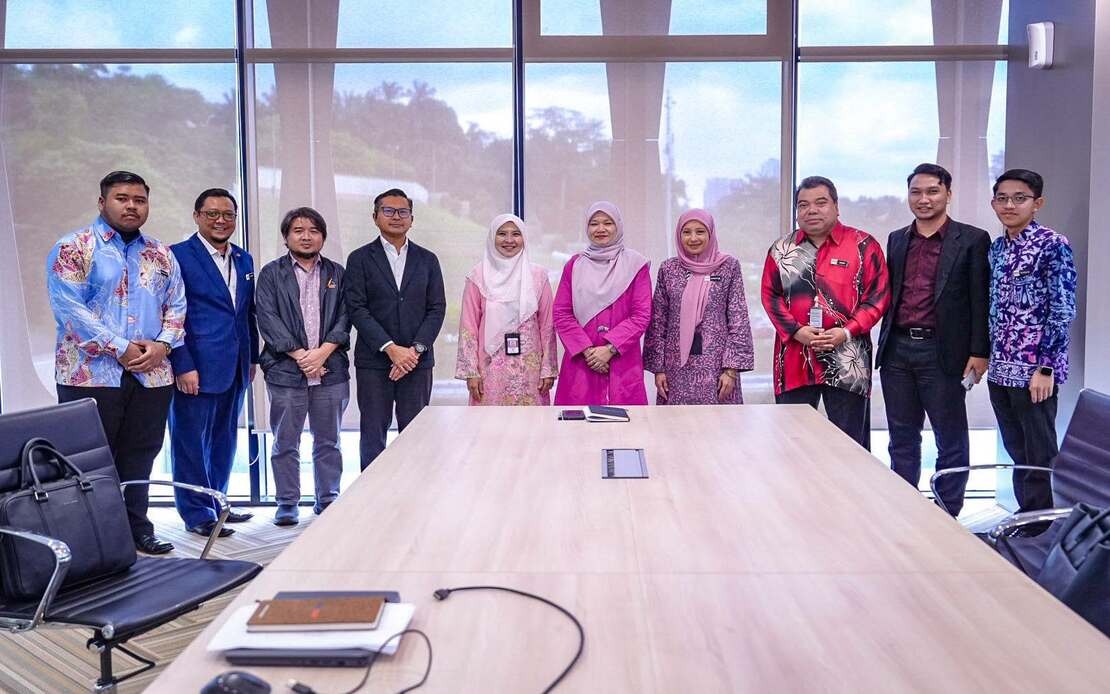
Malaysia's Education Ministry has committed to launching a coordinated advocacy campaign focused on child protection legislation, addressing concerns about bullying and sexual offences in educational settings. Education Minister Fadhlina Sidek announced the initiative following a strategic meeting with the Human Rights Commission of Malaysia (SUHAKAM), signalling a collaborative approach to safeguarding student welfare.
The campaign will centre on three key legislative frameworks: the Child Act 2001, which establishes comprehensive protections and rights for minors; the Anti-Bullying Act 2026, representing recent legislative efforts to combat school harassment and peer violence; and the Sexual Offences Against Children Act 2017, which addresses criminal offences targeting vulnerable young people. By institutionalising awareness of these laws across the education sector, the ministry aims to create a more informed community capable of identifying and preventing harm.
The meeting, attended by SUHAKAM's Children's Commissioner Dr Farah Nini Dusuki and Dr Mohd Al Adib Samuri, underscores growing recognition that child safety requires sustained institutional collaboration. Rather than operating in silos, Malaysia's human rights watchdog and education authorities are aligning efforts to ensure consistent messaging and implementation across schools nationwide. This partnership model reflects international best practices where governmental bodies and independent commissions jointly champion child welfare initiatives.
Bullying and sexual harassment emerged as priority concerns during discussions, reflecting ongoing challenges within Malaysian schools. These issues extend beyond individual incidents; they represent systemic patterns affecting student wellbeing, academic performance, and psychological development. The advocacy initiative recognises that addressing such problems requires not merely punitive measures but widespread community understanding of legal protections and reporting mechanisms available to affected children and their families.
For educators, administrators, and school staff, the forthcoming advocacy programme will provide essential guidance on implementing protective frameworks within institutional contexts. Training initiatives on recognising warning signs, proper reporting procedures, and supportive responses can substantially reduce underreporting of incidents. When teachers and administrators understand their legal obligations under these three statutes, they become more effective frontline defenders of student safety.
Parental awareness constitutes another critical dimension. Many Malaysian families remain unfamiliar with the specific legal protections their children possess or the statutory definitions of bullying and sexual offences. Advocacy campaigns reaching parents through school channels, community meetings, and multimedia platforms can equip families to reinforce safety messaging at home and escalate concerns through proper channels when necessary.
The initiative carries particular significance for vulnerable student populations, including those from low-income backgrounds, minority communities, and children with disabilities, who statistically experience higher rates of victimisation. Targeted advocacy ensuring these groups understand their rights and know how to access support services represents a equity-focused approach to child protection. When marginalised students recognise they have enforceable legal protections, barriers to reporting are substantially lowered.
Minister Fadhlina's public commitment to prioritising child rights and welfare, while reiterating that there will be no compromise on this principle, signals political backing essential for sustained implementation. Without ministerial leadership reinforcing the importance of these programmes, individual schools might deprioritise advocacy activities when facing competing demands. Clear messaging from the top ensures resources are allocated and compliance is monitored.
The involvement of SUHAKAM, an independent constitutional body, lends legitimacy and oversight capacity to the initiative. By partnering with the commission rather than proceeding unilaterally, the Education Ministry opens its implementation to independent scrutiny and benefits from SUHAKAM's expertise in human rights advocacy and investigation. Should compliance issues emerge, SUHAKAM's independent voice can maintain pressure for accountability.
Regionally, Malaysia's emphasis on child protection legislation aligns with broader Southeast Asian trends toward strengthening legal frameworks protecting minors. Countries including Thailand, Indonesia, and the Philippines have similarly enacted or strengthened anti-bullying and child sexual abuse legislation in recent years. Malaysia's advocacy campaign represents an opportunity to demonstrate implementation excellence that might inform neighbouring nations' approaches.
Successful rollout will require sustained funding, comprehensive training curricula, and mechanisms for evaluating programme effectiveness. Measuring whether advocacy has genuinely increased awareness, changed behaviour, and reduced harm requires establishing baseline data and tracking long-term outcomes. The ministry and SUHAKAM should transparently report on these metrics, enabling evidence-based refinement of approaches.
The campaign's ultimate test will manifest in changed practices within schools: more confident students reporting incidents, educators responding appropriately, perpetrators facing consequences, and institutional cultures increasingly intolerant of bullying and abuse. Advocacy alone proves insufficient without corresponding changes in school policies, professional training, and accountability mechanisms. The next phase should detail how advocacy connects to these implementation elements, ensuring the campaign translates rhetoric into genuine protection improvements for Malaysia's young people.

