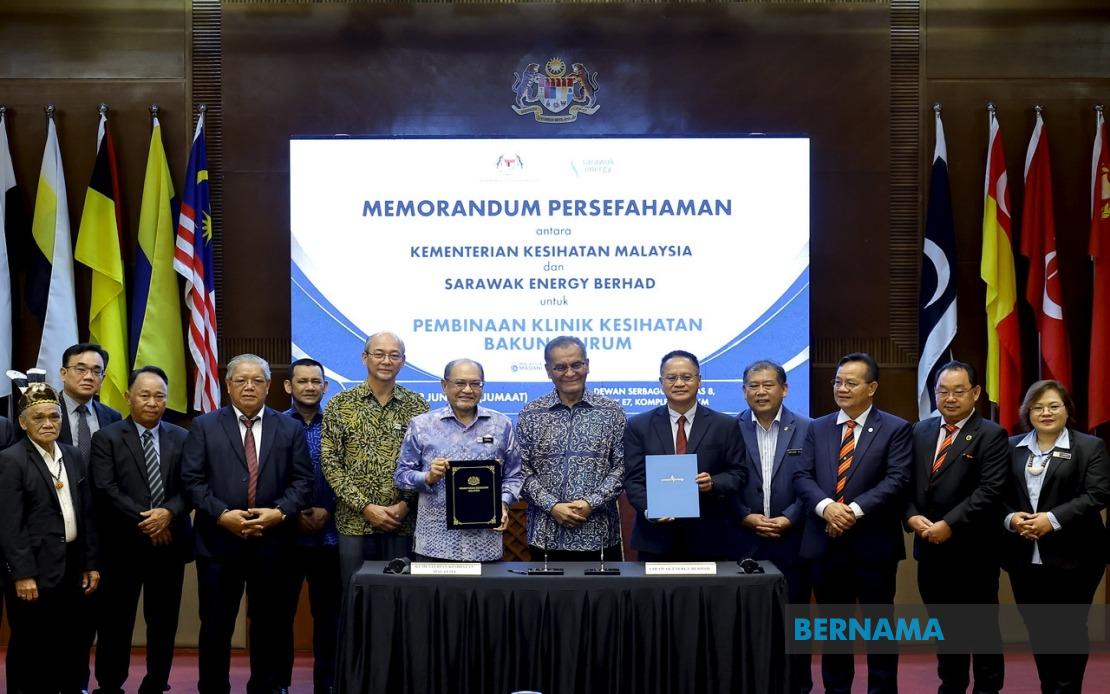
Malaysia's healthcare system faces mounting pressure to produce qualified medical specialists, with the Health Ministry now in the final push to dismantle administrative barriers that have slowed training programmes. Health Minister Datuk Seri Dr Dzulkefly Ahmad revealed on June 19 that several operational bottlenecks have been identified and targeted for resolution, aiming to accelerate the pathway for doctors aspiring to become specialists across various medical disciplines.
The urgency of this initiative reflects a troubling reality: Malaysia currently grapples with a documented shortage of approximately 11,000 medical specialists distributed across both public and private healthcare institutions. This significant gap has triggered alarm bells among healthcare administrators and policymakers concerned about the nation's capacity to deliver quality care as demand continues to climb. The shortfall represents a critical challenge to the Ministry's long-term vision of strengthening the healthcare infrastructure that Malaysians depend on for increasingly complex medical treatments.
Dr Dzulkefly acknowledged that bureaucratic constraints have historically complicated specialist development, yet emphasised that these obstacles are neither insurmountable nor permanent. The Ministry's strategy involves a carefully sequenced approach rather than immediate wholesale expansion. This measured methodology recognises that recruiting and training specialists demands careful coordination with broader healthcare infrastructure improvements, ensuring that new specialists enter an environment equipped to accommodate them.
Central to the Ministry's current strategy is the alignment of specialist workforce growth with the simultaneous development of medical facilities and technological capacity. Rather than rapidly increasing specialist numbers without corresponding improvements to hospitals and clinics, the Ministry has adopted a synchronised expansion plan. This approach prevents the scenario where newly trained specialists lack adequate facilities, equipment, or support systems to deliver optimal patient care. The phased implementation reflects realistic planning that balances aspirations for rapid growth against the practical constraints of healthcare system development.
In the interim period while comprehensive solutions are being finalised, the Ministry has activated a cluster crisis management system designed to maximise efficiency within existing resources. This framework encourages neighbouring hospitals and health clinics within defined geographical clusters to collaborate more intensively, creating networks that share expertise and personnel more flexibly. Through strategic redeployment and reorganisation of healthcare workers according to operational demands, clusters can redistribute their specialist capacity to address immediate pressure points.
The cluster approach represents pragmatic crisis management aimed at maintaining service continuity while longer-term workforce solutions take shape. By enabling greater mobility of specialists and support staff across hospital networks, the system can concentrate expert resources where they are most critically needed at any given time. This flexibility proves particularly valuable in addressing unexpected surges in demand or managing seasonal variations in patient loads across different medical specialities.
Dr Dzulkefly's comments come against the backdrop of growing acknowledgement that Malaysia's healthcare workforce faces considerable strain. Frontline medical professionals have repeatedly expressed concerns about burnout, overwhelming patient loads, and limited career progression opportunities. The specialist shortage compounds these challenges, as overworked generalists struggle to manage patients who require expert intervention. The Ministry recognises that healthcare service quality depends fundamentally on a motivated, adequately-staffed workforce capable of delivering care without being chronically overwhelmed.
The bureaucratic constraints cited by Dr Dzulkefly likely encompass multiple layers of administrative procedure governing specialist training. These may include lengthy approval processes for training programme expansion, complex credentialing requirements, limitations on scholarship or funding allocations, and regulatory frameworks governing specialist registration. Streamlining these processes requires coordination across multiple governmental departments and professional bodies, explaining why resolution has proceeded in stages rather than through sudden sweeping reform.
For Malaysian patients, the implications of this specialist shortage ripple across the entire healthcare landscape. Longer waiting times for specialist consultations have become commonplace in public hospitals, pushing many Malaysians toward private healthcare options that may be financially inaccessible to lower-income populations. In rural and less developed regions, specialist availability remains particularly acute, creating significant disparities in access to expert medical care based on geography and socioeconomic status.
The initiative also carries implications for Malaysia's broader health security and competitiveness. As Southeast Asian nations compete to attract and retain medical talent, insufficient specialist training capacity risks pushing ambitious Malaysian doctors toward overseas opportunities, representing a brain drain of human capital. Conversely, enhancing specialist development pathways can strengthen Malaysia's reputation as a regional medical hub and potentially attract regional patients seeking high-quality care.
Dr Dzulkefly's emphasis on phased, coordinated expansion reflects international best practices in healthcare workforce planning. Countries successfully navigating specialist workforce transitions typically avoid sudden increases divorced from infrastructure development, instead implementing carefully calibrated growth aligned with facility capacity. This approach allows time for quality assurance, ensures newly trained specialists receive adequate mentorship, and prevents destabilisation of existing healthcare services.
The Ministry's acknowledgement of workforce pressures signals political recognition that healthcare professionals require systemic support beyond simply increasing specialist numbers. Addressing burnout and retention requires attention to working conditions, remuneration competitiveness, career progression clarity, and work-life balance alongside specialist training expansion. These human factors often determine whether Malaysia can retain its trained specialists and prevent them from seeking opportunities in higher-income countries.
As Malaysia advances through these final stages of bureaucratic reform, success will require sustained commitment from multiple stakeholders. Hospital administrators must provide supportive environments for training programmes, professional colleges must adapt accreditation standards where appropriate, and funding bodies must allocate resources sufficient to actualise expansion plans. The pathway forward demands cooperation across healthcare's institutional complexity, but the stakes—ensuring Malaysians receive timely access to specialist expertise—justify the administrative effort involved.

