Parliament is moving to strengthen protections for witnesses who step out of Malaysia's witness protection scheme, with legislation now advancing through the legislative process that would guarantee transitional support upon their departure from the programme. The Witness Protection (Amendment) Bill 2026, which secured approval from the Dewan Rakyat on July 14, introduces a critical new measure: a one-time assistance package that participants can access once the Attorney General terminates their protection status. This represents a significant evolution in how the country manages the vulnerable period when witnesses transition from sheltered existence back into ordinary society.
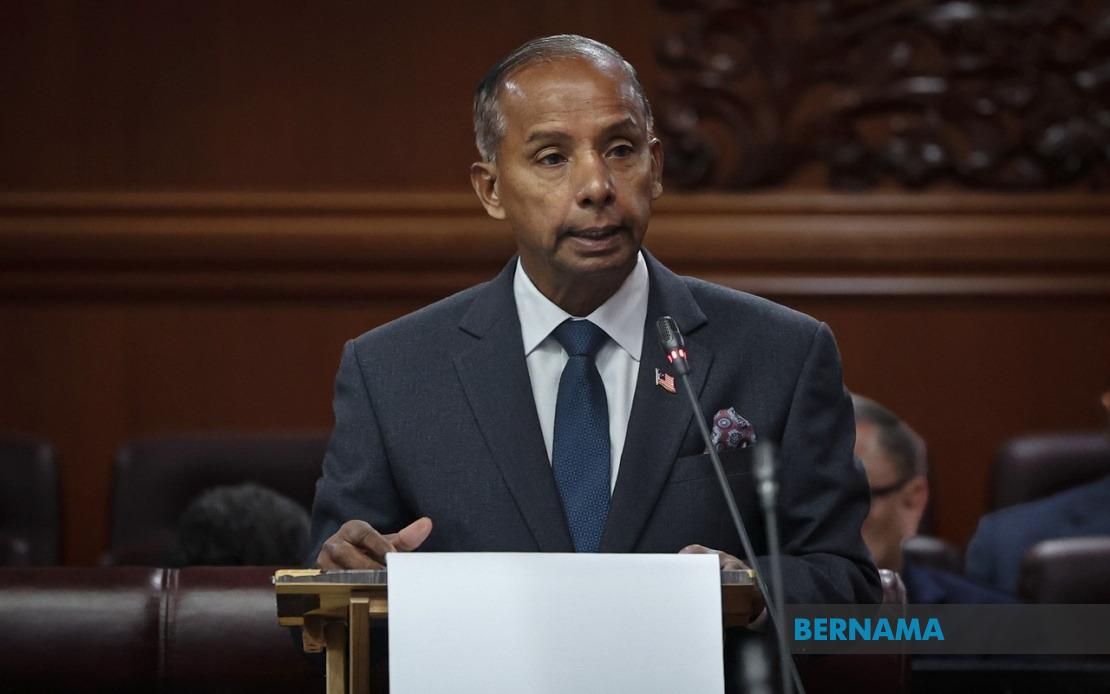
Deputy Minister in the Prime Minister's Department (Law and Institutional Reform) M. Kulasegaran explained the rationale during the Bill's second reading in the Dewan Negara on July 22, emphasising that the departure phase presents distinct challenges requiring targeted support. The proposed assistance extends beyond simple cash transfers, encompassing a range of practical aid mechanisms designed to facilitate genuine reintegration. These provisions cover housing expenses, the logistics and costs associated with moving from the witness protection facility to a new residence, and expenses related to transferring children to different educational institutions. Such comprehensive support acknowledges that witnesses leaving protection often face extraordinary circumstances—they must establish new lives, sometimes in unfamiliar locations, while managing the psychological and social disruption inherent in programme exit.
The scope of this assistance reflects a deliberate policy choice to help witnesses navigate what government officials term the transitional phase. However, Kulasegaran was explicit about the limitations: the package functions as a one-time intervention rather than an extended welfare arrangement. This distinction matters significantly for programme design and government accountability. Authorities are careful not to create an open-ended financial obligation that could extend indefinitely, yet they recognise that abandoning witnesses immediately upon programme termination would expose them to genuine hardship. The middle ground established by this amendment provides a practical bridge between the security of protection and the self-sufficiency expected of ordinary citizens.
The current legal framework governing witness protection in Malaysia, the Witness Protection Act 2009 (Act 696), contains a fundamental gap that this amendment seeks to address. Under the existing legislation, comprehensive support flows exclusively to individuals while enrolled in the programme. Once the Attorney General determines that protection is no longer necessary and formally terminates participation, that assistance mechanism simply ceases. There is no statutory framework for managing the immediate period after exit, leaving witnesses potentially vulnerable during a critical juncture. This omission has created practical difficulties for programme administrators and has raised questions about Malaysia's duty of care toward individuals who have undertaken significant personal risk by providing evidence in serious cases.
The Bill encompasses broader reforms beyond exit assistance, specifically empowering the director-general of the Protection Division within the Prime Minister's Department with expanded discretion to furnish whatever protection and assistance circumstances reasonably demand. This flexibility proves essential given the variable nature of threats witnesses face and the diverse geographical and professional contexts from which participants emerge. Some witnesses may require protection due to their involvement in organised crime prosecutions, others because they testified in corruption investigations affecting powerful figures, and still others because of high-profile criminal cases generating substantial public attention and potential vigilante interest. The amendment allows administrators to tailor responses to these distinct scenarios rather than applying rigid, one-size-fits-all protocols.
The legislative package passed by the Dewan Rakyat comprises six substantive clauses working together to strengthen multiple dimensions of the witness protection system. The cumulative effect targets three interconnected objectives: enhancing the safety of participating witnesses, improving their welfare during and after programme participation, and bolstering the physical infrastructure protecting them. These goals reflect lessons learned from the programme's operation over the past fifteen years and broader international best practice in witness protection regimes. Countries across Asia-Pacific have struggled with similar challenges, and Malaysia's refinement of its framework suggests engagement with comparative experience.
The implications of this amendment extend beyond individual witnesses to affect the broader criminal justice system's functionality. Prosecutors pursuing serious organised crime, corruption, and high-profile criminal matters often depend critically on insider testimony from individuals with direct knowledge of criminal activity. Without credible protection assurances, potential witnesses become reluctant to come forward, significantly hampering investigative and prosecutorial capacity. By extending the protection framework to cover the exit period, Malaysia signals sustained commitment to witnesses throughout their journey within the system. This incremental improvement in programme design may prove consequential for future cases requiring witness cooperation, particularly those targeting sophisticated criminal enterprises or high-level corruption.
For Malaysian readers and regional observers, this legislative development illuminates how the country approaches the practical challenges inherent in criminal justice reform. The amendment represents technocratic adjustment rather than dramatic overhaul, yet such incremental improvements often prove more durable and effective than wholesale structural reorganisation. The focus on the exit phase specifically addresses a known vulnerability point—the moment when formal protection ends and witnesses must reconstruct independent lives. Getting this transition right matters for both human welfare and institutional credibility.
The advancement of the Bill through Parliament reflects cross-party recognition that witness protection improvements merit priority attention. With the Dewan Rakyat having passed the legislation and the Dewan Negara now considering it, the framework appears positioned for relatively swift enactment. Once enacted, the amendment will require practical implementation through administrative procedures and resource allocation within the Protection Division. The effectiveness of the reform ultimately depends less on legislative language than on whether government agencies receive adequate funding and institutional capacity to deliver the promised assistance when witnesses exit the programme. This implementation challenge will determine whether the amendment becomes genuinely transformative for participant welfare or remains merely symbolic.

