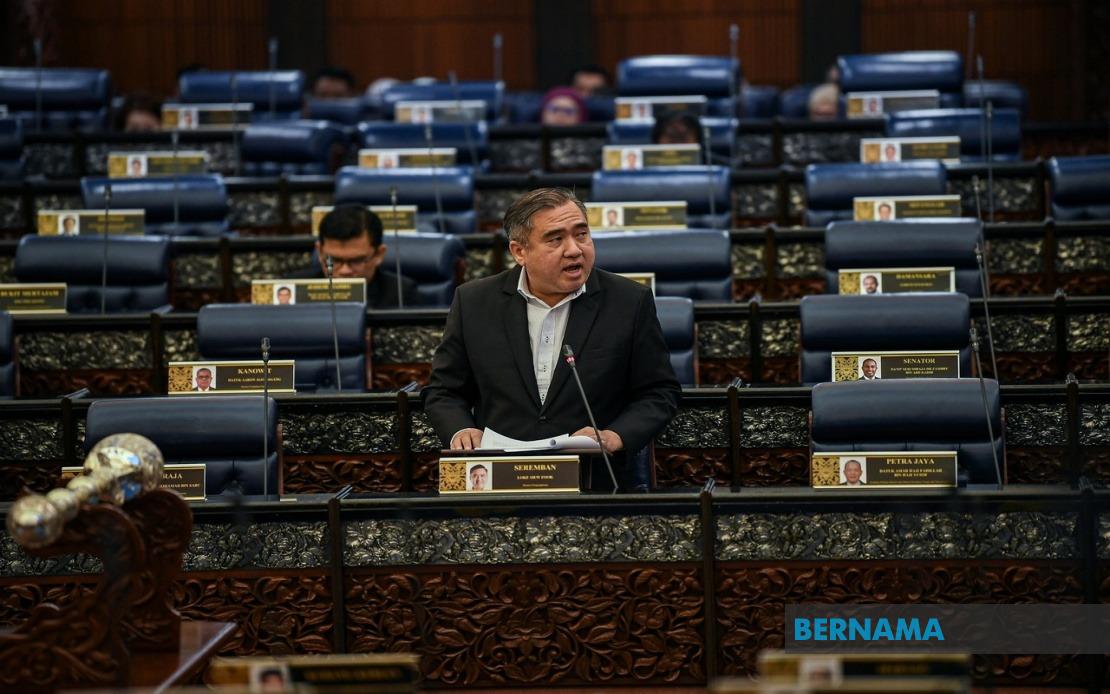
Malaysia is moving decisively to tackle the long-standing problem of illegal street racing with comprehensive new legislation that creates dedicated offences against high-speed driving on public roads. Transport Minister Anthony Loke tabled the Road Transport (Amendment) Bill 2025 in Parliament on June 23, signalling a government commitment to preventing dangerous racing behaviour before accidents and tragedies occur. The Bill introduces Section 42A as a standalone offence specifically targeting racing and speed trials conducted illegally on public thoroughfares, marking a significant evolution in how authorities can respond to this persistent safety threat.
Under the new framework, first-time offenders caught engaging in illegal racing or speed testing will face financial penalties ranging from RM2,000 to RM10,000, alongside potential imprisonment of up to two years or both sanctions combined. The escalated approach targets repeat offenders far more severely, with subsequent convictions carrying fines between RM5,000 and RM20,000 and custodial sentences reaching five years maximum. This graduated penalty structure reflects government recognition that habitual street racers represent a disproportionate public safety risk and require stronger deterrence mechanisms.
The legislative change addresses a significant enforcement gap that has hampered road safety efforts for years. Previously, authorities pursued illegal racing cases primarily under dangerous driving provisions within existing road transport legislation, creating prosecutorial complications. The absence of a specific racing offence meant that enforcement officers struggled to take preventive action unless an accident, injury or fatality had already occurred—a reactive rather than proactive approach that yielded avoidable tragedies. Minister Loke emphasised this limitation during his parliamentary address, highlighting how the new provision enables authorities to intervene at the earliest stages of illegal racing activity.
The practical implications for enforcement are substantial. Consider scenarios involving motorcyclists conducting impromptu speed competitions on urban or suburban roads, or drivers utilising public highways to test vehicle performance capabilities. Under current law, such activities remain difficult to prosecute unless tangible harm results. The new Section 42A eliminates this requirement, allowing police and road transport authorities to act decisively the moment racing behaviour is detected, regardless of whether collateral damage has materialised. This preventive approach aligns with contemporary road safety philosophy prioritised across Southeast Asia.
Beyond the racing-specific provisions, the Bill introduces Section 110B addressing obstruction and interference with enforcement operations—a critical supporting measure that protects the effectiveness of road policing. Individuals who hinder, assault, threaten or pursue enforcement officers' vehicles face penalties ranging from RM10,000 to RM50,000 in fines alongside one to five years imprisonment, or both. Additionally, those disseminating enforcement operation details to help offenders evade detection face identical consequences. Classifying these offences as arrestable means police can apprehend suspects immediately without requiring court warrants, substantially strengthening operational capacity.
The enforcement protection provisions carry particular significance in Malaysia's context, where informal networks sometimes coordinate to alert illegal racers about police activities. Recent years have witnessed growing sophistication in evasion tactics, including real-time communication systems and coordinated lookout protocols. By criminalising information-sharing that facilitates evasion, the amendment targets the infrastructure supporting illegal racing culture. The heightened penalties acknowledge that obstruction and interference represent serious threats to road safety operations and warrant treatment equivalent to the primary offences themselves.
Further amendments modernise the penalty framework more broadly. The Bill proposes revising minimum fines and compound limits for various offences, increasing baseline amounts from RM300 to RM500, though individual cases will continue receiving tailored sanctions reflecting specific circumstances. These adjustments take effect January 1, 2029, providing enforcement agencies adequate transition time for system updates. The maximum compounding authority permits graduated responses according to violation severity, settlement speed and procedural compliance—maintaining flexibility while raising deterrent effect through enhanced financial consequences.
The timing of this legislative initiative reflects mounting public concern about illegal street racing in Malaysian urban centres. Major cities including Kuala Lumpur have experienced recurring incidents involving high-speed pursuits, dangerous manoeuvres and occasionally tragic outcomes. Youth participation in organised racing communities represents a persistent challenge, with social media amplifying both the appeal and visibility of such activities. The government's legislative response acknowledges that existing statutory framework inadequacies have contributed to escalating behaviour, necessitating direct intervention through new specific offences.
Regional context amplifies the significance of Malaysia's action. Singapore and Thailand have implemented sophisticated anti-racing legislation, creating enforcement standards that Malaysian authorities increasingly face pressure to match. The ASEAN region confronts common challenges regarding youth engagement in illegal street racing, and Malaysia's comprehensive legislative approach positions it as a serious regional participant in addressing this cross-border safety issue. Neighbouring jurisdictions typically monitor such legislative developments, potentially influencing their own policy trajectories.
Implementation success will depend substantially on police training and public awareness initiatives. Enforcement officers require clear guidance on identifying illegal racing behaviour and documenting evidence in compliance with the new statutory framework. Public campaigns explaining the penalties and dangers prove essential for deterrence, particularly targeting younger demographics disproportionately attracted to street racing communities. Community engagement initiatives addressing underlying motivations—thrill-seeking, peer pressure, status-seeking—may complement enforcement through preventive social channels.
The Bill's comprehensive structure balances punitive responses with enforcement protection and penalty modernisation, demonstrating sophisticated legislative drafting. By creating dedicated racing offences while simultaneously protecting officers conducting operations and updating compound structures, the amendment addresses multiple enforcement dimensions simultaneously. This integrated approach recognises that effective road safety requires not merely stiff penalties but also robust operational capacity and contemporary financial deterrents.
Longer-term effectiveness assessment will require monitoring conviction data, repeat offence rates and actual road safety outcomes following implementation. Initial adoption periods typically reveal unanticipated challenges requiring procedural clarification or supplementary guidance. Stakeholder feedback from police, prosecutors, courts and community organisations will inform refinements ensuring legislation achieves intended deterrent effects without generating unintended consequences. Malaysia's investment in this legislative framework signals serious commitment to reducing illegal racing harm, though sustained effort across multiple policy domains remains essential for substantive road safety improvement.

