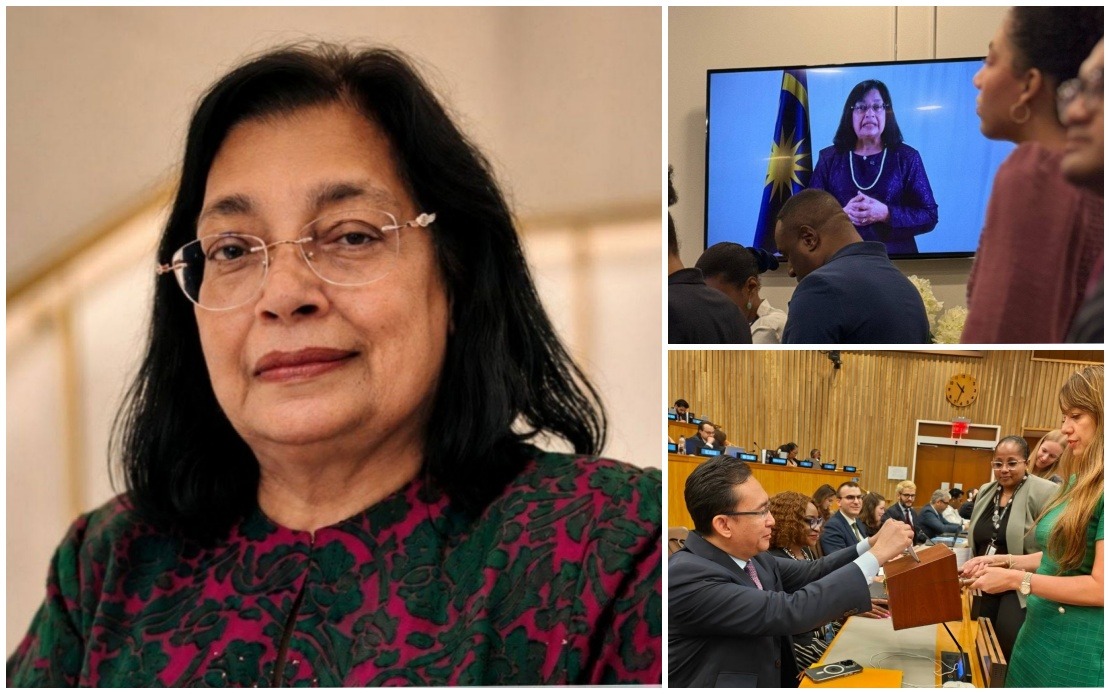
Datuk Yasmeen Muhamad Shariff has secured a seat on the United Nations Committee on the Rights of the Child for the 2027–2031 term following elections conducted on Tuesday at the UN Headquarters in New York. The Malaysian candidate garnered 136 votes from the 189 States Parties that participated in the ballot during the 21st Meeting of States Parties to the Convention on the Rights of the Child, positioning her as the highest vote-getter in the election. Her selection reinforces Malaysia's standing within multilateral institutions focused on child protection and represents recognition of her professional credentials in this specialised field.
This electoral success carries particular significance for Malaysia as it marks Yasmeen's second appointment to the committee. She previously served a full term from 2013 to 2017, demonstrating sustained confidence from the international community in her work and approach to child welfare matters. The repeat selection suggests her contributions during the previous mandate resonated positively with member states, encouraging them to support her re-nomination.
The Foreign Ministry's statement emphasised that Yasmeen's election reflects broader international acknowledgement of her expertise and commitment to advancing children's rights and welfare across borders. Operating as an independent expert rather than as a government representative, she will bring her personal professional standing to the committee's deliberations, lending authority to its recommendations and investigations.
As a committee member, Yasmeen will participate in work that centres on monitoring how nations implement their obligations under the Convention on the Rights of the Child, the most widely ratified human rights treaty globally. The committee engages in dialogue with governments about their progress, identifies gaps in protection, and promotes child-centred approaches to policymaking. Her involvement will extend to examining how countries address contemporary challenges affecting children, from digital safety and education access to protection from violence and exploitation.
The ministry characterised the outcome as validation of Malaysia's policy direction on child protection. The statement linked Yasmeen's election to the country's domestic agenda, highlighting Malaysia's legislative reforms, institutional development, and programmes designed to safeguard child development and opportunity. By framing the international appointment within this context, officials signalled that Malaysia views child welfare as a priority that extends beyond domestic boundaries into regional and global advocacy.
The international recognition also underscores Malaysia's continued engagement with the UN human rights system at a time when such participation carries diplomatic weight. In an era marked by competing geopolitical interests and divergent approaches to human rights implementation, member states' votes for specific candidates reflect judgments about expertise, impartiality, and likely effectiveness. Yasmeen's dominant vote share suggests she is perceived as someone capable of nuanced engagement with diverse governmental systems without sacrificing principled positions on child protection.
Yasmeen's appointment arrives as the global child rights agenda confronts expanding pressures. Digital technology, migration, climate displacement, armed conflict, and persistent poverty create evolving threats to child safety and development. The committee's mandate to address these issues through engagement with states requires members who understand both the framework of international law and the practical realities of implementation across varied contexts. Her prior experience positions her to contribute meaningfully to these discussions.
The Ministry of Women, Family and Community Development's role in supporting the candidature reflects institutional coordination across Malaysian government agencies. The statement's expression of appreciation signals recognition that international representation requires domestic alignment and backing. This coordination illustrates how countries pursue multilateral objectives through structured engagement, pooling resources and expertise to advance their broader policy commitments.
For Malaysia's regional position, the appointment carries implications for child welfare advocacy within Southeast Asia. As the region experiences rapid development, urbanisation, and demographic change, child protection frameworks remain under pressure. A Malaysian voice on the UN committee provides opportunity to draw attention to regional concerns, share best practices, and contribute to normative development tailored to Asian contexts.
Looking forward, Yasmeen's service will span a period of significant change in how child rights are understood and protected globally. The committee will likely grapple with emerging issues such as artificial intelligence's impact on children, pandemic-related learning losses, and mental health crises affecting youth populations. Her participation will help shape committee recommendations that influence state behaviour and inform international discourse on these issues.
The ministry's concluding statement emphasised Malaysia's commitment to the principle that no child should be left behind, echoing language from international development frameworks. This positioning reflects Malaysia's intention to be seen as a constructive participant in child protection efforts, aligned with global objectives while pursuing its own developmental and diplomatic interests. Yasmeen's appointment provides a platform for advancing both dimensions of Malaysia's engagement with child rights issues.

