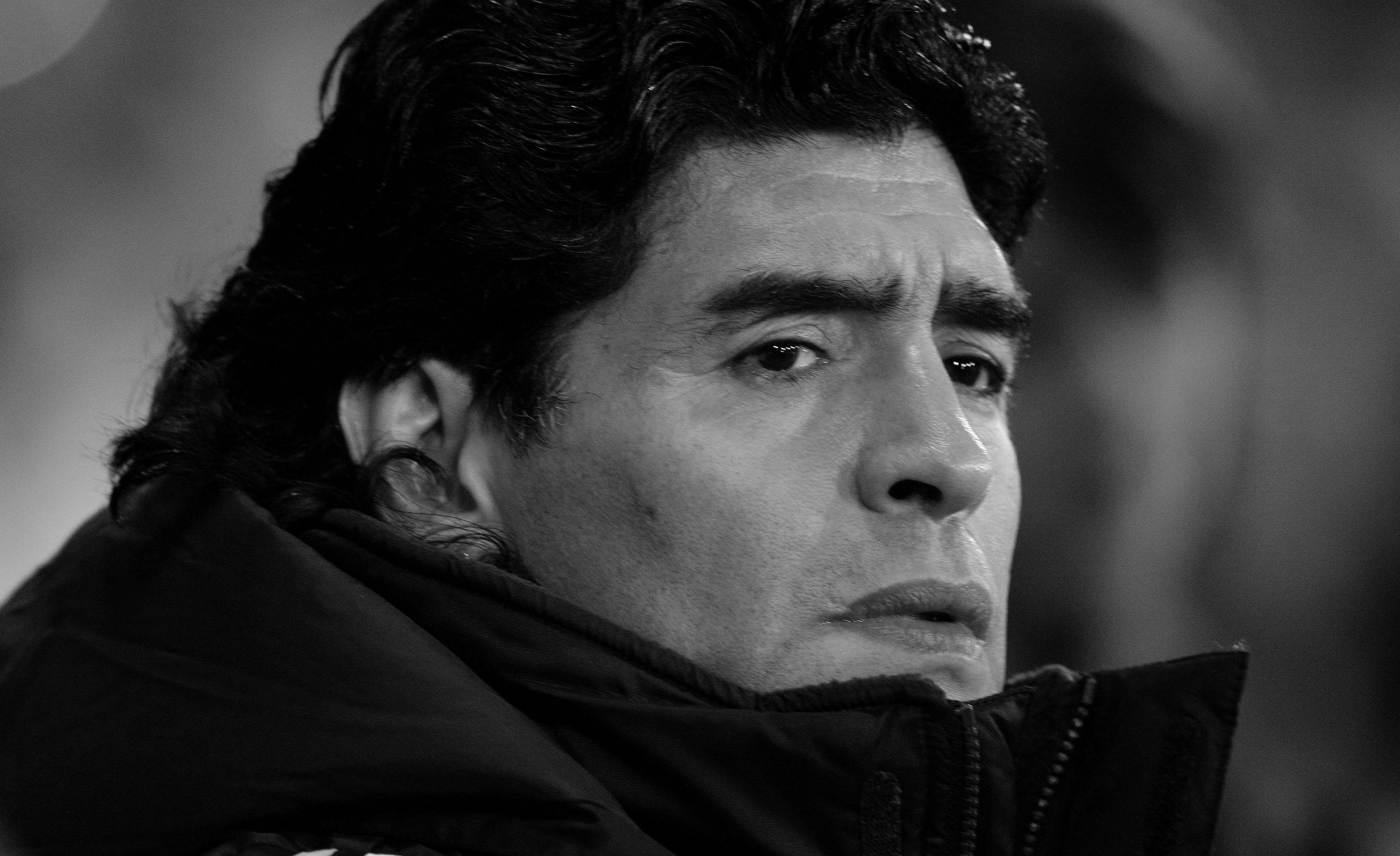
The trial examining circumstances surrounding the death of Argentine football icon Diego Maradona has ground to a halt after a significant administrative error involving critical medical evidence. According to reports carried by the German Press Agency, kidney test results presented during proceedings were incorrectly identified as belonging to Maradona himself, when they actually originated from his father, Diego Senior, who passed away in 2015. The court has ordered a one-week suspension of hearings while authorities retrieve and verify the correct medical documentation.
Maradona, regarded as one of football's greatest players and the architect of Argentina's 1986 World Cup triumph, died on November 25, 2020, from a heart attack. The circumstances surrounding his death have proven deeply controversial, spawning complex legal proceedings that have already encountered substantial procedural difficulties. The confusion over medical records represents yet another hurdle in a case that has tested the Argentine judicial system's capacity to handle high-profile, technically intricate matters.
Seven individuals face manslaughter charges in connection with Maradona's passing, including his personal physician Leopoldo Luque and his psychiatrist Agustina Cosachov. Also named are a psychologist, another doctor, a medical coordinator from his health insurance provider, and two caregivers who attended to him at home. All defendants have consistently denied the allegations levelled against them. Prosecutors contend that serious lapses occurred in the domestic care arrangements for the aging football legend, particularly following brain surgery he underwent several weeks before his fatal heart attack.
The current trial represents the second attempt to bring the case to adjudication. A preliminary trial collapsed entirely in May of the previous year after running for just 21 days, when the proceedings were declared null and void. The unexpected termination occurred after investigators discovered that one member of the three-judge panel had become involved in producing an unauthorised documentary about the trial itself, constituting a clear conflict of interest that rendered her continued participation untenable. This sequence of events demonstrated the challenging nature of prosecuting cases involving public figures of Maradona's stature, where media interest and transparency concerns intersect with legal propriety.
For Malaysian observers and Southeast Asian audiences, the case illustrates broader questions about accountability in high-profile deaths and the adequacy of oversight in medical care arrangements. Maradona's situation—an elderly patient with significant health vulnerabilities surrounded by multiple medical professionals and carers—reflects circumstances increasingly common across ageing populations throughout the region. The trial touches upon fundamental issues regarding who bears responsibility when vulnerable individuals receive substandard care, and what standards should apply to domestic medical arrangements rather than institutional settings.
The procedural mishaps afflicting these proceedings raise uncomfortable questions about the robustness of evidence-handling systems even in established judicial systems. The confusion between medical records belonging to different individuals suggests potential gaps in documentation protocols and verification procedures. Such administrative failures, when they occur in ordinary cases rather than high-profile ones, often pass unnoticed but potentially undermine the integrity of legal outcomes affecting ordinary citizens without the resources or publicity that surround Maradona's case.
Maradona's death triggered immediate scrutiny given his prominence and the circumstances of his final years. The football legend had struggled with various health challenges and substance-related difficulties throughout his life, and his final period was marked by medical interventions and intensive care arrangements. The question of whether those responsible for his day-to-day care exercised adequate professional diligence has occupied investigators and prosecutors throughout the extended legal process. The defendants maintain they provided appropriate medical attention within the constraints of their respective roles.
The administrative interruption necessitated by the misidentified records delays what was already a protracted legal proceeding. Argentine courts have faced considerable pressure regarding how thoroughly and fairly such cases proceed, given Maradona's status as a national treasure and the intense public interest in determining what transpired during his final months. The repeated setbacks and procedural complications have extended the timeline considerably, keeping the matter in public consciousness and raising questions about whether speedy resolution remains possible.
For the healthcare sector and medical professionals across Latin America and beyond, the trial carries implications regarding standards of care, documentation requirements, and professional accountability. The involvement of multiple practitioners—physicians, psychiatrists, psychologists, and care workers—in a single patient's management creates complex webs of shared responsibility that legal systems must navigate carefully. How courts ultimately attribute culpability, or absolve individuals, will likely influence how medical teams approach collaborative care arrangements for high-risk patients in future.
The coming weeks will determine whether the corrected medical records provide clarity or introduce further complications into an already fraught case. The court's determination to seize and verify authentic documentation suggests judicial commitment to establishing factual foundations despite previous setbacks. Whether this administrative reset allows the trial to progress more smoothly or whether further procedural challenges await remains uncertain, but the case continues to demonstrate how even formal legal systems can stumble when handling complex, high-profile matters involving deceased public figures and questions of professional medical responsibility.

