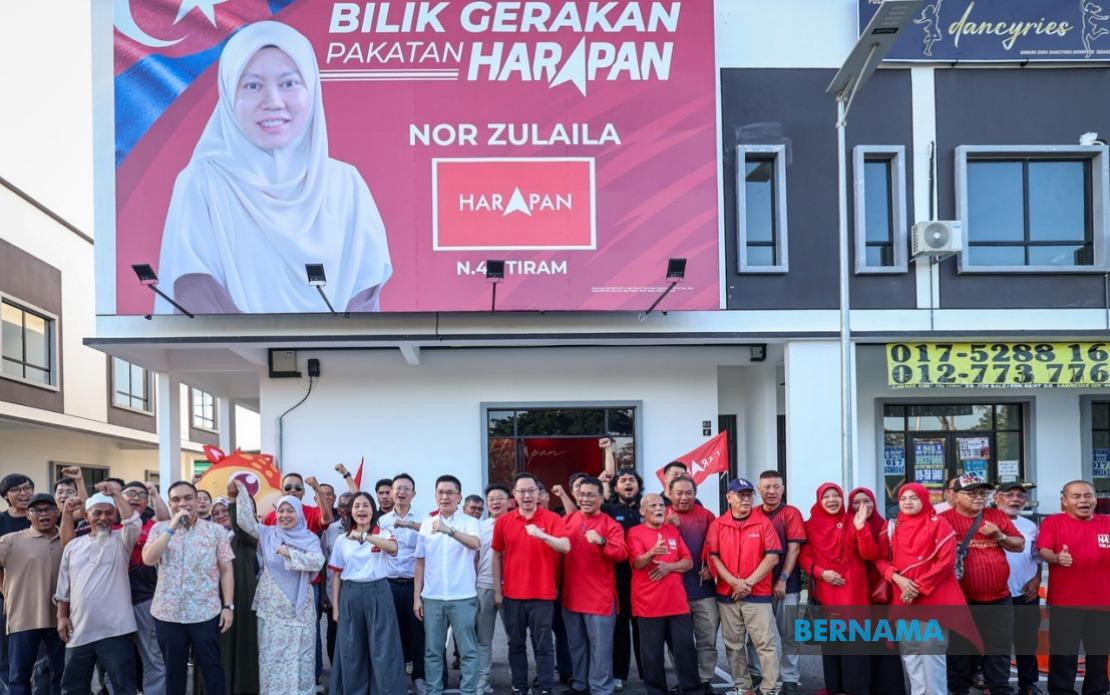
The Malaysian Communications and Multimedia Commission (MCMC) has been tasked with maintaining robust internet connectivity throughout the Johor state election campaign, according to Deputy Communications Minister Teo Nie Ching, who emphasised the critical role of reliable digital infrastructure in modern political engagement. Speaking at the Pakatan Harapan operations room launch for the N40 Tiram constituency in Pasir Gudang, Teo highlighted that seamless internet access underpins the ability of political parties to organise rallies effectively and communicate with voters during the crucial weeks ahead.
The directive comes as Malaysia's electoral process increasingly depends on digital platforms for voter engagement and campaign coordination. With nominations scheduled for June 27, early voting set for July 7, and polling day fixed for July 11, the window for campaign activities is compressed but intensive. Teo's instruction to MCMC reflects an understanding that technical failures or coverage gaps during peak campaign periods could hinder parties' capacity to reach voters and organise events, particularly in constituencies where large gatherings are anticipated.
MCMC's monitoring efforts will concentrate on areas expected to draw substantial crowds, recognising that major political rallies and campaign events place heightened demand on local infrastructure. This targeted approach acknowledges that not all constituencies face equivalent connectivity challenges, with rural and newly developed areas potentially requiring greater attention than established urban centres. By focusing resources on high-traffic locations, the commission can better allocate its monitoring capacity and respond swiftly to any disruptions that emerge.
For the Pakatan Harapan coalition, reliable internet connectivity serves multiple strategic functions beyond merely holding events. Digital platforms enable real-time communication with voters, facilitate fundraising and volunteer coordination, and allow rapid response to emerging campaign narratives. Teo, who holds the additional position of Johor DAP chief, stressed that the party has received encouraging responses from voters across the state. Ground reports indicate a substantial proportion of the electorate, including those working outside their home constituencies, intend to return to vote, suggesting high civic engagement levels that campaign infrastructure must accommodate.
Pakatan Harapan's strategic approach for the Johor election deliberately avoids designating any of its 17 contested seats as secure or uncontested territory. This philosophy reflects lessons learned from previous electoral cycles and the recognition that complacency in supposedly "safe" seats can prove costly. Instead, the coalition commits comparable resources and attention to each constituency, adapting campaign messaging and tactics to address local circumstances and voter concerns. This comprehensive strategy demands effective coordination mechanisms, including internet-enabled communication networks that allow headquarters to support and adjust grassroots activities in real time.
The emphasis on infrastructure readiness also extends to broader considerations about electoral integrity and accessibility. Voters increasingly expect to access candidate information, party platforms, and polling location details online. Election observation groups and media organisations rely on digital connectivity to monitor and report on campaign activities. Any significant internet disruptions could disadvantage smaller or less well-resourced parties and candidates, undermining the level playing field that electoral commissions seek to maintain.
MCMC's involvement in the election campaign process, though focused on technical infrastructure rather than political content, highlights the intersection of communications technology and democratic processes in contemporary Malaysia. The commission's responsibility to ensure neutral, non-partisan access to digital infrastructure is increasingly critical as political campaigns migrate online. In Johor's context, where constituencies range from urban Johor Bahru to more remote and rural areas, the challenge of delivering consistent service quality across diverse topographies and infrastructure conditions remains significant.
Teo's announcement occurs within the broader context of Malaysia's ongoing digital transformation. The nation has invested substantially in expanding broadband coverage and improving connectivity speeds, yet gaps remain in certain regions. Elections serve as stress tests for infrastructure, concentrating usage patterns and revealing weak points. The proactive monitoring approach outlined suggests that MCMC has identified lessons from previous electoral exercises and adjusted its protocols accordingly.
The timing of the announcement also reflects practical considerations about campaign preparation. By signalling in advance that connectivity monitoring will be prioritised, the government provides political parties with assurance that technical obstacles will not impede their activities. This transparency helps level the campaign environment and reduces perceptions that infrastructure challenges might disproportionately affect particular parties. Additionally, parties can plan their campaign calendars with greater confidence that scheduled events will proceed without preventable technical disruptions.
For Malaysian voters and broader Southeast Asian observers, the Johor election represents a significant test of the nation's political and technical systems. Johor's status as the country's second-largest state by population, combined with its economic significance and demographic diversity, means that campaign dynamics here often preview patterns seen in national-level contests. The attention paid to foundational infrastructure like internet connectivity signals a maturing approach to election management that recognises the interplay between technical systems and democratic participation.

