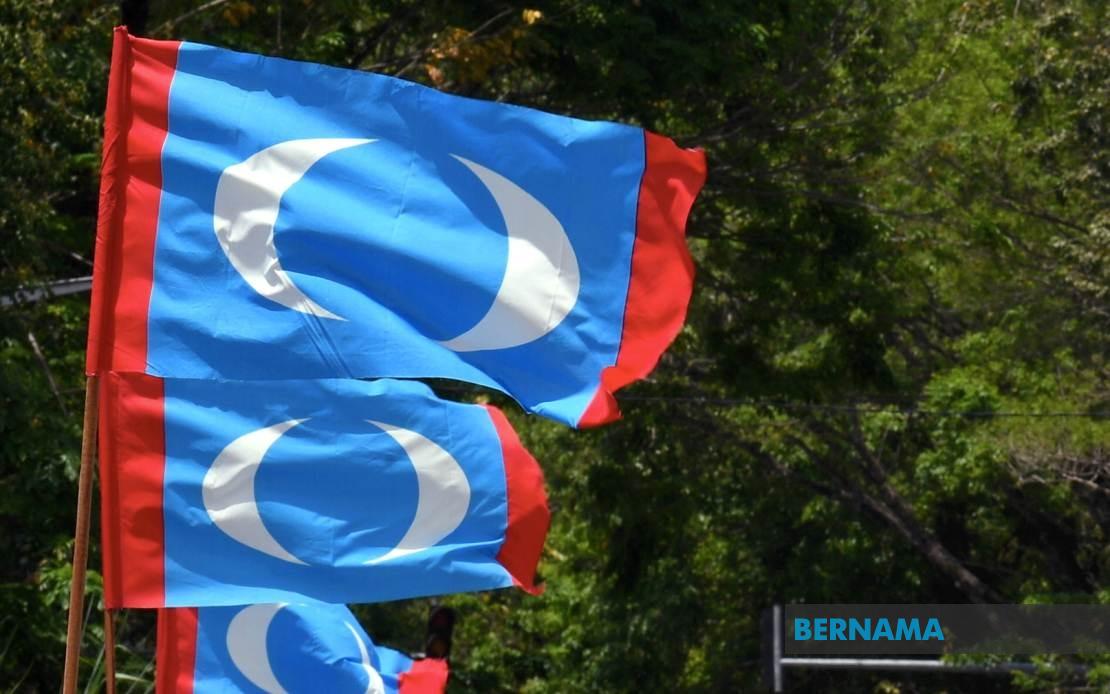
Parti Keadilan Rakyat (PKR) is framing the forthcoming Melaka state election as a crucial turning point in the party's trajectory, presenting it as an opportunity to reconstruct its standing among voters through substantive political engagement centred on ideas and concrete policy proposals. Adam Adli Abd Halim, who chairs the Melaka PKR Leadership Council, stressed that the party intends to operate from a position of humility rather than entitlement, acknowledging the electoral reality that forced a complete restart in the state.
The 2021 Melaka state election delivered a harsh verdict on PKR's performance. While Barisan Nasional secured commanding control with 21 of the 28 state assembly seats, the Pakatan Harapan coalition managed only five seats, leaving PKR without representation in the state legislature. Perikatan Nasional captured the remaining two seats. Despite this outcome, the subsequent Power Dynamic shifted somewhat when the state government was eventually structured to incorporate legislators from Pakatan Harapan through an arrangement mirroring the Unity Government framework established at the federal level, though the core executive remained dominated by BN appointees.
Adam Adli, who also holds the position of Deputy Higher Education Minister and represents Hang Tuah Jaya in the federal Parliament, articulated a fundamental strategic pivot for PKR's approach in the next election. Rather than relying on traditional mechanisms of political patronage and favour-dispensing, the party would emphasise a more mature political vocabulary centred on demonstrable benefits and implementable solutions. This represents a calculated shift in tone that acknowledges changing voter expectations, particularly among younger and more educated segments of the electorate who increasingly expect substantive policy platforms rather than personality-driven politics.
The challenge facing PKR in Melaka is substantial and unambiguous. Starting from zero state seats requires not merely winning elections but first convincing the public that the party merits a fresh opportunity. Adam Adli acknowledged this directly, emphasising that PKR must demonstrate to voters that the party remains a credible force capable of selecting candidates who would effectively represent constituents in the state assembly and advocate for their interests. This message appears designed to signal that the party has absorbed lessons from its previous failures and is preparing a more rigorous approach to candidate selection and campaign strategy.
Packers Harapan's broader positioning reflects lessons learned from experiences across multiple states. The coalition is deliberately adopting a posture of respect toward voters rather than presumption of support. Adam Adli articulated this as a commitment to refrain from categorising the public based on their existing political preferences, instead trusting in the judgment and analytical capacity of voters to assess competing platforms on their merits. This framing carries particular significance in a state like Melaka with its complex multicommunal composition, where appeals to specific demographic blocs risk alienating other constituencies.
The substantive policy agenda that PKR intends to emphasise addresses several interconnected challenges that resonate across Malaysian society. Cost of living pressures, youth unemployment and career prospects, educational access and quality, housing affordability, wage stagnation, and mental health support collectively represent the constellation of concerns animating public dissatisfaction across income levels and demographic groups. By positioning itself as responding to these material grievances rather than abstract political principles, PKR is attempting to recalibrate its political identity around bread-and-butter issues that affect daily life.
Adam Adli framed this policy-driven approach within PKR's existing ideological architecture, specifically the "Justice for All" concept that the party has promoted as its overarching vision. This framing attempts to bridge the gap between principled political positioning and practical governance by suggesting that substantive ideas and well-designed policies are themselves expressions of the justice principle. The emphasis on serving Melaka's multiracial society regardless of background represents both an inclusive political message and an implicit acknowledgment that electoral success requires expanding PKR's appeal beyond its traditional support bases.
The timing of the party's strategic recalibration is fortified by the hosting of PKR's 2026 National Congress in Melaka, scheduled for August 13 to 16 at the Melaka International Trade Centre in Ayer Keroh. Prime Minister Datuk Seri Anwar Ibrahim, who also serves as PKR president, is scheduled to officiate the opening on August 15. This convergence of party congress and state election preparation allows PKR to consolidate messaging and potentially reshape party structures and candidate pipelines with the Melaka contest as immediate context. The national platform provided by the congress offers opportunity for the party to articulate its broader strategic direction while simultaneously focusing energy on the state-level challenge.
The state government's mandate expires on December 31, creating a defined timeline that adds urgency to PKR's preparation efforts. This deadline shapes both the electoral calendar and the window for the party to generate momentum through the congress and subsequent campaign period. Unlike situations where opposition parties can operate on extended timelines, PKR must demonstrate rapid progress in regaining public credibility within a compressed timeframe.
Adam Adli's presentation of PKR's position carries implications beyond Melaka itself. The party's willingness to operate from a position of electoral deficit while consciously rejecting patronage-based politics represents a philosophical statement about how Malaysian opposition parties should reposition themselves in the current political environment. Whether PKR can translate this rhetorical commitment into effective campaign execution and candidate recruitment remains an open question, but the strategic clarity evident in Adam Adli's statements suggests serious internal reckoning with the 2021 failure and determination to chart a different course.

