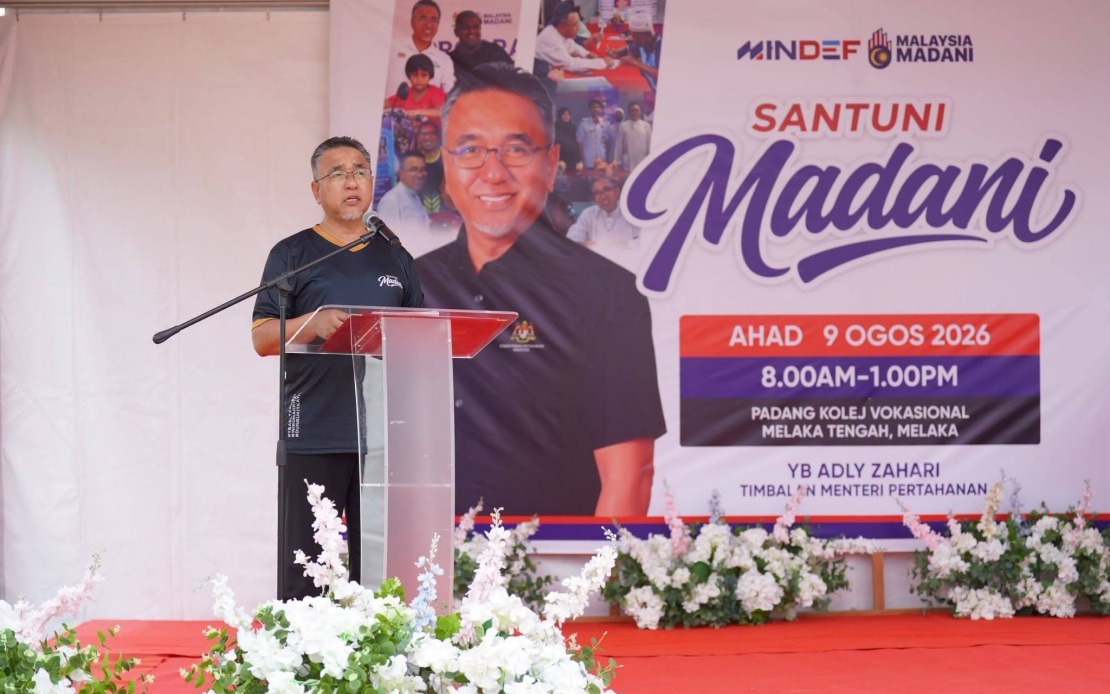
The Melaka chapter of Pakatan Harapan has signalled a pragmatic approach to the forthcoming state election by declaring itself willing to engage in political negotiations with various parties, though formal agreements remain unsigned. Speaking at an official event in Melaka Tengah, state chairman Adly Zahari emphasised that the coalition remains flexible on the structure and scope of any cooperative arrangements, even as internal preparations advance within PH's own ranks.
Two rounds of internal discussions have already taken place to evaluate the coalition's electoral viability and positioning in the state. However, Adly stressed that no decisive conclusions have emerged from these preliminary assessments, and the party has deliberately avoided rushing into commitments that would constrain future strategic options. This measured stance reflects broader calculations about the political landscape in Melaka, where several variables remain unresolved.
The coalition's openness extends beyond its traditional alliance partners. Adly indicated that PH would entertain proposals from any party seeking dialogue, provided that prospective partners demonstrate alignment with Malaysia MADANI principles and shared governance philosophies. This framing suggests that ideological compatibility, rather than blanket partisan loyalty, would serve as the primary criterion for evaluating potential cooperation arrangements.
Notably, Melaka PH has yet to initiate formal discussions with Barisan Nasional, despite both coalitions' participation in the broader Unity Government at federal level. This absence of direct engagement at the state level underscores the distinct dynamics that characterise Melaka's political environment compared with other Malaysian states. The state's competitive terrain and demographic composition create unique considerations that cannot be simply transposed from federal-level arrangements or the experiences of neighbouring jurisdictions.
On seat targets, the coalition has adopted an ambitious but grounded outlook. Currently holding five seats out of the state assembly's 28 total, PH leadership believes significant expansion is achievable. Adly highlighted three parliamentary constituencies—Alor Gajah, Kota Melaka and Hang Tuah Jaya—where the coalition secured victories in federal elections and now enjoys established organisational presence. These represent the party's core strongholds and primary focus for seat multiplication.
Beyond these secured constituencies, PH identifies three additional state areas—Tangga Batu, Masjid Tanah and Jasin—as presenting genuine opportunities for breakthrough performances. This geographical expansion strategy reflects confidence in the coalition's ground machinery and voter reception across diverse communities in these regions. Whether this optimism translates into actual electoral gains will depend considerably on the final shape of coalition arrangements and campaign intensity.
The approach articulated by PKR's state leadership council acting chairman Adam Adli Abd Halim complements this broader narrative. He acknowledged Melaka's distinctive political character, arguing that straightforward application of Unity Government templates adopted elsewhere would prove insufficient. Ongoing informal communications with Barisan Nasional occur at various levels, yet these remain unofficial and exploratory rather than constituting formal negotiation frameworks.
Adli's emphasis on PH state assemblymen maintaining focus on public service and constituency work reflects an attempt to dampen excessive political speculation that might destabilise the coalition or create unnecessary friction with potential partners. This disciplined approach suggests PH strategists recognise that prolonged public wrangling over seat allocations could undermine their electoral brand and alienate fence-sitting voters.
The timing of PH's strategic repositioning carries significance for Malaysian politics broadly. Unity Government experiments at state level have achieved mixed results, with each state presenting distinct coalitional mathematics and partnership possibilities. Melaka's situation differs markedly from Selangor, Penang or Terengganu, where PH maintains stronger entrenchment or where cooperation patterns have already crystallised. The state thus represents something of a laboratory for how federal-level coalition partners might recalibrate relationships when contesting subnational elections.
For Malaysian voters tracking coalition politics, Melaka's trajectory illuminates broader tensions within the Unity Government framework. While federal agreements emphasise cooperation and shared governance objectives, state-level realities often demand flexibility regarding partner selection and seat division. PH's cautious openness to negotiations reflects recognition that rigid adherence to federal formulae could handicap state-level performance.
The coming weeks will reveal whether these preliminary discussions yield concrete arrangements. The willingness expressed by PH leadership provides negotiating space for various configurations, but converting expressed openness into actual coalition agreements requires alignment on concrete details including seat allocations, candidate endorsements and campaign coordination mechanisms. These granular matters frequently prove more contentious than broad statements of principle.

