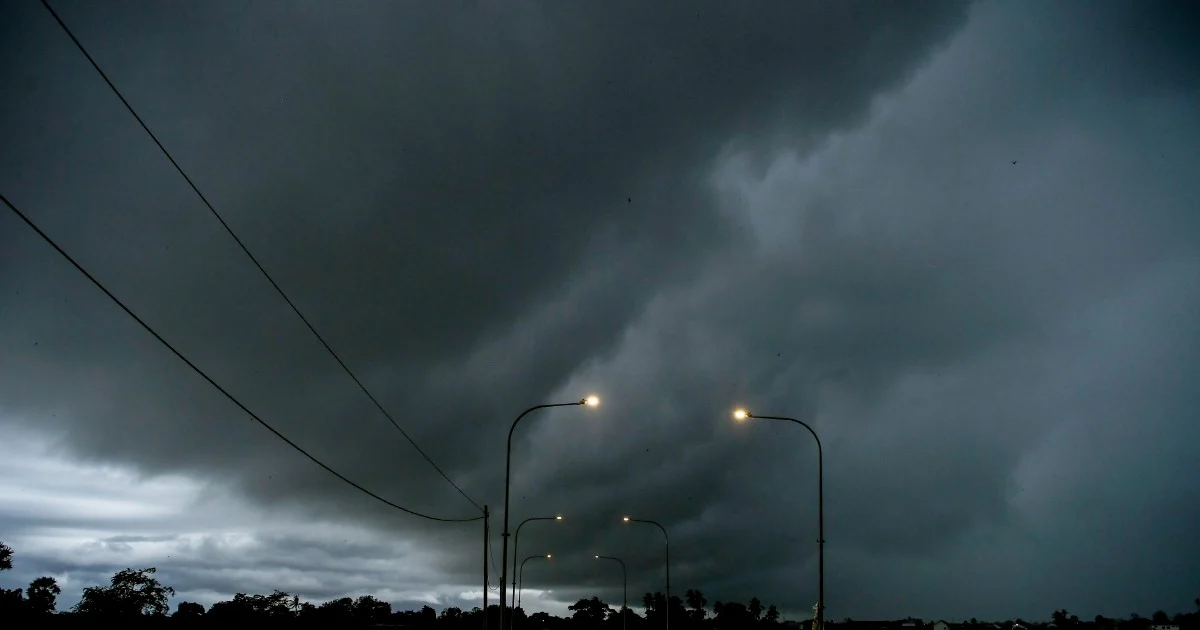
The Malaysian Meteorological Department has activated a nationwide weather alert, cautioning the public about dangerous atmospheric conditions expected to sweep across the peninsula and East Malaysia throughout the remainder of today. The warning encompasses thunderstorms paired with substantial precipitation and gusty winds, creating potential hazards for commuters, outdoor activities, and infrastructure across affected regions.
The advisory from MetMalaysia represents a standard but serious precaution issued when meteorological models detect convergence patterns or moisture-laden systems capable of generating severe convective weather. Such warnings serve to prepare residents and authorities for rapid deterioration in visibility, slippery road surfaces, and possible flash-flood scenarios in low-lying areas. The specificity of the 5pm cutoff indicates that forecasters expect the system's influence to diminish beyond that timeframe, though localised pockets of activity may persist.
For residents in Peninsular Malaysia, the implications are particularly significant given the region's extensive transportation networks and population density. Thunderstorms can dramatically reduce visibility on major expressways, complicating evening rush-hour travel during what is typically the busiest commuting period. Drivers are advised to exercise heightened caution, reduce speed, and maintain greater following distances from other vehicles. Public transport operators may experience minor service disruptions if lightning activity forces temporary suspensions, a precautionary measure standard across the region's rail and bus networks.
The strong winds component of this warning warrants particular attention from those working or residing in high-rise buildings or near construction sites. Loose outdoor items, makeshift structures, and overhead installations should be secured or assessed before conditions deteriorate. Coastal areas and elevated regions typically experience the most intense wind gusts during such systems, occasionally reaching speeds capable of causing minor structural damage or uprooting weak vegetation. Boat operators and maritime users should delay non-essential voyages until conditions stabilise.
Sabah and Sarawak, despite their tropical climate and regular afternoon thunderstorm activity, remain subject to the same warning framework. These states experience a distinct advantage in monsoon-related flooding risks due to their geographical exposure and topography, making early warnings particularly valuable for communities in flood-prone valley settlements and riverside communities. Agricultural activities, particularly those involving open-field operations or harvesting schedules, may require postponement or adjustment based on ground conditions and continued rainfall intensity.
The heavy rain component carries implications extending beyond the immediate warning period. Saturated ground conditions in areas receiving substantial accumulated rainfall can persist for hours or days, delaying outdoor construction work, agricultural operations, and recreational activities. Urban drainage systems in cities like Kuala Lumpur, Petaling Jaya, and Subang may approach capacity if rainfall rates exceed design specifications, though modern infrastructure improvements have substantially reduced localised flooding frequency compared to previous decades.
The timing of this alert during typical business hours means that many Malaysians will experience the worst conditions during their commute home or while still at workplaces. Employers and institutions are encouraged to monitor conditions closely and consider flexible dismissal arrangements if weather deteriorates rapidly. Schools and childcare facilities should ensure adequate supervision of outdoor areas and adjust schedules if conditions warrant precautions. Parents collecting children from educational institutions are advised to allow extra travel time and avoid rush-hour peak periods if possible.
From a climate perspective, the occurrence of such thunderstorm systems reflects Malaysia's position within the inter-monsoon transition periods, when atmospheric instability peaks and convergence zones become more pronounced. The Southeast Asian region's consistent warm sea surface temperatures and moisture availability ensure year-round thunderstorm potential, though particular seasons—notably March to May and September to November—demonstrate elevated frequency. This particular alert, therefore, aligns with typical seasonal expectations rather than unusual meteorological anomalies.
MetMalaysia continues monitoring atmospheric conditions through its network of automated weather stations, radar systems, and satellite observations distributed across the country. Real-time updates to the warning status remain available through the department's official website and mobile applications, which have become increasingly integral to Malaysian weather awareness and preparedness. Residents should check these official channels periodically rather than relying on informal social media reports, which frequently contain inaccuracies or exaggerations of actual weather severity.
The broader implications of such warnings extend to disaster management agencies and civil defence authorities, which maintain standby operations during inclement weather alerts. These organisations typically increase staff availability and coordinate with local government units to respond rapidly to weather-related emergencies including flooding, landslides, or structural damage. The period until 5pm, therefore, represents a heightened state of readiness across multiple government sectors, ensuring rapid response capability should serious incidents occur.
For businesses and service providers, thunderstorm warnings necessitate contingency planning, particularly for sectors dependent on continuous operations or vulnerable to weather disruption. Logistics companies managing delivery schedules, outdoor retailers managing customer experiences, and utility companies managing infrastructure resilience all must factor weather alerts into operational decision-making. Financial markets and transport hubs similarly adjust procedures to accommodate potential disruptions, demonstrating the far-reaching ripple effects of atmospheric instability across the broader economy.
As evening approaches, residents should remain weather-aware and prepared to respond quickly to changing conditions. Keeping emergency contact numbers accessible, ensuring adequate lighting availability, and maintaining updated information through official meteorological sources represent sensible precautions during any severe weather event. Following MetMalaysia's guidance and exercising sound judgment regarding outdoor activities during the warning period will minimise risks and contribute to community safety across Malaysia.

