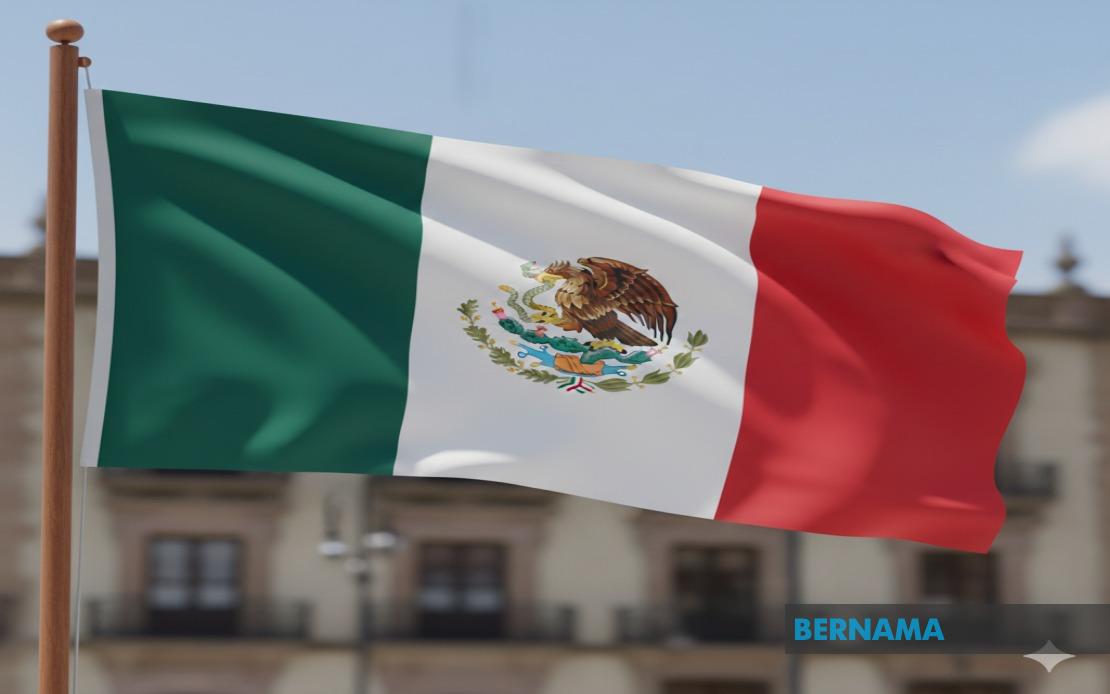
Mexico's government has taken the unprecedented step of escalating complaints about the deaths of its citizens during US Immigration and Customs Enforcement operations to the United Nations, signalling a significant shift in how the country intends to address what it considers violations of international human rights standards. Foreign Minister Roberto Velasco formally referred the deaths to UN High Commissioner for Human Rights Volker Türk in a letter on Tuesday, requesting a comprehensive examination of the incidents and seeking detailed information from American authorities on each case.
The decision to involve the UN represents a deliberate strategic shift in Mexican policy toward the United States on immigration enforcement matters. Rather than relying solely on traditional diplomatic channels and bilateral negotiations, Mexico is now pursuing a multilateral approach designed to place international scrutiny on American practices. This move carries particular significance given the historical power imbalances between the two nations and reflects Mexico's determination to ensure accountability for what it characterizes as excessive force and negligence resulting in fatalities.
The High Commissioner's office has been asked to undertake multiple investigative and evaluative functions. Beyond simply examining the circumstances surrounding each death, the office is to determine whether the incidents align with the United States' binding obligations under international human rights law. This distinction is crucial, as it transforms individual cases into questions of systemic compliance with global human rights standards. The office will also be expected to issue formal recommendations and, where appropriate, refer findings to the UN Human Rights Council's special procedures, potentially opening pathways for international pressure on Washington.
President Claudia Sheinbaum explicitly announced last week that Mexico would move beyond diplomatic overtures to pursue legal remedies. This commitment reflected growing frustration with the pattern of deaths and the absence of meaningful consequences for those responsible. The government has documented that three Mexican citizens have died during active ICE operations, while an additional fourteen have perished while being held in deportation detention facilities. These numbers suggest a systemic pattern rather than isolated incidents, lending weight to Mexico's decision to seek international intervention.
Mexico's domestic legal machinery is being mobilized in tandem with international efforts. The Attorney General's Office is preparing a formal complaint to be submitted to the United States Justice Department through diplomatic channels via the Mexican embassy in Washington. This approach combines the symbolic weight of an official government complaint with the legal structures that might compel American authorities to conduct investigations and potentially prosecute officers responsible for deaths. Simultaneously, Mexican embassies and consulates throughout the United States have begun filing complaints with local and state prosecutors in jurisdictions where incidents have occurred, creating multiple pressure points within the American legal system.
The Adelanto detention facility in California received the first cease-and-desist letter from Mexican authorities, marking a formal escalation beyond complaints and letters of inquiry. This step is strategically significant because it initiates the legal groundwork for potential civil litigation against detention operators and the government agencies overseeing them. Mexican authorities view these cease-and-desist notices as foundational documents that establish official notice of complaints and create documented records of Mexico's formal objections to conditions and practices within these facilities.
The most recent fatality underscores the ongoing nature of the crisis and the urgency driving Mexico's multilayered response. Lorenzo Salgado Araujo, a Mexican citizen who had built a life in Houston over more than thirty years and owned a construction business, was shot dead on July 7 during an ICE operation. The Department of Homeland Security provided its account, stating that Salgado Araujo failed to comply with officers' commands, struck a law enforcement vehicle with his car, and attempted to strike an officer, prompting the lethal response. However, this official narrative has been contested by his family, civil rights organizations, and Democratic politicians, all of whom are calling for an independent investigation to determine whether the use of lethal force was justified.
The controversy surrounding Salgado Araujo's death illustrates the fundamental dispute between American immigration enforcement agencies and advocates for immigrants' rights. These disagreements extend beyond factual questions about what occurred during specific incidents to encompass deeper philosophical differences about appropriate police procedures, the standards that should govern force deployment, and the rights of immigrants during enforcement actions. For Mexico, each contested death represents not merely a tragedy but evidence of systemic problems requiring international oversight and correction.
The implications of Mexico's escalation extend throughout the region and beyond. As a major source country for migrants to the United States, Mexico's experience with its citizens in American custody resonates across Central America and the Caribbean, where similar concerns exist. Mexico's decision to pursue UN intervention may embolden other nations to adopt comparable strategies. The approach also reflects the growing sophistication of Mexican diplomacy in leveraging international institutions and human rights mechanisms to counterbalance bilateral power imbalances with the United States.
For Malaysia and other countries with citizens in foreign custody, Mexico's actions demonstrate the potential utility of international human rights mechanisms in securing accountability and protection. The case illustrates how nations can move beyond traditional diplomatic complaints to activate UN oversight structures and employ legal strategies across multiple jurisdictions. As immigration enforcement intensifies globally, the precedent Mexico is establishing may influence how other nations respond to allegations of abuse or excessive force against their nationals abroad, particularly in wealthy countries with powerful law enforcement agencies.
The diplomatic tension created by Mexico's escalation may also impact broader bilateral relations. The Trump administration's immigration policies and rhetoric have consistently prioritized enforcement and border security, sometimes at the expense of diplomatic sensitivity toward Latin American nations. Mexico's move to internationalize complaints about deaths in ICE custody signals that such policies carry diplomatic costs and may face institutional resistance through UN mechanisms. How the United States responds—whether through substantive policy changes, independent investigations, or defensive posturing—will influence the trajectory of Mexico-US relations and set precedents for how immigration enforcement intersects with international human rights obligations.
The coming weeks will reveal whether the UN High Commissioner's office acts with the urgency and independence that Mexico hopes for, or whether institutional constraints limit its capacity to hold powerful nations accountable. Mexico's success in securing meaningful international pressure on American immigration practices will likely depend on whether the High Commissioner's investigation finds systematic violations of human rights law and whether the UN Human Rights Council takes action based on those findings. For Mexican citizens in American custody and their families, the outcome of Mexico's multilayered approach may determine whether accountability is achieved or whether the pattern of deaths continues unaddressed.

