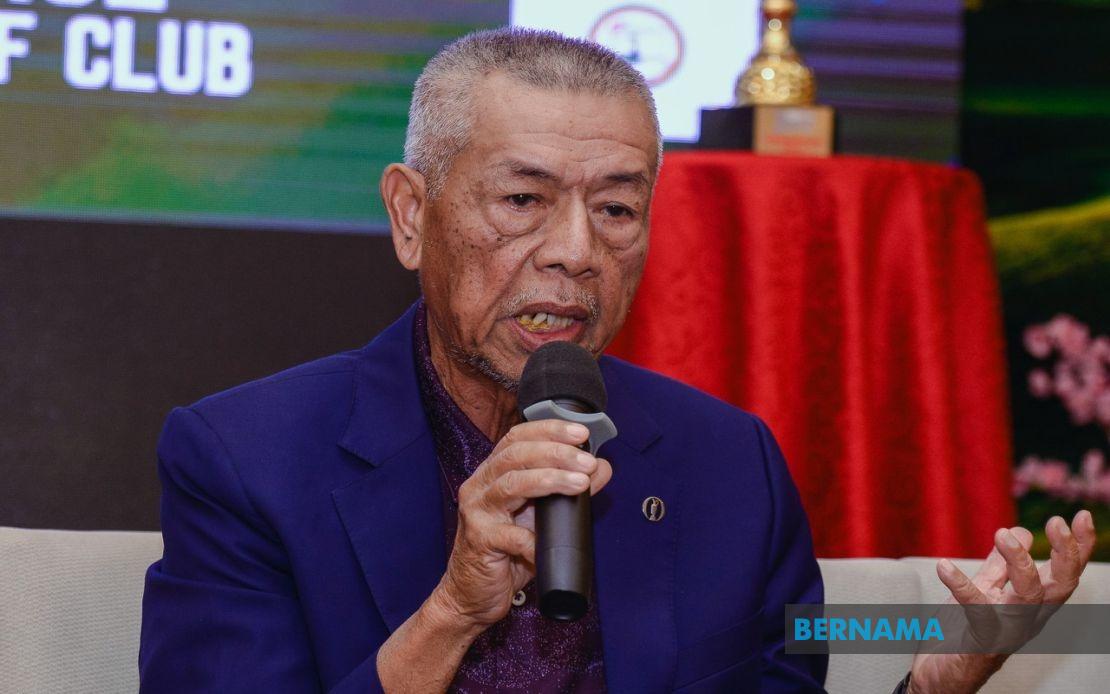
The Malaysian Golf Association has made a formal request to the Ministry of Youth and Sports for government backing to establish a dedicated full-time national coach position, recognizing that enhanced coaching infrastructure is essential to building competitive momentum ahead of the 2027 SEA Games that Malaysia will stage. The bid emerged from high-level discussions between MGA leadership and ministry officials, signalling a broader push to elevate golf's institutional capacity and athlete development systems within the country's sporting framework.
Tan Sri Mohd Anwar Mohd Nor, the MGA president, articulated the association's strategic rationale during a public address at The Mines Resort & Golf Club in Serdang, emphasizing that a permanent coaching appointment would enable the creation of a more disciplined, long-term preparation strategy for national team competitors. The move reflects a recognition that inconsistent or part-time coaching arrangements have historically constrained Malaysia's ability to field medal-competitive squads at major regional championships. By institutionalizing the coaching role rather than relying on ad hoc arrangements, the MGA aims to establish continuity in training methodologies, athlete monitoring, and performance benchmarking.
Mohd Anwar detailed discussions with Datuk Rahimi Ismail, the KBS secretary-general, confirming that both parties had identified the coaching position as a critical institutional gap. The MGA's pitch emphasizes not merely the appointment itself but the structural conditions that full-time coaching enables: systematic periodization of training cycles, consistent evaluation of player development pipelines, and integration of junior and senior athlete pathways. These operational improvements are particularly relevant as Malaysia transitions from hosting to competing, with approximately two years for the national programme to mature.
The association is actively seeking a high-calibre international or regional golf coach capable of translating technical expertise into podium outcomes. This specification suggests the MGA recognizes that Malaysian domestic coaching talent, while valuable, may require supplementation by practitioners with proven track records at SEA Games or similar multi-sport festival competitions. The recruitment challenge extends beyond salary and contract terms to encompass visa arrangements, integration with existing support staff, and alignment with Malaysia's longer-term competitive ambitions beyond 2027.
Coordination between the MGA, the Ministry of Youth and Sports, and the National Sports Council has been positioned as foundational to success. Rather than operating independently, the three entities are exploring how governmental sporting infrastructure—funding mechanisms, facility access, athlete stipends—can be mobilized in support of golf-specific objectives. This collaborative approach acknowledges that achieving competitive outcomes requires not simply a coach but a functioning ecosystem of training venues, sports science support, international competition exposure, and financial sustainability for athletes preparing for high-stakes competition.
The association's planning extends geographically beyond Kuala Lumpur, with Mohd Anwar recently convening with Sarawak's Minister of Youth, Sports and Entrepreneur Development, Datuk Seri Abdul Karim Rahman Hamzah, to explore training camp possibilities in the state. Sarawak's golf courses, geographical diversity, and relatively quieter environment may offer advantages for concentrated preparation blocks away from the capital's distractions. The willingness to utilize provincial facilities demonstrates a sophisticated understanding that SEA Games preparation benefits from varied training environments that challenge athletes under different course conditions and playing atmospheres.
The timing of this initiative carries strategic weight. With the 2027 Games scheduled for September, the window for implementing coaching systems, identifying talent, and conducting structured preparation cycles extends roughly two years from the announcement. This timeframe is sufficient for a newly appointed coach to assess current player capabilities, identify performance gaps, design targeted interventions, and conduct the international tournaments and training camps necessary to tune competing athletes. Delays in securing funding or finalizing coaching appointments would progressively compress the preparation window, potentially disadvantaging Malaysian players relative to regional rivals with more established development systems.
Golf's profile within Malaysia's sporting portfolio has traditionally remained secondary to football, badminton, and aquatics despite the nation's historical strength in individual stroke-play formats. The SEA Games 2027 hosting provides a cultural and institutional opportunity to elevate golf's visibility and investment profile. A well-resourced national programme competing visibly in the Games could stimulate grassroots participation, attract corporate sponsorship, and justify ongoing government allocation of sports development resources. The MGA's advocacy for a full-time coaching position is therefore simultaneously a competitive bid and a profile-raising effort aimed at securing golf's long-term position within Malaysia's sporting priorities.
The 100PLUS MGA National Junior Development Programme (NJDP) Junior Series 2026, simultaneously launched at the association's announcement, illustrates the integrated approach the MGA is pursuing. By simultaneously developing junior talent pipelines while advocating for senior-level coaching infrastructure, the association is constructing a coherent talent development pathway. Junior competitors progressing through the 2026 series will feed into a senior team environment shaped by the permanent coach's methodology and standards, theoretically creating a synchronized competitive structure more resilient and sustainable than episodic tournament-by-tournament approaches.
The government's response to the MGA's request will signal Malaysia's commitment to diversifying its SEA Games success beyond traditional stronghold sports. Several Southeast Asian neighbours maintain dedicated coaching structures for lesser-profile disciplines, recognizing that Games medals across multiple sports generate broader national prestige and sporting employment opportunities. Malaysia's decision whether to fund a full-time national golf coach may therefore influence broader Ministry of Youth and Sports resource allocation strategies and the precedent established for other non-mainstream sports seeking comparable institutional support.

