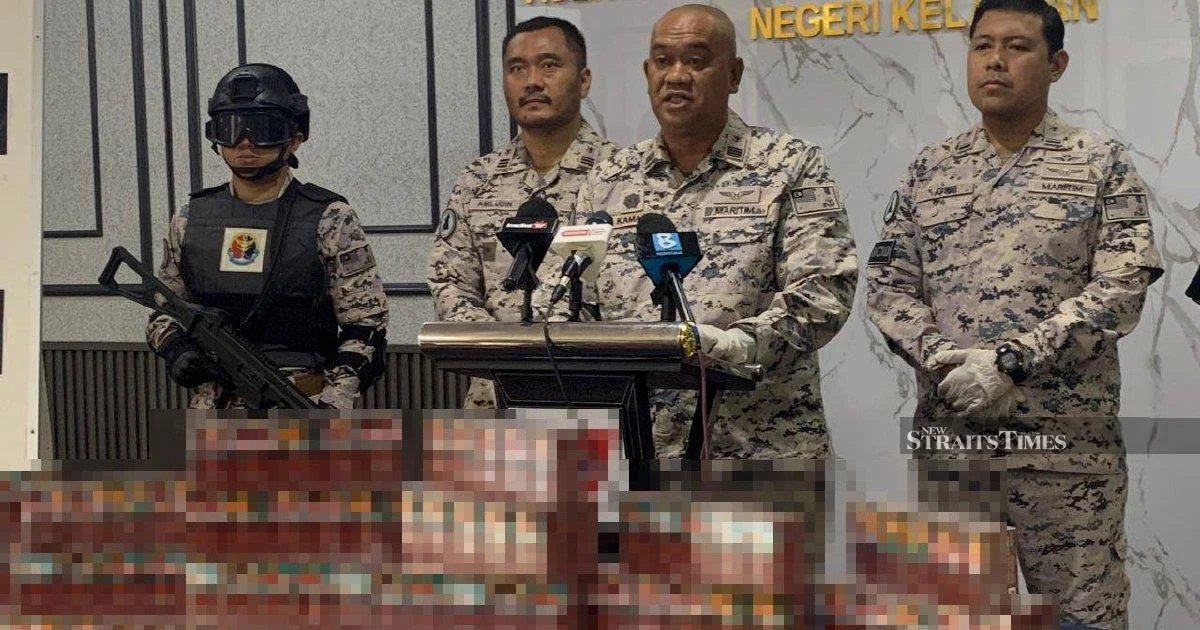
Authorities with the Malaysian Maritime Enforcement Agency (MMEA) have successfully intercepted a significant shipment of smuggled cigarettes worth approximately RM212,000 during an operation conducted at Kampung Penambang in Kelantan last week. The seizure, comprising 24 boxes of contraband tobacco products, represents another noteworthy effort by the maritime enforcement body to combat illegal goods trafficking through Malaysian waters and coastal communities.
The operation at Kampung Penambang underscores the ongoing challenges facing enforcement agencies in monitoring extensive stretches of coastline where illicit goods regularly transit. The Kelantan coast, particularly in the Pasir Puteh area, has long been a focal point for contraband activities due to its geography and accessibility to maritime routes. The interception demonstrates continued vigilance by MMEA personnel tasked with patrolling these waterways and intercepting vessels engaged in smuggling operations.
Contraband cigarette operations represent a persistent problem across Southeast Asia, draining government revenue through unpaid excise duties and taxes while creating unfair competition for legitimate tobacco retailers. In Malaysia, illicit cigarette markets undermine tax collection mechanisms designed to fund public services, with smuggling operations typically organised through established networks that exploit maritime vulnerabilities. The RM212,000 valuation of this shipment reflects the substantial financial incentives driving such illegal trade.
The MMEA's role in combating maritime crime has expanded significantly in recent years as authorities recognise the agency's crucial position in intercepting goods at sea before they reach land-based distribution networks. Beyond cigarettes, the maritime enforcement landscape encompasses weapons trafficking, narcotics smuggling, and other organised crime activities. Coastal operations targeting specific products like tobacco require coordination with intelligence units to identify suspicious vessels and trading patterns that suggest illicit activity.
The Kelantan operation aligns with broader regional enforcement strategies, as several Southeast Asian nations grapple with similar contraband challenges. Indonesia, Thailand, and the Philippines have similarly implemented intensified maritime patrols to disrupt smuggling corridors. The transnational nature of these operations often involves coordination across borders, with syndicates purchasing duty-free cigarettes in one jurisdiction and illegally exporting them to markets with higher excise rates, creating substantial profit margins that fund continued criminal enterprise.
From an economic perspective, the tobacco smuggling industry represents significant foregone revenue for the Malaysian government. Excise duties on cigarettes constitute an important income stream for the federal budget, supporting healthcare initiatives and public services. When contraband products undercut legitimate retail pricing, consumers increasingly turn to illegal channels, amplifying the fiscal impact. The RM212,000 seizure, while substantial, represents merely one transaction within a much larger underground market that continues to function despite enforcement efforts.
The enforcement operation also highlights the technical and personnel capabilities MMEA has developed to conduct effective maritime interdiction. Such operations typically involve intelligence gathering, surveillance, boarding procedures, and evidence handling in challenging marine environments. The agency must balance enforcement objectives with maritime safety considerations, particularly in areas with varying weather conditions and congested shipping lanes. Successful seizures depend on both strategic planning and tactical execution by trained maritime law enforcement personnel.
Government revenue protection constitutes only one dimension of the enforcement rationale. Public health considerations also factor prominently into counter-smuggling priorities, as regulatory frameworks governing cigarette manufacturing, packaging, and distribution exist partly to protect consumers and inform them about health risks. Illicit cigarettes frequently bypass these safeguards, potentially containing undisclosed additives or lacking appropriate health warnings. This dimension adds a public health justification to enforcement operations beyond simple revenue protection.
Looking forward, the MMEA and partner agencies face persistent challenges in disrupting established smuggling networks that command substantial financial resources and demonstrate considerable operational sophistication. Syndicates adapt their methods in response to enforcement successes, shifting routes, adopting different vessel types, or altering shipment compositions to evade detection. Sustained interdiction efforts require maintained investment in maritime surveillance infrastructure, intelligence capabilities, and personnel training to effectively counter evolving smuggling tactics.
The Kelantan operation reflects the ongoing maritime security environment across Malaysian waters, where enforcement agencies must balance competing demands while patrolling extensive coastal areas and territorial waters. As organised crime groups continue seeking maritime routes to transport contraband goods, sustained commitment to maritime enforcement remains essential to protecting government revenue and supporting public policy objectives related to tobacco regulation and public health.

