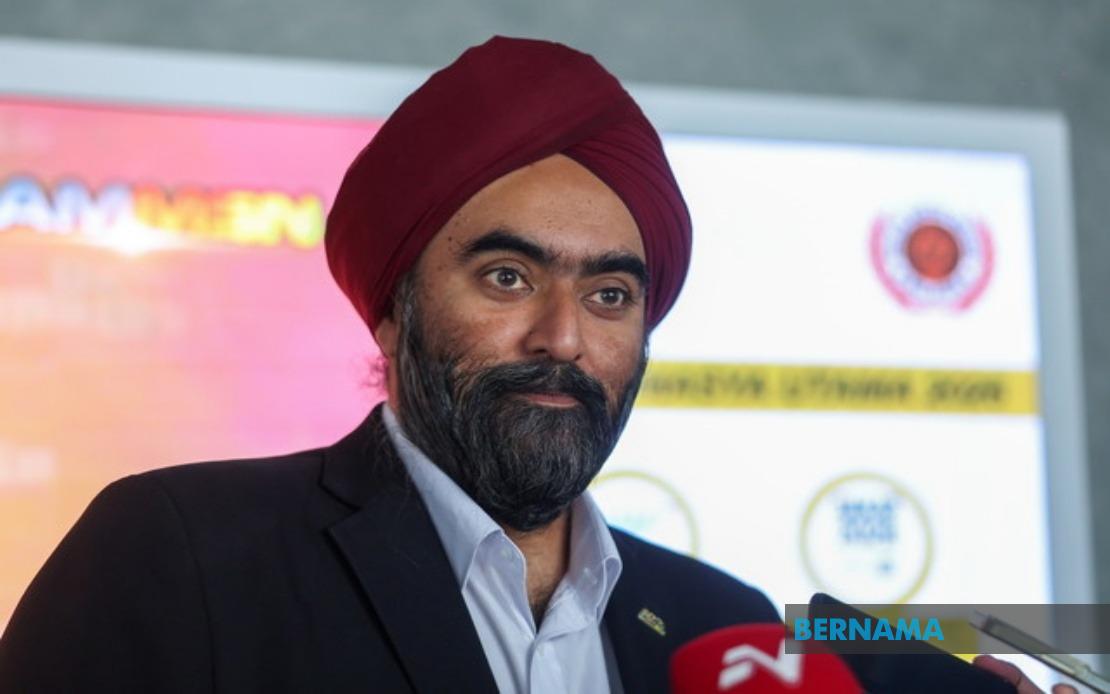
The Malaysian National Cycling Federation has escalated its appeal for direct negotiations with Yayasan Sime Darby in a bid to unblock the impasse surrounding the postponed YSD Track Cycling and BMX Series 2026. Speaking in Putrajaya on June 25, MNCF president Datuk Amarjit Singh Gill stressed that the federation stands ready for immediate talks to chart a path forward for the talent development initiative that has stalled the national cycling calendar.
The postponement of the prestigious series represents a significant setback for Malaysian cycling, which relies heavily on such competitions to identify and nurture emerging talent in track and BMX disciplines. The cancellation throws the development pipeline into uncertainty at a critical juncture, potentially affecting the preparation timeline for athletes targeting international competitions. For Malaysian cycling, which has made steady progress on the regional circuit, the disruption threatens to derail momentum built through sustained investment and strategic planning.
Datuk Amarjit's remarks suggest that the federation views the impasse as a resolvable disagreement rather than a fundamental breakdown between parties. He characterised the underlying tensions as manageable issues that could be settled through structured dialogue at the executive level, indicating that MNCF leadership believes both organisations share sufficient common ground to move beyond the current stalemate. This measured tone signals an attempt to depersonalise what may otherwise be portrayed as a conflict.
Yayasan Sime Darby has publicly attributed the series postponement to unspecified technical matters involving the MNCF, though the foundation has provided limited elaboration on the precise nature of these difficulties. By accepting YSD's characterisation while simultaneously downplaying the severity of the underlying issues, Datuk Amarjit appears to be positioning the federation as the reasonable actor willing to accommodate the foundation's concerns. This diplomatic approach suggests MNCF hopes to create space for resolution without publicly assigning blame or escalating rhetorical tensions.
The federation president emphasised that successful partnerships depend on reciprocal acknowledgement of each party's contributions and roles. He argued that neither organisation can claim primacy in the collaboration, and that both must be treated as equals with legitimate interests to protect. This framing challenges any perception that Yayasan Sime Darby, as the financial sponsor, holds superior standing in determining how the series should operate or what conditions govern its continuation.
Datuk Amarjit's insistence on mutual respect reflects deeper structural tensions that often emerge in sports governance when commercial sponsors and athletic federations attempt to coordinate. While foundations and corporate entities naturally seek to exercise influence proportional to their financial commitment, sports bodies typically resist arrangements that compromise their autonomy or subordinate technical decision-making to external actors. The MNCF appears determined to preserve institutional independence while acknowledging YSD's vital fiscal role.
The postponement's timing compounds the disruption. The series was scheduled for 2026, providing a crucial window for Malaysian cyclists to compete at home and gain exposure ahead of regional and international tournaments. The loss of these development opportunities could have downstream consequences for athlete progression, coaching staff engagement, and fan engagement with domestic cycling. For a country seeking to strengthen its sporting profile regionally, such delays undermine strategic investments in grassroots infrastructure and talent pathways.
MNCF's openness to engage at any moment underscores the federation's preference for swift resolution over protracted dispute. By pledging immediate availability and removing procedural barriers to dialogue, the organisation signals that it will not obstruct negotiations or demand preconditions. This flexibility is strategically prudent, as prolonged disagreement risks damaging relationships with sponsors, cooling public interest in cycling, and creating instability in the sport's governance that affects athletes and coaches dependent on stable programming.
The broader context includes Malaysia's investment in cycling as a medal-sport discipline. Government support and private sponsorship have expanded training facilities, coaching expertise, and competition opportunities over recent years. The YSD series represents one component of this ecosystem, providing crucial test events where domestic cyclists can showcase capabilities and receive evaluation from international observers. Interruptions to such programming affect not only individual athletes but the entire national cycling strategy.
YSD's foundation status and corporate backing give it considerable leverage in any negotiation, yet sustained partnerships require both parties to view the collaboration as beneficial and sustainable. The foundation's willingness to sponsor costly sporting events reflects corporate values and brand alignment, but these benefits diminish if reputational damage or organisational friction overshadows the initiative. MNCF's appeal to partnership principles and mutual respect speaks directly to preserving the conditions that make sponsorship worthwhile for YSD.
The federation's call for top-level engagement between YSD management and MNCF executive council suggests that existing communication channels between operational staff may have broken down or proved insufficient. Escalating to senior leadership often signals that technical disputes have hardened into positions requiring authoritative resolution. This approach can prove effective if leaders possess flexibility unavailable to subordinates bound by institutional positions.
Resolution of this dispute carries implications beyond the immediate cycling community. Sports sponsorships and partnerships operate within a reputation economy where institutions signal commitment to development and national pride. Malaysian corporate entities watching this situation will calibrate their willingness to engage in long-term sporting sponsorships based on how well such arrangements are managed. A positive resolution would strengthen confidence; prolonged discord might discourage future commitments.

