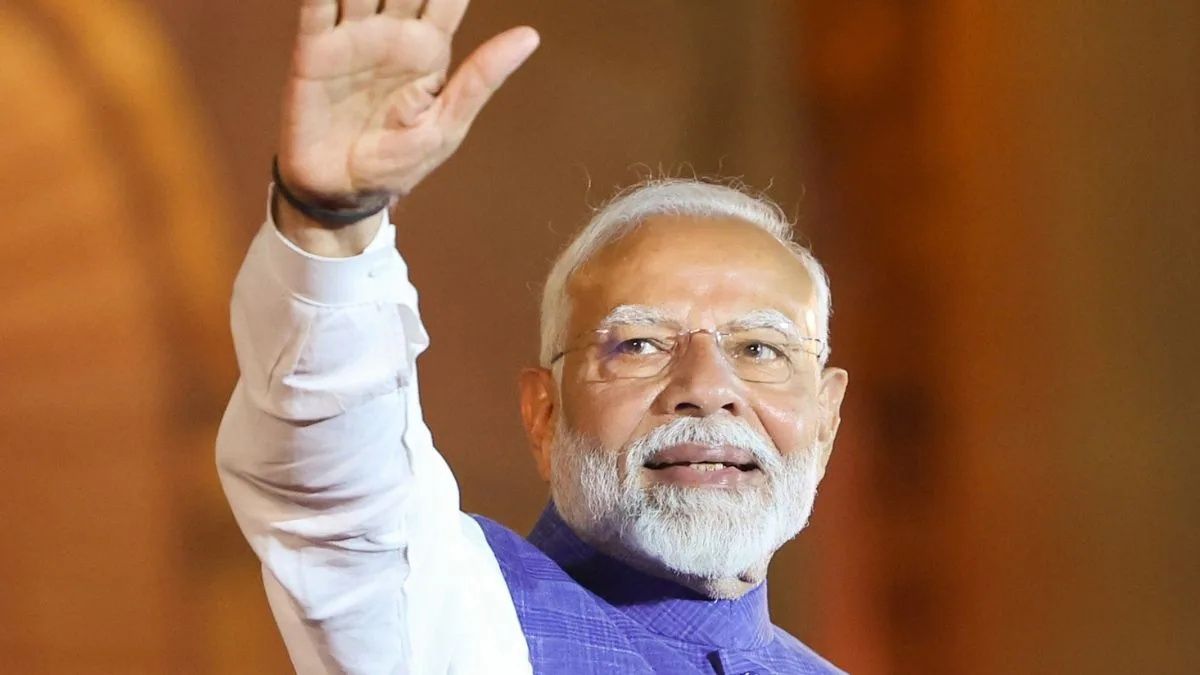
Prime Minister Narendra Modi will lead India's national celebrations for the 12th International Day of Yoga from Kolkata's historic Red Road on June 21, cementing the event's alignment with his broader philosophy linking physical wellness to mental resilience. The selection of West Bengal's capital city for the main gathering carries significant political undertones, arriving on the heels of the Bharatiya Janata Party's decisive victory in the state's recent Assembly elections, signalling the Modi government's strategic pivot toward consolidating power in a region long dominated by the Trinamool Congress.
The Red Road venue itself deserves scrutiny beyond its surface appeal as a public gathering space. The sprawling boulevard represents far more than logistical convenience—it embodies Kolkata's tradition of mass civic participation, military heritage, and environmental consciousness. By anchoring India's most prominent yoga celebration at this symbolic location, organisers underscore yoga's elevation from a wellness practice to a marker of national identity and, implicitly, of which political forces champion such values. The Ministry of Ayush has signalled expectations of record-breaking attendance, with thousands of citizens and dignitaries preparing for early morning Common Yoga Protocol demonstrations.
The political geography of this event cannot be divorced from governance priorities. Senior BJP leaders have indicated bluntly that West Bengal will receive intensified developmental attention in coming years, with infrastructure investment contingent on improved state management. Hosting the International Day of Yoga's national focal point in Kolkata functions partly as a public assertion of the saffron party's commitment to the region, while simultaneously capitalising on the ceremonial occasion to reinforce the government's wellness narrative ahead of broader policy announcements.
This year's thematic emphasis on "Yoga for Healthy Ageing" arrives amid global demographic shifts that concern both developed and developing nations. Union Minister of State Prataprao Jadhav has articulated the challenge succinctly: extended life expectancy means little if those additional years lack vitality, independence, and purpose. Yoga, framed through India's traditional wellness systems, offers what the government positions as a time-tested alternative to pharmaceutical-dependent approaches to managing age-related decline. For Malaysian and Southeast Asian readers, this messaging resonates particularly given our own ageing populations and rising healthcare expenditures—positioning yoga and traditional practices as potentially cost-effective complements to modern medicine warrants serious consideration.
The scale of mobilisation for the June 21 event rivals major government campaigns. The Ministry of Ayush's Yoga Sangam Portal has registered approximately 600,000 organisations nationwide, an extraordinary figure reflecting institutional and grassroots enthusiasm. Some 2,500 organised events are unfolding across the globe, with participation spanning 211 Indian diplomatic missions abroad. This decentralised approach amplifies the event's reach far beyond Kolkata's Red Road, embedding yoga practice into schools, offices, community centres, and residential complexes. The strategy ensures that participation becomes not merely a spectatorial experience but a coordinated national and international movement, with simultaneous practice creating symbolic unity.
The Ministry of Culture's parallel initiative to host yoga programmes at 100 iconic historical sites across India reflects an intentional blending of wellness advocacy with cultural preservation. By anchoring yoga demonstrations at heritage locations—temples, forts, monuments—the government reinforces narratives linking contemporary health practices to India's civilisational continuum. This approach appeals particularly to diaspora communities and international audiences seeking authentic connections to Indian traditions, even as it serves domestic political messaging.
Kolkata's preparation has included the "Daud Se Dhyan 2026" initiative, a precursor campaign marrying movement with stillness while emphasising cleanliness, civic responsibility, and holistic well-being. This framing integrates yoga within India's Swachhata (cleanliness) mission, suggesting that physical wellness, environmental stewardship, and civic consciousness form an interconnected whole. The naming convention referencing 2026 suggests long-term positioning, hinting that yoga-centric wellness campaigns may feature prominently in the government's messaging through the next election cycle.
The West Bengal government's mandate requiring participation by all government employees represents a more coercive dimension of the celebrations. While framed as patriotic engagement, mandatory attendance at designated venues raises questions about voluntary participation's role in such events. This top-down approach contrasts with the bottom-up enthusiasm evident in the 600,000 organisational registrations, potentially revealing tensions between grassroots interest and governmental deployment of the occasion for political consolidation.
For Southeast Asian observers, the International Day of Yoga's evolution in India illuminates how wellness practices transcend apolitical health contexts. The event has matured from a niche spiritual observance into a vehicle for statecraft, cultural assertion, and political messaging. Malaysia's own yoga communities, diverse religious contexts, and developmental priorities create distinct circumstances, yet the Indian model demonstrates how national health campaigns can simultaneously serve cultural nationalist objectives. Whether this integration strengthens or compromises yoga's accessibility across faith communities and socioeconomic strata remains contested.
The theme of healthy ageing carries particular relevance for Southeast Asia's rapidly ageing societies. With populations in Malaysia, Thailand, and Vietnam increasingly skewing toward older demographics, affordable, accessible approaches to maintaining vitality deserve serious policy attention. India's positioning of yoga as addressing this challenge presents both genuine wellness insights and strategic messaging. The 12th International Day of Yoga from Kolkata will likely reach Malaysian practitioners through social media, diplomatic channels, and wellness networks, potentially influencing how yoga is conceptualised and practised within local communities.
Beyond Kolkata's immediate celebrations lies a broader question about yoga's institutionalisation globally. By mobilising hundreds of thousands of organisations and positioning yoga at the apex of national wellness strategy, India reinforces its cultural soft power while potentially standardising yoga practice in ways that diverge from diverse traditional lineages. For practitioners seeking authentic transmission of yoga's deeper philosophical dimensions, the ceremonial emphasis on mass participation and national coordination may obscure rather than illuminate yoga's transformative potential at individual and community levels.

