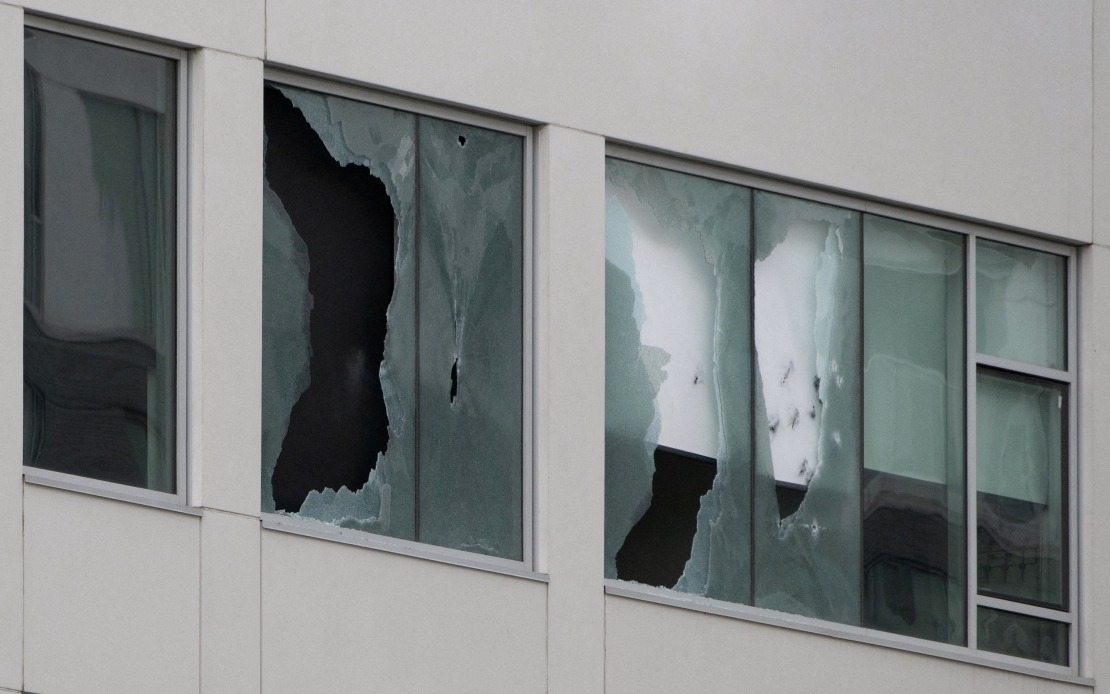
A shooting in Montreal's Côte-des-Neiges neighbourhood on Monday claimed the life of a police officer responding to the emergency, along with a civilian and the suspect involved in the incident. The Montreal Police Service expressed its grief through a statement posted on social media, confirming that one of its uniformed members had been fatally wounded while discharging duties. The confirmation came shortly after emergency responders arrived at the scene.
Police authorities subsequently verified that a member of the public had also been killed during the encounter, while the individual believed responsible for the violence had been fatally subdued. Two additional people sustained injuries in the episode, though one of these was the officer who survived, and officials later stated that this officer was no longer facing imminent danger to life. The confirmation raised questions about the nature and severity of the remaining injuries sustained during the chaotic incident.
Montreal Police Chief Fady Dagher addressed media personnel to describe how officers found themselves under gunfire upon arriving at the location. Officials characterised the gunman as having been "neutralised" at the scene and emphasised their belief that the individual had acted without accomplices. The emergency situation that unfolded in the residential neighbourhood prompted a comprehensive investigation, though authorities moved to lift the public alert that had been in effect during the active threat phase.
Investigators swiftly examined whether extremist ideologies or organised terrorism might have motivated the violence. Security officials determined that no such connection existed and ruled out the possibility of additional suspects remaining at large. This assessment provided some reassurance to residents of the affected neighbourhood, who had been instructed to remain indoors and secure their premises while police engaged with the suspect.
Media outlets in Canada reported that the shooter had allegedly left behind written materials containing rhetoric and language associated with the incel movement, an online subculture characterised by anti-women sentiment and advocacy for rigid adherence to traditional gender roles. The incel phenomenon, which has surfaced as a concern for law enforcement agencies across North America, represents a darker corner of internet culture where disaffected individuals congregate around misogynistic ideology. However, security authorities have not formally confirmed these claims regarding the alleged manifesto or its specific contents.
The incident underscores an ongoing challenge facing Canadian law enforcement, as mass shootings and targeted violence continue to intersect with extremist ideologies propagated through digital platforms. Montreal, while generally considered safe relative to major cities across North America, has experienced fatal incidents in previous years that have prompted reviews of police protocols and community safety measures. The Côte-des-Neiges neighbourhood, home to a diverse population of residents, found itself at the centre of a critical incident that tested emergency response procedures.
For Malaysian observers, the event highlights how violence rooted in online extremism represents a transnational challenge. Incel-related violence has previously drawn attention from international security analysts, and the phenomenon demonstrates how internet-based communities can radicalise individuals across geographical boundaries. Southeast Asian nations have increasingly monitored online extremist movements, recognising that local populations remain susceptible to radicalisation through global digital networks.
The loss of a police officer on duty resonates across law enforcement communities worldwide, serving as a stark reminder of the occupational hazards faced by those tasked with maintaining public safety. Police services in Canada, like their counterparts globally, have been grappling with questions about tactical responses to armed suspects and how to balance officer protection with civilian safety during dynamic incidents.
The investigation into the Montreal shooting continues, with officials maintaining oversight as details emerge regarding the shooter's background, motive, and any warning signs that might have been evident before the violence occurred. Such post-incident reviews often generate broader discussions about mental health interventions, threat assessment capabilities, and community-based prevention strategies. For authorities across the region and internationally, the case will likely contribute to ongoing dialogue about identifying and managing individuals who may pose risks based on their engagement with extremist online communities.

