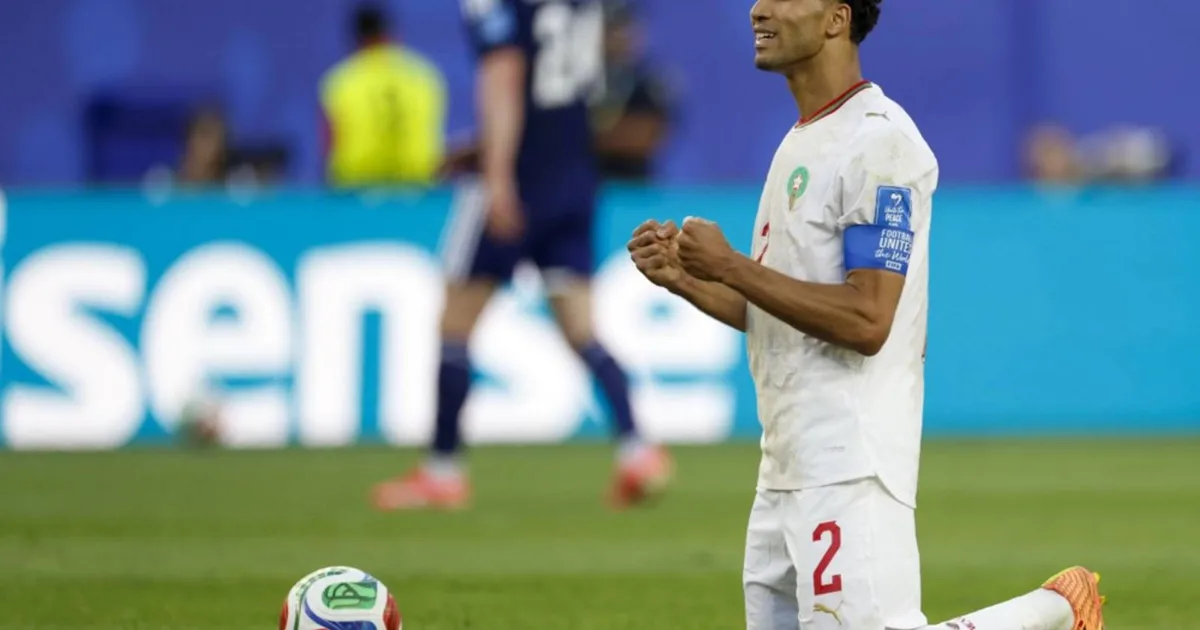
Paris Saint-Germain defender Achraf Hakimi is navigating a challenging period off the pitch as he confronts serious legal allegations while simultaneously preparing for international duty, yet Morocco's national team coach has publicly endorsed the player's mental fortitude and ability to manage the mounting pressure surrounding his personal situation.
The 26-year-old right-back faces accusations stemming from an alleged incident in the Paris region during 2023 involving a 24-year-old woman. Hakimi has firmly rejected these allegations, maintaining his innocence as the matter progresses through the French legal system. The case represents a significant distraction for a player whose on-field performances have been instrumental to both PSG's domestic ambitions and Morocco's continental aspirations.
Morocco's coaching staff appears steadfast in their commitment to the defender despite the legal cloud hanging over his career. The national team coach's public statement suggesting Hakimi remains "calm" signals an attempt to project stability within the squad while acknowledging the unusual circumstances the player must navigate. This backing from the coaching hierarchy may serve to reinforce the player's confidence and provide psychological support during a period that would test most athletes' emotional resilience.
The situation carries particular weight given Hakimi's stature within the Moroccan national programme. His performances during the recent World Cup campaign elevated his profile considerably, establishing him as a crucial component of the nation's tactical framework. Any prolonged distraction or uncertainty regarding his availability could impact Morocco's preparations for upcoming continental competitions and qualifying campaigns across the African football calendar.
For PSG, the matter presents organisational complications extending beyond simple squad management. The club operates within a jurisdiction where legal proceedings involving high-profile athletes generate substantial media scrutiny, potentially creating internal tensions and affecting team dynamics. The French champions must balance their duty of care toward all players while managing the broader implications of having a key defender embroiled in ongoing legal processes.
The allegations themselves involve claims that will be examined through the French judicial system, where evidentiary standards and procedural safeguards operate independently of football governance structures. This separation between sporting and legal spheres creates a complex environment where Hakimi must maintain professional standards while his legal status remains undetermined. The player's legal team will be pursuing his defence through appropriate channels while he continues his professional responsibilities.
The broader context of athlete conduct and accountability has evolved significantly across European football in recent years. Cases involving high-profile players have prompted deeper conversations about institutional responsibility, victim support, and due process protections. The Hakimi situation, whatever its eventual outcome, will likely contribute to ongoing discussions within professional football about navigating the intersection between personal conduct, legal proceedings, and athletic participation.
From a Southeast Asian perspective, the case underscores challenges that regional football associations and international bodies face when managing player conduct issues across different legal jurisdictions. Malaysian and other regional clubs increasingly feature foreign imports whose personal matters may attract international attention, requiring domestic sporting institutions to develop robust policies addressing such complications.
The psychological dimension of competing under such circumstances cannot be underestimated. Athletes in elite professional environments typically rely on mental clarity and stability to perform at their highest levels. Hakimi's ability to compartmentalise his legal challenges while maintaining the concentration necessary for international football represents a considerable test of mental fortitude, precisely the characteristic his national team coach has highlighted.
Morocco's continued selection and support for Hakimi also reflects confidence in the judicial process itself. By maintaining the player's participation, the national team essentially positions itself alongside the presumption of innocence principle that underpins legal systems across Western democracies. This stance suggests organisational faith that the French courts will properly evaluate evidence and reach appropriate conclusions.
Looking forward, the resolution of these allegations will substantially influence Hakimi's trajectory across both club and international football. A resolution favouring the player could allow him to focus entirely on sporting performance and rehabilitation of his public image. Conversely, any unfavourable legal outcome would create more fundamental questions about his future availability and participation at elite levels.
The next months will prove critical as the legal process unfolds in parallel with the football calendar. Morocco's commitment to selecting Hakimi despite the allegations sends a powerful signal about institutional support, even as the broader football community watches developments carefully. His composure and continued professional dedication during this uncertain period will likely define not just his personal character but also the broader question of how modern football manages complex situations straddling legal, ethical, and sporting domains.

