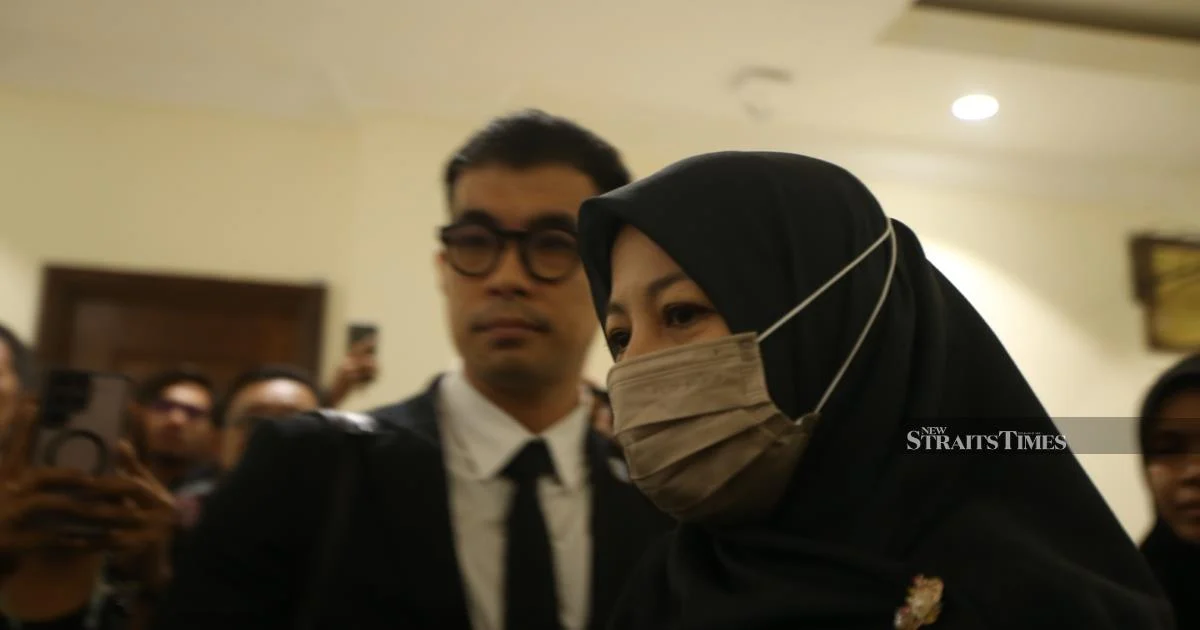
In an emotionally charged moment at Kota Kinabalu's coroner's court, Noraidah Lamat expressed deep regret over a decision that would shape the tragic narrative of her late daughter's final months. The mother disclosed that she wished she had never sent Zara Qairinah Mahathir to SMKA Tun Datu Mustapha, the residential school where the teenager met her untimely death. This candid admission carries profound implications for parental responsibility, institutional accountability, and the ongoing scrutiny of Malaysia's boarding school system.
The testimony places into sharp focus the personal anguish experienced by families who place their trust in Malaysia's educational institutions. For Malaysian parents considering boarding schools as educational alternatives, Noraidah's regret serves as a sobering counterpoint to the prestige and promise often associated with such establishments. Many families, particularly those seeking enhanced academic rigour or disciplined environments for their children, view enrollment at selective boarding institutions as an investment in their child's future. Yet this case underscores the unpredictable circumstances that can compromise even well-intentioned decisions.
SMKA Tun Datu Mustapha stands as one of Sabah's premier boarding institutions, known for its academic reputation and structured environment. The school's standing in the state's educational hierarchy suggests that selection as a student body member represents an achievement in itself. Families routinely navigate competitive admission processes with the expectation that their children will benefit from superior facilities, experienced educators, and a disciplined community. Noraidah's reversal of this logic—her assertion that placement at this institution was fundamentally mistaken—represents a fundamental questioning of assumptions that many Malaysian families hold dear.
The coroner's court proceedings have become the vehicle through which family members and education authorities confront uncomfortable truths about boarding school environments. These courts operate as spaces where systemic failures, individual oversights, and institutional vulnerabilities surface in testimony and evidence. Noraidah's statement, emerging within this formal legal framework, carries weight beyond personal grief; it becomes part of the official record regarding how well Malaysian schools protect their most vulnerable charges.
The issue of boarding school safety has periodically dominated Malaysian public discourse, with parents wrestling with anxieties about their children's wellbeing whilst separated from parental oversight. These institutions, despite their academic credentials, operate within complex social ecosystems where peer dynamics, mental health support, and crisis response protocols prove critical. When institutional safeguards prove insufficient, the consequences can devastate families and raise systemic questions about how thoroughly Malaysia's educational sector addresses student welfare concerns.
Noraidah's regret also illuminates the psychological burden carried by parents who face outcomes they could not have anticipated. The decision to send a child to boarding school typically involves careful deliberation, consultation with educators, and consideration of educational benefits. When tragic circumstances follow such decisions, parents often experience compounded grief—not merely mourning the loss itself, but tormented by questions about alternative paths not taken. This retrospective anguish, whilst understandable, also reflects the genuine uncertainties inherent in parenting and education planning.
For other families in Sabah and throughout Malaysia considering SMKA Tun Datu Mustapha or similar institutions, this court testimony will inevitably influence perception and decision-making. Prospective applicants' families may now scrutinise the school's safety protocols, mental health resources, and crisis management procedures with renewed intensity. The institution itself will face heightened pressure to demonstrate that the circumstances surrounding Zara's death represent rare exceptions rather than systemic gaps, and to articulate concrete improvements made in response to these events.
The broader educational landscape in Malaysia, particularly regarding boarding schools, faces a reckoning about expectations versus realities. These institutions promise academic excellence and character development, yet they cannot guarantee safety against all possible harms. Understanding this tension—between institutional promises and human vulnerability—becomes essential for parents, educators, and policymakers navigating decisions about student placement and school safety standards.
Coroner's court proceedings addressing school-related deaths serve important public functions beyond individual cases. They establish official records, identify potential systemic failures, and sometimes prompt policy reforms across institutions and state education departments. Noraidah's testimony, alongside other evidence presented during these proceedings, contributes to a documented narrative about what occurred and whether institutional failings contributed to the tragedy. This public accountability mechanism, whilst offering no solace to grieving families, theoretically prevents similar circumstances from repeating unaddressed.
The emotional landscape inhabited by Noraidah—and by countless other Malaysian parents—reflects the profound stakes inherent in educational decision-making. Sending children to boarding schools represents an act of faith: faith that institutions will provide safe environments, that staff will exercise appropriate duty of care, that systems will function as designed. When that faith proves misplaced, the consequences extend far beyond academic outcomes, touching the deepest reserves of parental responsibility and family security.
As this case continues its journey through Kota Kinabalu's justice system, Malaysian society remains attentive to how institutional accountability mechanisms will respond. The coroner's findings will carry significant weight in determining whether SMKA Tun Datu Mustapha and similar schools undertake meaningful reforms addressing identified vulnerabilities. For parents throughout Malaysia, the takeaway extends beyond this single institution: it concerns the fundamental question of how thoroughly we, as a society, protect young people entrusted to our care, whether at home or in institutions.

