Lawmakers from government and opposition coalition parties have launched a stinging rebuke of opposition MPs who walked out of a special parliamentary session on the Tabung Haji Royal Commission of Inquiry report, describing their absence as a dereliction of duty and a betrayal of the millions who depend on the institution.
The boycott occurred during a ministerial briefing in the Dewan Rakyat, with Perikatan Nasional leadership figures including Opposition Leader Datuk Seri Hamzah Zainuddin, PN chief whip Datuk Seri Takiyuddin Hassan, and PN chairman Datuk Seri Dr Samsuri Mokhtar notably absent from the proceedings. The RCI report examined Tabung Haji's management and operations between 2014 and 2020, a period marked by significant challenges for Malaysia's premier pilgrimage savings institution.
Muar MP Syed Saddiq Syed Abdul Rahman articulated the most pointed criticism, questioning how opposition lawmakers who frequently present themselves as champions of Malay-Muslim interests could abandon scrutiny of one of the community's most vital financial institutions. He underscored that Tabung Haji serves over 10 million depositors whose savings are fundamentally intertwined with the organisation's governance and financial health. Syed Saddiq contended that parliamentary duty transcends the temporary health challenges of any single political figure, rejecting suggestions that reduced government leadership should excuse collective opposition silence on matters of national importance.
The controversy touches a raw nerve in Malaysian politics, where parliamentary oversight of government-linked institutions remains contentious. Tabung Haji has faced years of scrutiny following accumulated losses and governance concerns that prompted the RCI investigation. For depositors—predominantly ordinary Muslims saving for the hajj pilgrimage—the institution represents both spiritual aspiration and financial security. This context makes the legislative debate particularly significant, as parliament provides the formal venue for examining how public trust has been managed.
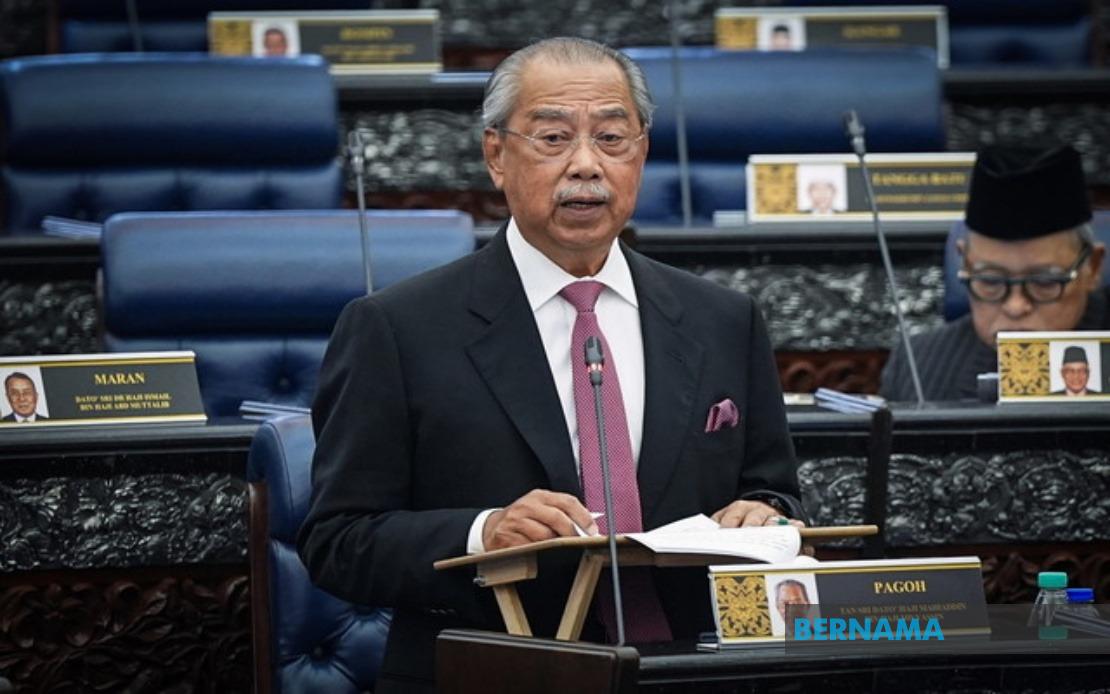
Tan Sri Muhyiddin Yassin, speaking from Pagoh, highlighted that six Bersatu MPs deliberately remained in the chamber despite broader opposition defections, framing their participation as evidence of principled governance. His intervention underscores growing tensions within the opposition coalition itself, with Bersatu's decision to engage on Tabung Haji standing in sharp contrast to other PN partners' withdrawal. This fracture suggests deeper disagreements about parliamentary tactics and the relative weight assigned to institutional accountability versus political positioning.
Putrajaya MP Datuk Dr Radzi Jidin and Padang Serai MP Datuk Azman Nasrudin both emphasised that the issue transcends ordinary political theatre, framing the debate as essential governance rather than partisan advantage-seeking. Nasrudin's comment that parliament represents not merely the 10 million depositors but all 30 million Malaysians with stakes in national financial institutions illustrates how Tabung Haji's challenges ripple through the broader economy. The institution's stability affects confidence in government management of sovereign wealth and public financial instruments.
Sri Gading MP Aminolhuda Hassan drew attention to Betong MP Datuk Dr Richard Rapu @ Aman anak Begri's substantive contributions to the debate, emphasising that parliamentary effectiveness depends on individual accountability regardless of religious affiliation or coalition membership. This observation carries particular weight in Malaysian politics, where ethno-religious considerations often dominate legislative participation patterns. Rapu's engagement demonstrates that rigorous parliamentary scrutiny can operate independently of such demographic categorisations.
The walkout has provoked criticism beyond government benches. Angkatan Muda Keadilan, the youth wing of Parti Keadilan Rakyat, characterised the boycott as politically immature and fundamentally irresponsible. The statement contended that prioritising parliamentary absence over institutional oversight creates a perception that political party interests supersede protection of depositors' financial positions. This internal opposition criticism suggests that the boycott carries risks for opposition credibility, particularly among constituencies concerned with good governance and institutional transparency.
The Tabung Haji RCI itself represents a significant accountability mechanism, one of the few comprehensive investigations into management failures at a major government-linked institution. Parliament's debate on the RCI report provides the formal venue for translating investigative findings into policy responses and public accountability. Opposition withdrawal from this process, regardless of stated rationales, surrenders the legislative platform for demanding remedial action and institutional reform. For depositors and ordinary citizens monitoring how Malaysia's public institutions function, such absence signals weakened parliamentary oversight.
The controversy also reflects broader anxieties about parliamentary vitality in Malaysia. Effective legislatures depend on substantive opposition engagement, even when governments are politically dominant or temporarily weakened by external circumstances. The decision by some opposition MPs to boycott rather than participate in robust critique suggests either tactical miscalculation or deeper disengagement from the legislative process itself. Either interpretation carries troubling implications for democratic governance and institutional accountability.
Looking forward, the Tabung Haji debate underscores why Malaysian depositors, policymakers, and institutional observers should prioritise concrete outcomes over parliamentary posturing. Whether the RCI recommendations receive adequate legislative attention and budgetary support, how swiftly governance reforms are implemented, and whether management accountability mechanisms strengthen remain the substantive questions demanding focus. These outcomes depend less on which MPs were physically present and more on whether parliament translates investigative findings into institutional change that protects the financial interests and dignity of millions of ordinary Malaysian savers.

