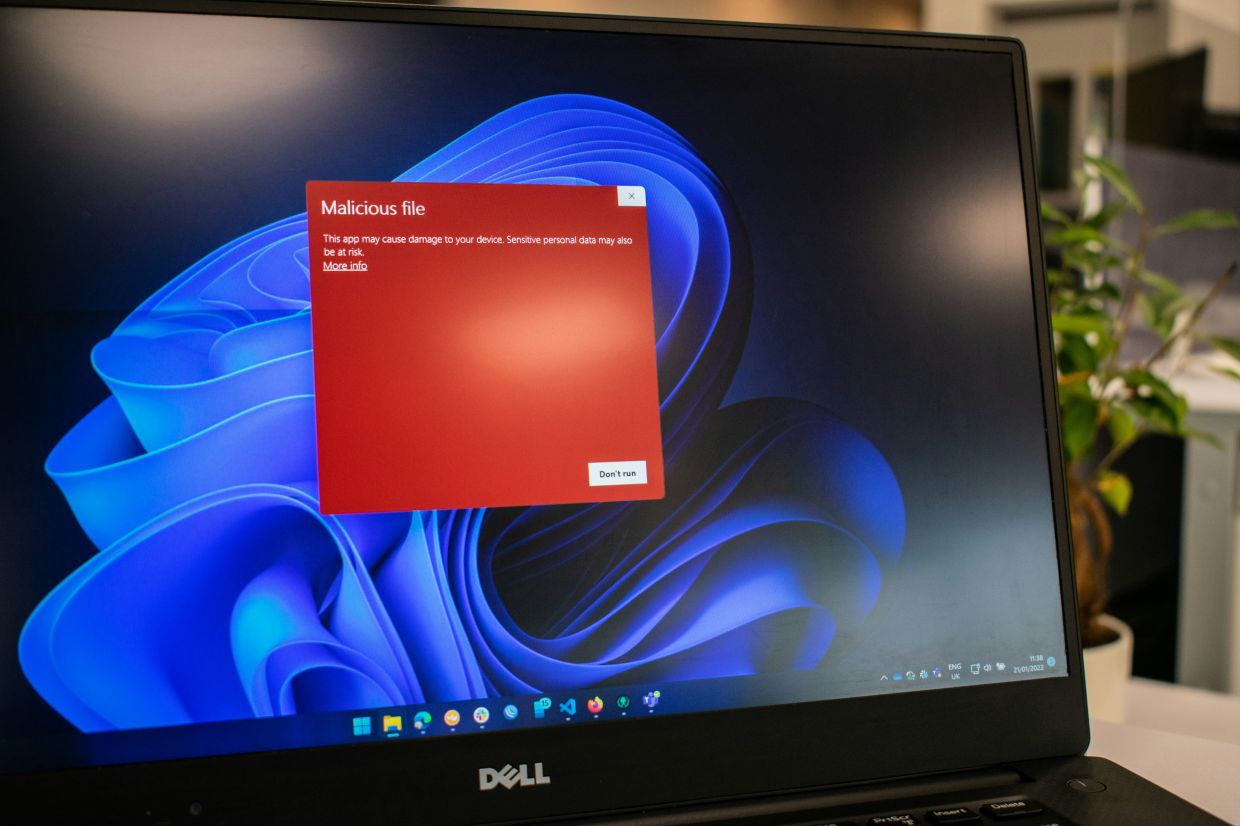
Malaysia's cybersecurity authority MyCert has issued a fresh warning about a targeted malware campaign circulating through WhatsApp Web and Desktop platforms, with Windows-based computers facing particular risk from social engineering tactics employed by criminal actors. The threat represents a concerning evolution in how attackers are exploiting popular messaging platforms to deliver sophisticated malicious payloads directly to Malaysian users and potentially broader Southeast Asian audiences.
The attack relies on a deceptively simple but effective method: perpetrators send unsuspecting recipients messages containing file attachments that masquerade as routine business documents. The filenames themselves are crafted to appear legitimate and innocuous, mimicking common financial and legal communications that workers and business owners encounter regularly. Examples include "Acknowledgment of Debt.vbs", "Sila semak bil anda.vbs", "December statement of account.vbs", and "Reconciliation.vbs". The use of Bahasa Malaysia in some filenames suggests the campaign is deliberately targeting Malaysian audiences, indicating a level of localization in the attackers' approach.
What makes this campaign particularly insidious is the technical obfuscation at its core. Despite their official-sounding names suggesting PDF format, these files are actually Visual Basic Script (.vbs) executables—a format that allows automated execution of code. The moment an unsuspecting user opens such a file, the script launches automatically without additional prompts or warnings, initiating a malware infection sequence that unfolds beyond the user's awareness or control. This represents a fundamental security gap that many users may not even recognize, as the distinction between document formats and executable scripts remains poorly understood among general computer users.
Once executed, the malicious script establishes a dangerous foothold on the compromised system by installing a Remote Access Trojan, commonly abbreviated as RAT. This particular class of malware grants attackers genuine remote access and control capabilities over the infected device, effectively transforming a personal computer into a compromised asset under criminal control. Critically, the RAT maintains persistent access even after system reboots, meaning the infection survives standard computer restarts and continues operating silently in the background.
The true danger emerges from what the malware does after establishing this foothold. The RAT systematically disables Windows security prompts and alerts, creating an environment where malicious activities proceed undetected. The attacker can then harvest sensitive information directly from the compromised system, including passwords typed into browsers and applications, banking personal identification numbers, and one-time passwords generated by authentication apps. This information capture occurs invisibly to antivirus software and security tools, leaving users completely unaware that their credentials are being stolen in real time.
For Malaysian users and businesses, the implications are severe. A compromised system means potential unauthorized access to online banking accounts, email systems, corporate networks accessed from the device, and any other password-protected services. Given that many Malaysians now conduct financial transactions through mobile and desktop banking platforms, and considering the rising prevalence of remote work arrangements throughout the region, a single infected device could expose both personal finances and sensitive corporate data to criminal exploitation.
MyCert's immediate recommendations focus on prevention and containment. Users should categorically avoid opening any suspicious file attachments received through WhatsApp, even if they appear to come from known contacts, as accounts can be compromised or messages spoofed. Responding to the sender should also be avoided, as confirmation of an active phone number increases the likelihood of sustained targeting. Instead, users should report such messages directly through WhatsApp's built-in reporting system and simultaneously notify MyCert by emailing [email protected] with screenshots, timestamps, and sender information.
For those who have already opened or executed suspicious files, the situation demands immediate and decisive action. The first critical step involves disconnecting the affected device from all internet connections to sever the attacker's remote access capability. This prevents further data exfiltration and stops the attacker from deepening their compromise of the system. Corporate users face an additional obligation to immediately notify their organization's IT and security teams, as the infection could potentially provide a beachhead into broader corporate networks and systems.
Following disconnection from the internet, users must assume that all passwords and sensitive information entered on the compromised system have been captured and exposed. This necessitates a complete password reset using a separate, trusted device—preferably a phone or laptop known to be clean and uncompromised. All passwords associated with accounts accessed on the infected machine should be changed, including email, banking, social media, and any corporate systems. Financial institutions should be contacted to advise them of the compromise and to monitor accounts for unauthorized activity.
Removal of the malware itself requires professional technical assistance, as standard antivirus scans prove inadequate against modern RATs like those deployed in this campaign. These sophisticated tools often employ techniques specifically designed to evade detection by mainstream security software. Attempting to remove the malware through conventional means typically proves unsuccessful and may leave portions of the infection intact, continuing to pose security risks. Engaging qualified cybersecurity professionals or reputable specialized malware removal services becomes essential to fully eliminate the threat.
The broader context of this campaign reflects evolving tactics within the cybercriminal landscape across Southeast Asia. As awareness of phishing and social engineering has increased, attackers have become more sophisticated in their approach, exploiting legitimate communication platforms and employing localized content to increase success rates. The targeting of WhatsApp Web and Desktop—interfaces that many users perceive as inherently safer than downloading files from untrusted sources—demonstrates how criminals actively exploit psychological blind spots and platform trust assumptions.
Malaysian users and businesses should view this warning as part of a necessary shift in cybersecurity consciousness throughout the region. The intersection of social engineering sophistication, technical malware capability, and the ubiquity of messaging platforms creates a high-risk environment for device compromise. Maintaining skepticism toward unexpected file attachments, even from apparently familiar sources, implementing multi-factor authentication across critical accounts, and keeping systems updated with security patches represent fundamental protective measures that significantly reduce vulnerability to such campaigns.

