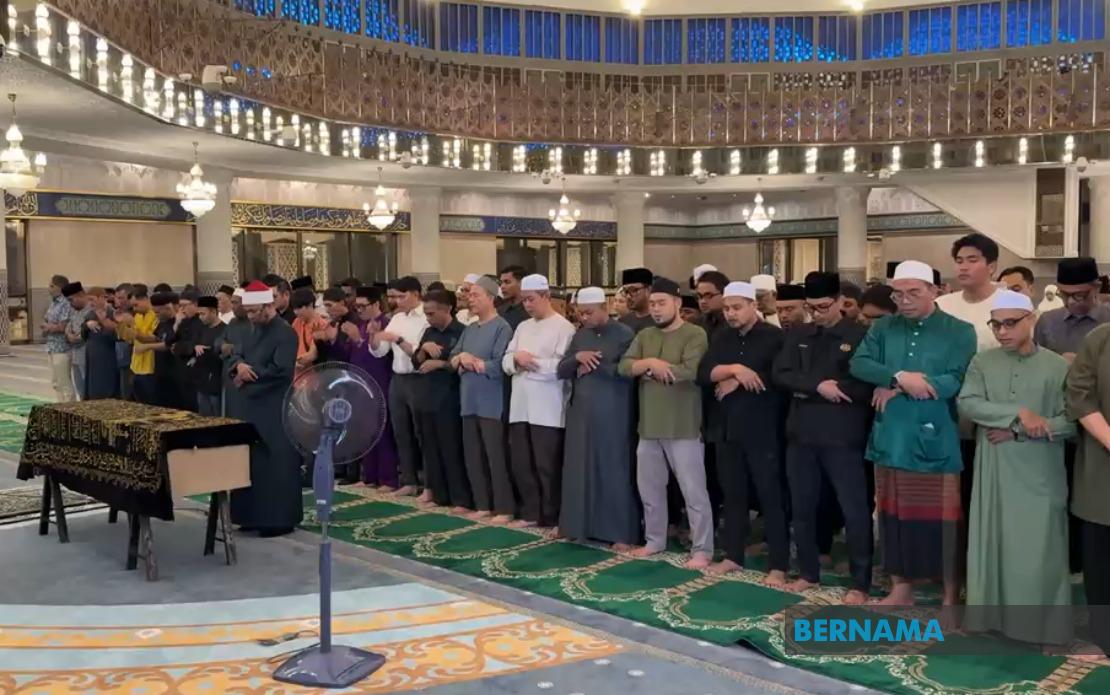
The remains of Datuk Kamil Misuari, spouse of Women, Family and Community Development Minister Datuk Seri Nancy Shukri, received final prayers at Kuala Lumpur's National Mosque on the evening of June 18 before being transferred to Sarawak for interment. The ceremonial proceedings reflected the standing of the government minister, with senior colleagues and family members gathering to pay respects during an emotionally significant moment for the household.
Preparations for the funeral rite commenced earlier in the evening at Ampang Hospital, where the deceased's remains underwent ritual cleansing beginning at 9 pm. The hospital had served as Datuk Kamil's place of care following his admission the previous Friday, with his medical situation taking a concerning turn during the afternoon hours preceding his passing. These initial preparations, conducted with dignity and according to Islamic custom, set the tone for the subsequent observances that would follow throughout the night.
By 10 pm, the remains had been transported to the National Mosque, one of Malaysia's most significant religious institutions, to enable extended family members and those within the deceased's inner circle to observe the customary period of final reflection. The transition from the hospital to the mosque represented a shift from the private medical setting to a more formal, communal space where the broader circle of mourners could participate in paying their respects. This movement through Kuala Lumpur's streets highlighted the solemn nature of the occasion.
The funeral prayer service itself was scheduled for 10:50 pm, representing the formal Islamic religious observance that would mark the spiritual culmination of the evening's proceedings. For many attending, this moment carried particular weight given Datuk Kamil's family connection to the cabinet, making the gathering notable within political and social circles. The timing ensured that the ceremony could be completed before the late-night transfer to the airport.
Following the conclusion of the funeral prayers, the remains were to be transported to Kuala Lumpur International Airport at 11:20 pm for the evening flight bound for Sarawak. This arrangement allowed the deceased to be returned home to his native state, where final burial rites would be conducted according to family and cultural preferences. The logistics involved in moving the remains across Malaysia overnight underscored the respect accorded to the occasion and the careful coordination required by all parties involved.
Education Minister Fadhlina Sidek was among the government figures present at Ampang Hospital during the preceding hours, reflecting the broader cabinet's acknowledgement of the situation affecting their ministerial colleague. Such presence among government members served as a tangible expression of solidarity during a difficult family period. The attendance of cabinet-level officials signalled the significance placed upon the occasion within governmental and official circles.
Family members who had travelled from Lahad Datu in Sabah were also present in Kuala Lumpur to participate in the final respects, demonstrating the extended family's commitment to honouring the deceased. Their journey to the capital during the evening illustrated the importance placed upon being present for these solemn rituals, despite the considerable distance involved. The gathering of relatives from different parts of Malaysia reflected the far-reaching family connections and the significance of the farewell.
The circumstances surrounding Datuk Kamil's hospitalisation, which had begun the preceding Friday, had apparently deteriorated rapidly on the day of his passing. The progression from what initially appeared manageable to a terminal situation within several days would have tested both the family and medical staff. The relatively swift nature of the decline made the evening's events a poignant farewell for those who had hoped for an extended period for adjustment and preparation.
For Datuk Seri Nancy Shukri, the loss represents a personal tragedy unfolding within the public eye, given her prominent position within the federal government's cabinet structure. Her portfolio overseeing women, family, and community development carries particular resonance during a period when she herself faces profound family loss. The juxtaposition of her official responsibilities with her private grief illustrates the challenges faced by senior government officials when confronting personal adversity while maintaining their public duties.
The journey of Datuk Kamil's remains back to Sarawak carried him homeward following what had been a period of treatment in the capital. For many Sarawakians, such circumstances are not uncommon, as residents from East Malaysia sometimes travel to peninsular medical facilities seeking specialised healthcare. The return journey, though undertaken in sorrowful circumstances, reunited the deceased with his home state and the community from which he had originated.

