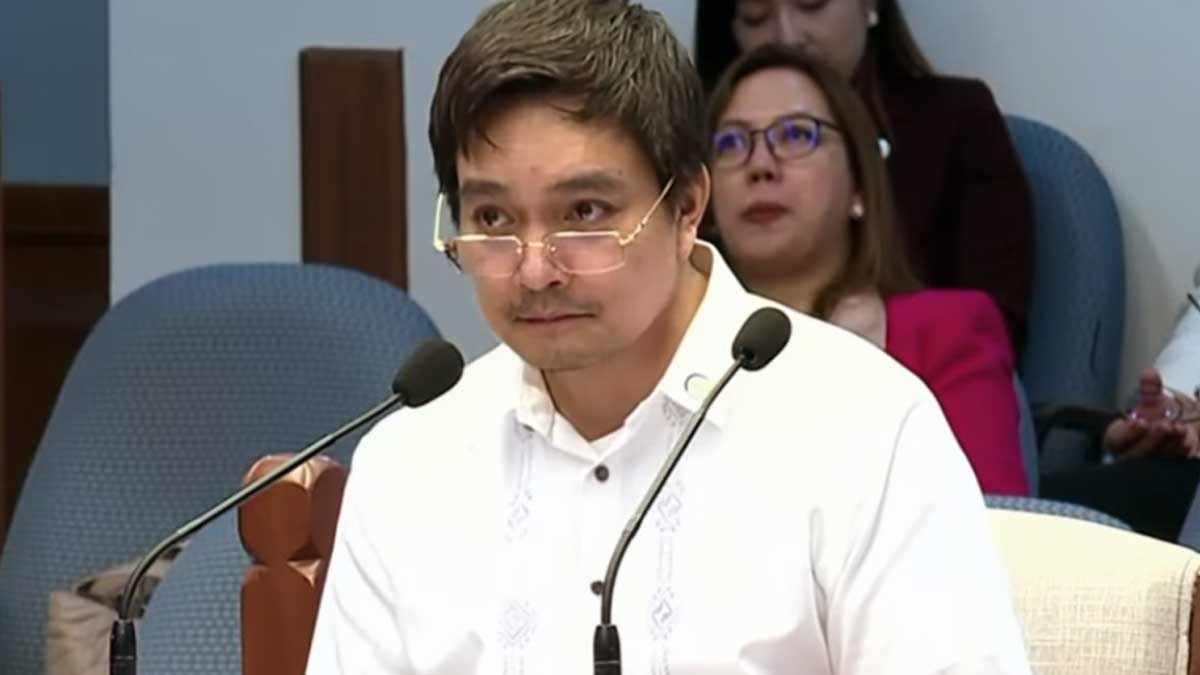
The Philippine political crisis deepened on Tuesday as a senior investigator for the National Bureau of Investigation asserted that evidence collected during his probe substantiates claims linking Vice President Sara Duterte to an alleged assassination plot against President Ferdinand Marcos Jr. However, in a critical concession under intense cross-examination, NBI Regional Director Jeremy Lotoc admitted to lacking direct personal knowledge that Duterte had actually hired someone to carry out such threats.
Lotoc, who headed the NBI's Crime Division when the investigation commenced, offered this qualified assessment during the ongoing impeachment trial of the Vice President at the Senate. His testimony centred on explosive remarks Duterte made during a public online media briefing on November 23, 2024, when she declared an intention to have the president, first lady Liza Araneta-Marcos, and former House Speaker Martin Romualdez killed. Those statements became the foundation of the fourth article of impeachment filed against her by opposition lawmakers and civil society groups seeking her removal from office.
The investigator's position represents a delicate balance between asserting investigative conclusions and acknowledging evidentiary limitations. When pressed by Duterte's defense counsel Mark Vinluan on whether he possessed tangible proof of a hiring contract, Lotoc repeatedly retreated to the formulation that the NBI "believes" such an arrangement occurred based on gathered evidence, rather than conclusive proof. This distinction carries substantial legal weight in impeachment proceedings, where the burden of establishing guilt differs from criminal trials and where credibility and circumstantial connection matter significantly.
The Senate hearing room itself became a site of procedural tension as both prosecution and defense teams clashed over the interpretation of Duterte's statements and the inferences drawn from them. When Vinluan attempted to challenge the investigator about corruption allegations Duterte had levelled against certain congressional figures in the same video, suggesting these claims required substantiation, private prosecutor Amando Ligutan objected strenuously. Presiding officer Senator Francis "Chiz" Escudero eventually intervened with visible frustration, cautioning the lawyers that the proceedings resembled neither a college debate nor a venue for rhetorical jousting, and directing witnesses to provide unambiguous, specific responses.
Lotoc's testimony illuminated the investigative methodology underlying the case. He confirmed that the NBI had documented the existence and content of Duterte's utterances in the November video, thereby establishing what was actually said. However, establishing that inflammatory statements were made differs substantially from proving criminal intent, contractual arrangements with third parties, or capability to execute threats. The investigator acknowledged this distinction when Vinluan pressed him on the lack of personal knowledge regarding any assassination contract, forcing Lotoc to concede he could not directly verify this claim through independent means.
Senate President Sherwin Gatchalian's questioning shifted focus toward capability, asking Lotoc what concrete evidence demonstrated that Duterte possessed the means and resources to carry out assassination. When Lotoc initially suggested her vice-presidential position itself constituted evidence of capability, Gatchalian pointedly objected, noting that holding high office does not automatically translate to possessing either the will or the practical means to commit murder. This exchange highlighted a logical gap in the investigative narrative—the distinction between motive, opportunity, and actual capacity to execute violence.
In response to Gatchalian's persistent questioning, Lotoc pivoted to the historical record of Duterte's father, former President Rodrigo Duterte, who currently faces allegations before the International Criminal Court regarding extrajudicial killings allegedly perpetrated during his administration's aggressive anti-narcotics campaign. The investigator argued that given her family background and exposure to such activities, Sara Duterte possessed demonstrated capability to commission violence. This inference—that a family member's alleged criminal history establishes another person's capacity or likelihood to commit similar acts—represents circumstantial reasoning that legal experts across the Philippines have debated intensely.
The invocation of the elder Duterte's ICC case reflects how the present impeachment trial has become entangled with broader questions of accountability for the previous administration. The ICC allegations remain deeply contentious within Philippine political and legal circles, with supporters of the Duterte presidency dismissing them as foreign interference while critics view them as essential accountability mechanisms. By linking Sara Duterte's alleged threats to her father's historical actions, investigators have attempted to establish a pattern or predisposition within the family toward extrajudicial violence.
The proceedings thus far suggest that the prosecution's case relies substantially on connecting circumstantial pieces—Duterte's public statements, investigative conclusions about her intentions, and family history—rather than documentary evidence of an explicit assassination contract. This structural reality places considerable weight on witness credibility and the Senate's willingness to draw inferences from indirect evidence. In impeachment trials, which operate under a different evidentiary standard than criminal proceedings, such circumstantial chains can prove more persuasive than in ordinary courts.
For Malaysian observers monitoring regional political developments, the Duterte impeachment trial represents a significant constitutional moment in Philippine democracy. It demonstrates both the resilience of institutional checks on executive power and the deep fissures within Philippine politics. The trial's outcome will influence not only the immediate political landscape but also broader questions about accountability for sitting officials and the relationship between the executive and legislative branches across Southeast Asia.
The cross-examination strategies employed by both sides reflect fundamental disagreements about what constitutes sufficient evidence in high-stakes political trials. The defense's repeated demands for personal knowledge and direct proof contrast sharply with the prosecution's reliance on professional investigative conclusions and circumstantial inference. As the trial continues, the Senate must ultimately decide whether the accumulated evidence meets whatever threshold they establish for removing a sitting vice president from office.

