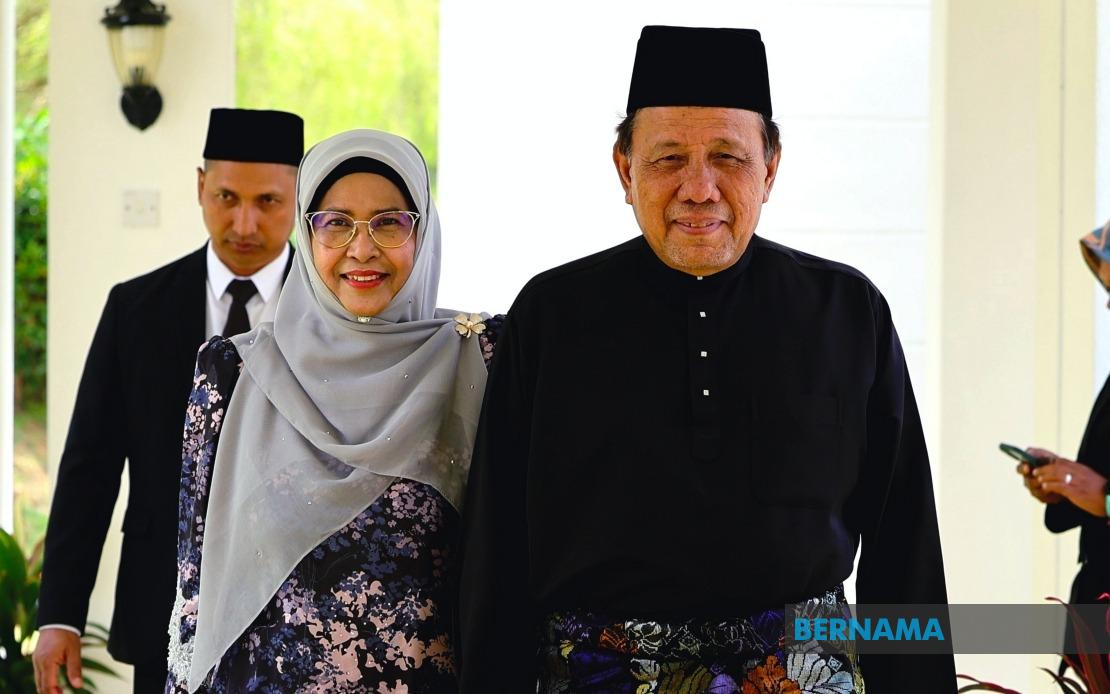
Negeri Sembilan residents will enjoy an extra day of rest tomorrow following the state government's decision to declare August 3 an occasional public holiday. The announcement came from newly appointed Menteri Besar Datuk Ismail Lasim, who emphasized the gesture as recognition of the people's participation and contributions to the successful completion of the 16th state election held yesterday. The decision carries the explicit approval of Tuanku Muhriz Tuanku Munawir, Yang Dipertuan Besar of Negeri Sembilan, underscoring the collaborative approach in the state's governance structure.
During his inaugural press conference as Menteri Besar, Ismail articulated that the holiday served a dual purpose: acknowledging the electorate's engagement while providing much-needed respite to citizens fatigued by the electoral process. The 67-year-old leader took his oath of office before the Yang Dipertuan Besar at Istana Besar Seri Menanti in Kuala Pilah earlier today, marking the formal conclusion of the election administration phase. His remarks reflected gratitude to the royal institution for facilitating both his appointment and the holiday declaration, demonstrating the continued constitutional significance of the sultanate in state affairs.
The electoral outcome delivered a decisive mandate for coalition governance in Negeri Sembilan. Barisan Nasional emerged as the dominant force by securing 18 of the 36 contested seats, while Perikatan Nasional captured seven seats. This combined tally of 25 seats grants the two coalitions a commanding two-thirds majority in the State Legislative Assembly, substantially exceeding the 19 seats required for simple majority control. Such a substantial combined majority typically affords the government considerable legislative flexibility and reduces the likelihood of procedural obstruction in the assembly.
The electoral process itself involved considerable organizational complexity and public participation. A total of 103 candidates competed across the 36 state constituencies, translating to an average of approximately three candidates per seat and reflecting robust inter-party competition. This candidate density suggests competitive contests across multiple constituencies and indicates active engagement from various political formations seeking representation in the Negeri Sembilan legislature. The successful conduct of elections across the state, despite the usual logistical and administrative challenges, warranted recognition according to Ismail's perspective.
For Malaysian readers, the Negeri Sembilan outcome represents one element in the broader tapestry of state-level politics following the 15th general election. The coalition arrangement between Barisan Nasional and Perikatan Nasional at the state level reflects dynamics that have emerged in various Malaysian states, where traditional party alignments have shifted. This collaboration suggests pragmatic power-sharing arrangements that transcend historical party divisions, a pattern increasingly visible across Malaysian governance structures in recent years.
The holiday declaration, while ceremonial in nature, carries subtle political messaging. By immediately granting citizens respite following the election, the new administration signals attentiveness to public welfare and gratitude for democratic participation. This gesture, though modest, establishes early expectations about the government's responsiveness to constituent needs. In Malaysian political tradition, such acknowledgments of public contribution tend to generate goodwill during the nascent stages of an administration's tenure.
Ismail's repeated acknowledgment of royal consent throughout his press remarks emphasizes the constitutional framework within which executive authority operates in Malaysian states. The Yang Dipertuan Besar's role extends beyond ceremonial functions, encompassing significant constitutional prerogatives including the acceptance of ministerial appointments and the granting of executive decisions. This institutional emphasis reflects the particular constitutional character of Malaysian monarchy, where state rulers retain substantive constitutional powers despite the democratic framework.
The 16th Negeri Sembilan state election marked a significant moment in the state's democratic cycle, with electoral patterns potentially indicating shifts in voter preference or coalition preference. The relatively strong showing by Perikatan Nasional, a comparatively newer political coalition at the national level, in securing seven seats demonstrates its capacity to mobilize support even in established political strongholds. Conversely, Barisan Nasional's maintenance of substantial representation reflects the coalition's continued electoral viability despite various national-level controversies and leadership transitions.
Looking forward, the substantial majority secured by the coalitioned government provides Ismail with considerable latitude in pursuing the state development agenda. However, the presence of significant opposition representation ensures continued legislative scrutiny and debate. For Malaysian observers tracking state-level governance dynamics, the Negeri Sembilan configuration offers insights into contemporary coalition mechanics and voter behavior patterns that may resonate across other state legislatures currently preparing for electoral contests or managing coalition arrangements.
The holiday announcement also signals administrative capability and responsiveness. By securing royal approval and implementing the declaration within hours of taking office, the new Menteri Besar demonstrated competence in navigating the state's constitutional machinery. Such efficiency in the initial days of governance often sets expectations for subsequent administrative performance and public service delivery. For residents of Negeri Sembilan, the immediate tangible benefit of an additional day's rest provides concrete evidence of the new administration's orientation toward public interests, however symbolic the gesture may be.

