The 16th Negeri Sembilan State Election, scheduled for August 1, is shaping up as one of Malaysia's most competitive electoral contests, with a striking increase in multi-candidate races that reflects the country's increasingly fractured political landscape. Among the 36 state assembly seats contested, the composition of candidates reveals a significant departure from previous polling patterns, with three-cornered fights now dominating rather than serving as the exception. This shift underscores the growing role of smaller parties and independent candidates in reshaping electoral dynamics across the state.
Straight fights—the traditional two-candidate contests between major coalitions—have become considerably rarer in this election cycle. Only 11 of the 36 seats will feature such binary contests, a dramatic decline from the 27 straight fights recorded in the 2023 state polls. This erosion of two-way races signals that even in constituencies where major blocs historically dominated, third forces have now gained sufficient organisational capacity and political will to field candidates. The reduction reflects broader changes in voter behaviour and party strategy across Malaysia's political marketplace.
Three-cornered contests have surged to become the election's defining feature, with 21 seats now involving three candidates compared to just seven in 2023. These races typically pit Pakatan Harapan and Barisan Nasional representatives against Perikatan Nasional or Bersatu candidates, though the specific alignment varies by constituency. The prevalence of three-way battles creates unpredictable scenarios where even moderately popular incumbents face genuine vulnerability if opposition support fragments or consolidates behind a single challenger.
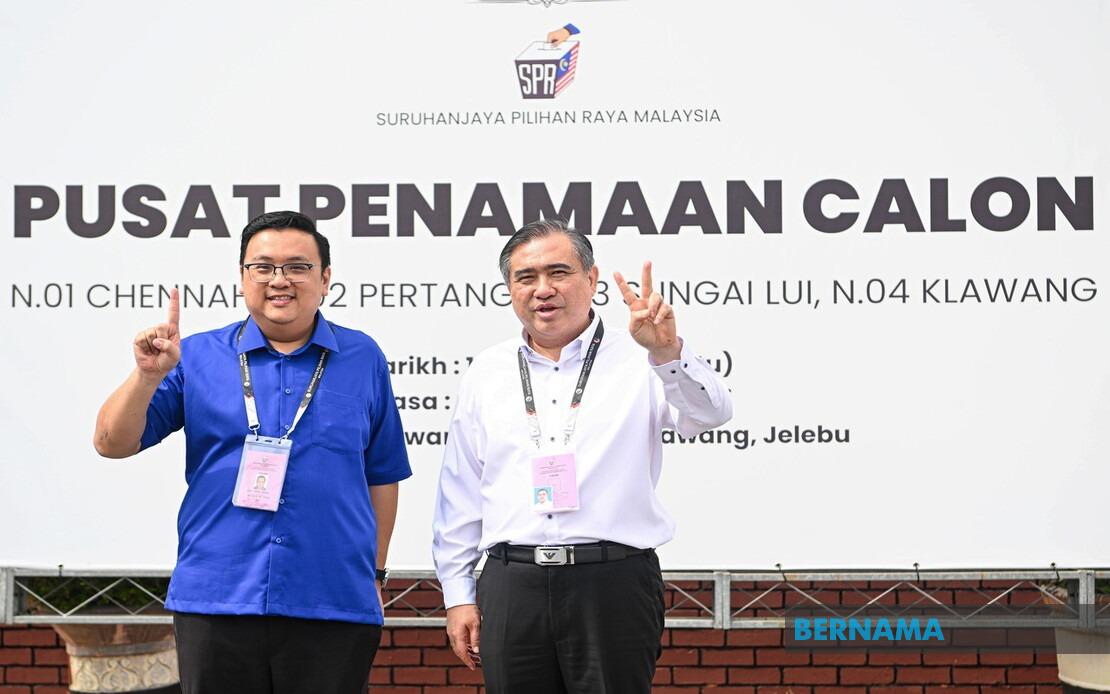
Prominent political figures will contest in these fragmented races, lending additional weight to local contests. Transport Minister Anthony Loke, who holds the position of DAP secretary-general, will defend the Chennah seat as Pakatan Harapan's candidate against BN opponent Siow Kong Choon in a straight fight. Meanwhile, Foreign Minister and UMNO deputy president Datuk Seri Mohamad Hasan will defend Rantau against PH challenger Dr Azizul Hakim Mahdi, another two-candidate contest. The presence of such senior figures demonstrates that even ministerial portfolios depend on successful state-level campaigns.
The Negeri Sembilan Menteri Besar himself, PKR vice-president Datuk Seri Aminuddin Harun, faces a considerably tougher electoral terrain. His Linggi seat involves a three-way contest against BN's Datuk Mohd Faizal Ramli and Bersatu's Zamri Md Said. This contest exemplifies the challenges facing PH leaders in states where Perikatan Nasional has established organisational footholds. Similarly, UMNO Liaison Committee chairman Datuk Seri Jalaluddin Alias must navigate a three-cornered fight in Pertang alongside PH and Bersatu candidates, suggesting that even state-level party leadership cannot guarantee comfortable victories.
Two constituencies will witness four-cornered contests, introducing additional complexity to an already fragmented electoral environment. Jeram Padang sees incumbent BN representative Datuk Mohd Zaidy Abdul Kadir challenged by candidates from PH, Bersatu, and notably, Parti Orang Asli Malaysia, reflecting the electoral participation of community-focused organisations. The Rahang seat similarly features a four-way battle between PH incumbent Siaw Meow Keong, BN challenger Yap Siok Moy, Bersatu's S. Thinagaran, and Parti Sosialis Malaysia's Tang Jay San, demonstrating the diversity of political movements now contesting state elections.
Most strikingly, two constituencies will feature five-cornered contests—an unprecedented development in Negeri Sembilan electoral history. The Nilai seat pits PH incumbent J. Arul Kumar against representatives from BN, Bersatu, Barisan Jemaah Islamiah Se-Malaysia (Berjasa), and an independent candidate. The Sri Tanjung seat similarly features five contenders, including PH incumbent Datuk Dr G. Rajasekaran, BN, Bersatu, and two independent candidates. These races present extraordinary complexity, where victory may require only a modest plurality of votes, fundamentally altering the nature of electoral competition.
The proliferation of independent candidates, visible particularly in five-cornered contests, indicates growing grassroots political mobilisation outside formal party structures. These individuals may represent specific community interests, personal political ambitions, or rejection of established party options by voters. Their participation complicates traditional coalition-based predictions and introduces elements of genuine uncertainty into constituency outcomes.
For Malaysian observers, the Negeri Sembilan election serves as a bellwether for national political trends. The dramatic increase in multi-candidate races suggests that Malaysia's two-coalition framework—historically structured around PH versus BN—faces genuine fragmentation as Perikatan Nasional and smaller parties carve out electoral space. This fragmentation creates both opportunities and risks: while it democratises political competition and expands voter choice, it may also produce outcomes where governments lack clear mandates or face governance challenges from deeply divided state assemblies.
The Election Commission has scheduled early voting for July 28, with 889,490 electors eligible to participate across the state. This figure encompasses 867,151 ordinary voters alongside 16,884 military personnel and spouses, and 5,455 police officers. The inclusion of service personnel voting reflects Malaysia's institutional approach to ensuring uniformed services participate in democratic processes.
The electoral architecture in Negeri Sembilan mirrors broader Southeast Asian patterns where established two-party or two-coalition systems face pressure from diverse political movements. Thailand's fragmented parliament, Indonesia's proliferation of parties, and the Philippines' personalised politics all reflect similar dynamics. Understanding how Malaysian voters navigate multi-candidate races in Negeri Sembilan offers insights into whether Malaysia's political system can accommodate genuine multi-party competition while maintaining stable governance and clear electoral mandates.

