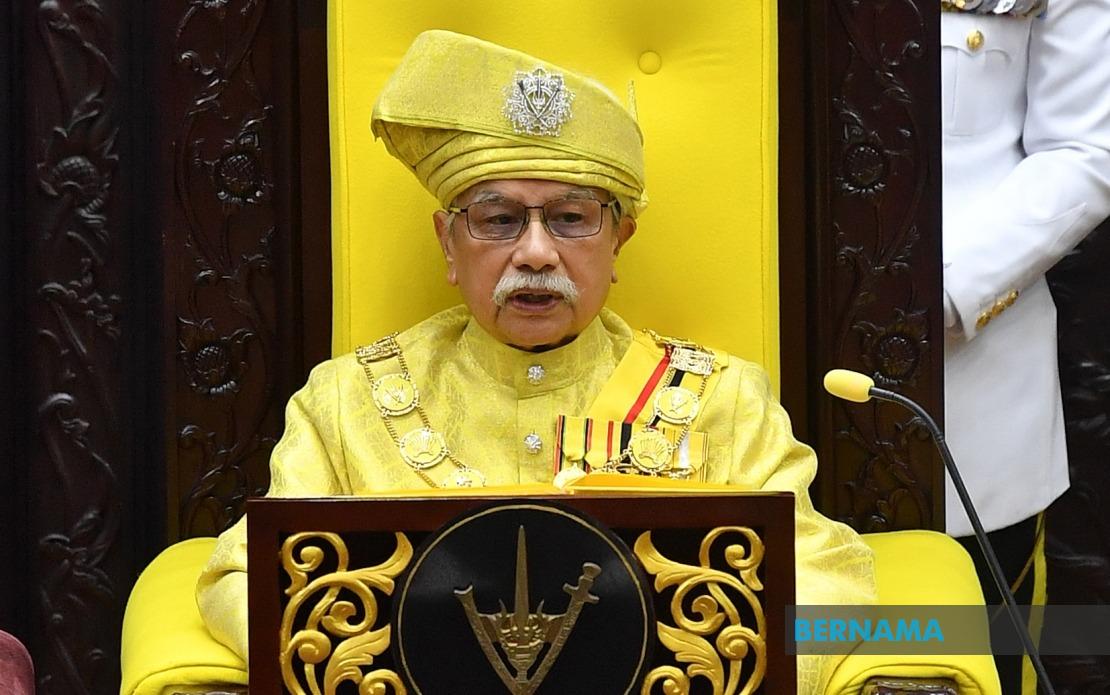
The Yang Dipertuan Besar of Negeri Sembilan, Tuanku Muhriz Tuanku Munawir, has granted consent for a formal royal audience ceremony to recognise the installation of the new Undang of Luak Rembau at Istana Besar Seri Menanti on Saturday. The ancient ceremonial process, known as Istiadat Menghadap Menjunjung Duli Bagi Menyempurnakan Kejadian Undang Luak Rembau, marks the culmination of a succession process rooted in centuries-old Negeri Sembilan customs. The decision to hold the ceremony was conveyed through Tunku Ali Redhauddin Tuanku Muhriz, the Tunku Besar Seri Menanti, during a meeting with the Datuk-Datuk Adat of Rembau at the state palace.
Hassan Ab Hamid, aged 67, has been selected as the 22nd Undang of Rembau following the passing of his predecessor, Datuk Lela Maharaja Datuk Muhamad Sharip Othman, who died on May 15, 2024, at the age of 83. The selection was conducted through the Kerapatan Buapak Delapan ceremony of the Biduanda Nan Dua Carak customary clan, with Datuk Juan Datuk Zulkipli Shamsudin serving as chairman of the proceedings. The rigorous adat selection process underscores the importance placed on maintaining institutional continuity within Negeri Sembilan's unique traditional governance structures, which have endured for centuries and continue to shape how leadership positions are determined within the state's administrative and cultural framework.
A critical aspect of this succession is the distinction between the selection process and the formal recognition ceremony. Under the Adat Perpatih system, which governs Negeri Sembilan's customary practices, the Yang Dipertuan Besar does not directly appoint an Undang. Instead, the ruler's role is limited to receiving delegations from the luak, or traditional administrative division, and granting formal consent and recognition once the community has reached its decision through established customary procedures. This constitutional arrangement reflects a sophisticated balance between royal authority and community self-determination that has been embedded in Negeri Sembilan's governance for generations.
Zulkipli emphasised that the selection of an Undang remains a matter entirely within the purview of the luak community itself, conducted according to time-honoured traditions that predate modern state administration. The Undang position carries significant responsibilities in maintaining customary law, arbitrating disputes according to adat principles, and serving as a custodian of cultural knowledge and practice within the luak. The appointment process therefore requires comprehensive knowledge of genealogy, adat law, and community standing—qualifications that cannot be assessed through conventional bureaucratic mechanisms but instead emerge through the collective judgment of adat leaders who understand the intricate social fabric of their communities.
The clarification regarding the nature of royal involvement in this process addresses potential misunderstandings about how customary succession operates in Negeri Sembilan. Some observers have mistakenly believed that the Yang Dipertuan Besar exercises discretionary power in selecting Undang leaders, when in reality the ruler's authority is ceremonial and confirmatory rather than determinative. This distinction is not merely semantic; it reflects fundamental principles of adat governance that have proven resilient across Malaysian history. The misunderstanding occasionally arises because outsiders are unfamiliar with the operation of customary systems that coexist alongside constitutional monarchy and parliamentary democracy.
The Saturday ceremony will represent the formal transition of authority and the public acknowledgment of Hassan Ab Hamid's new role as Undang. Such ceremonies serve multiple functions within Negeri Sembilan society: they provide the spiritual and cultural legitimacy necessary for an Undang to exercise authority, they allow the broader community to witness and accept the transition, and they reaffirm the continuity of customary institutions that remain central to the state's identity. The presence of the Yang Dipertuan Besar at the ceremony carries symbolic weight that reinforces the legitimacy of both the adat system and the individuals who lead within it.
For Malaysian readers, this event demonstrates how Negeri Sembilan continues to maintain traditional governance structures within the modern nation-state. Unlike many other regions where customary systems have been entirely supplanted by contemporary administrative frameworks, Negeri Sembilan has successfully preserved the Adat Perpatih as a functioning dimension of local governance. This preservation reflects both the strength of cultural continuity and the constitutional recognition in the Negeri Sembilan state constitution that acknowledges the validity of adat law and customary leadership. The state's experience offers insights into how traditional and modern systems can coexist and complement one another.
The Adat Perpatih system differs significantly from adat practices in other Malaysian states, making Negeri Sembilan a distinct case study in indigenous governance. The system's emphasis on communal decision-making and the limited personal discretion of rulers stands in contrast to more hierarchical models found elsewhere. An Undang's authority derives not from the benevolence of a patron but from the consensual recognition of the community that has selected them through time-tested procedures. This grassroots character of authority creates obligations toward the community that differ substantially from top-down administrative appointments.
The succession process also highlights the gendered and familial dimensions of adat governance in Negeri Sembilan. Traditional systems often involve complex rules regarding eligibility that take into account genealogical relationships, descent patterns, and family standing within the luak. These considerations, which might appear opaque to outsiders unfamiliar with customary law, reflect a sophisticated understanding of how to ensure that leaders possess the social credibility necessary to mediate disputes and make decisions that affect the entire community. The process cannot be accelerated or simplified without undermining its legitimacy.
Regional observers will note that Negeri Sembilan's approach to customary governance provides a model for how Southeast Asian states can maintain indigenous institutional practices while functioning as modern democracies. The Saturday ceremony will demonstrate this integration in action, as traditional adat procedures receive formal recognition from the contemporary state apparatus. The event will be attended by adat leaders, community representatives, and state officials, bringing together the different dimensions of Negeri Sembilan's plural institutional landscape. This convergence of traditional and modern authority structures will reinforce the state's distinctive position within Malaysia.
The new Undang will assume leadership of the luak at a time when interest in customary systems has grown across Southeast Asia and beyond, as communities seek to revive or strengthen traditional governance as a counterweight to centralising pressures. Negeri Sembilan's sustained commitment to adat institutions offers both practical experience and ideological resources for these broader movements. The ceremony this Saturday will therefore carry significance beyond the luak itself, signalling to other communities and policymakers that traditional systems remain viable, valued, and capable of adapting to contemporary contexts while maintaining their essential character and integrity.

