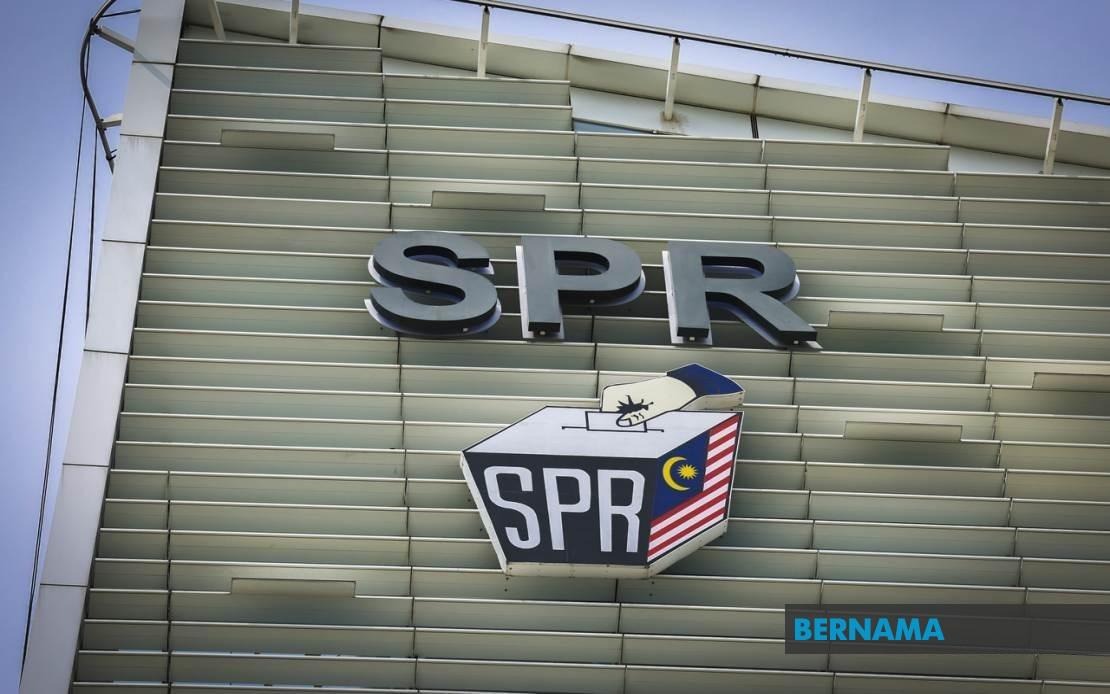
Negeri Sembilan embarks tomorrow on its 16th state election, with nomination day marking the formal start of a fortnight-long campaign that will determine control of all 36 state assembly seats. The electoral battle crystallises two years of shifting political alliances in the peninsular state, with eight nomination centres across Negeri Sembilan poised to receive candidate papers from 9 am to 10 am. By day's end, the Election Commission will publish the definitive roster of hopefuls cleared to contest, setting in stone the contests that voters will face on August 1, with early voting opportunities available on July 28.
The electoral franchise for this contest encompasses 889,490 registered voters across Negeri Sembilan, a cross-section that includes 867,151 ordinary citizens alongside 16,884 military personnel and their spouses and 5,455 police officers and their dependants. This voter base represents a substantial cohort for a state-level election and underscores the significance of ground organisation and campaign reach in the coming fortnight. The size of the electorate and its composition across the state's diverse constituencies will shape the strategies that contending coalitions deploy in their push for majority control of the 36-member assembly.
Packatan Harapan approaches this contest with a unified strategy, contesting every single seat across the state. The coalition deploys a three-way split, with PKR fielding 16 candidates, DAP putting forward 11, and Amanah contributing nine. This complete slate underscores PH's confidence in mounting a comprehensive challenge, building on the coalition's 2023 performance when it secured 17 of the 36 seats. The distribution of candidacies between the three parties reflects ongoing internal negotiations about seat allocations and perceived electoral strength in different constituencies, a crucial calculus in Malaysian coalition politics.
Barisan Nasional fields a more selective campaign, contesting 25 of the 36 seats rather than attempting a sweep. UMNO carries the bulk of the BN burden with 16 candidates, while MCA contributes seven and MIC supplies two. This targeted approach differs from PH's blanket strategy and reflects BN's assessment of its competitive position in the state. In the 2023 election, BN managed to secure 14 seats, trailing PH's 17, a result that informs both the party's candidate selection process and its realistic targeting of winnable constituencies.
Perikatan Nasional's approach fragments across multiple parties, with PAS fielding five candidates, Gerakan and the Malaysian Indian People's Party each contributing one, and Parti Wawasan Negara—the newest PN component party making its electoral debut—fielding four. This 11-seat campaign demonstrates PN's selective engagement with the contest and the coalition's reliance on various ethnic-based and Islamist components to build its candidate slate. However, Bersatu, technically a PN member, has charted an independent course, opting to contest under its own banner with candidate announcements expected yesterday, adding a layer of complexity to Islamist and Malay-centric opposition politics in the state.
Beyond the three main coalitions, several smaller parties vie for representation. Parti Orang Asli Malaysia and Parti Sosialis Malaysia each field single candidates, while Parti Barisan Jemaah Islamiah Se-Malaysia aims to contest seven seats. The presence of these fringe contestants reflects Malaysia's robust multiparty ecosystem, even at state level, though their realistic prospects of winning seats remain slim against the established coalitions. Notably, MUDA, Pejuang, and Bersama have opted against participation, a strategic calculation suggesting resource constraints or assessments that state-level contests do not align with their organisational priorities.
The Election Commission has issued practical guidance to intending candidates, urging advance scrutiny of nomination documents at Returning Officer offices to forestall last-minute procedural failures. Candidates are similarly encouraged to settle election deposit obligations early, bringing payment receipts to streamline the submission process. These administrative reminders underscore the technical precision required in Malaysia's election machinery and the importance of candidate preparedness in navigating formal requirements.
Weather forecasts from the Malaysian Meteorological Department indicate generally fair conditions across most areas on Saturday morning, with the exception of Port Dickson and Seremban, where precipitation is anticipated. Afternoon thunderstorms are expected statewide, a meteorological pattern that may influence nomination day logistics and voter behaviour during the campaign period. While weather rarely determines electoral outcomes, it can affect candidate visibility, campaign event attendance, and turnout on polling day.
The Negeri Sembilan assembly's dissolution on June 5, approved by Tuanku Muhriz Tuanku Munawir, the Yang Dipertuan Besar, initiated the electoral cycle now reaching its formal launch. This dissolution followed internal political developments within the state, reflecting broader instability in state-level politics across Malaysia where no single coalition has enjoyed extended periods of stable control. The 2023 result that produced a PH majority—albeit a narrow 17-seat plurality in a 36-member chamber—set expectations for this contest, though intervening political developments and campaign dynamics may alter electoral calculations.
For Malaysian voters and political observers, the Negeri Sembilan contest carries implications beyond the state itself. As an interior peninsular state with significant rural constituencies, Negeri Sembilan's electoral behaviour often foreshadows national political trends. The contest will test whether PH can consolidate its 2023 gains and edge toward a more commanding majority, whether BN can recover ground lost in that earlier vote, and whether PN can expand its footprint. The fortnight ahead will demonstrate the relative organisational strength of these coalitions, the resonance of their respective messages, and the voting preferences of a state population navigating Malaysia's evolving political landscape.

