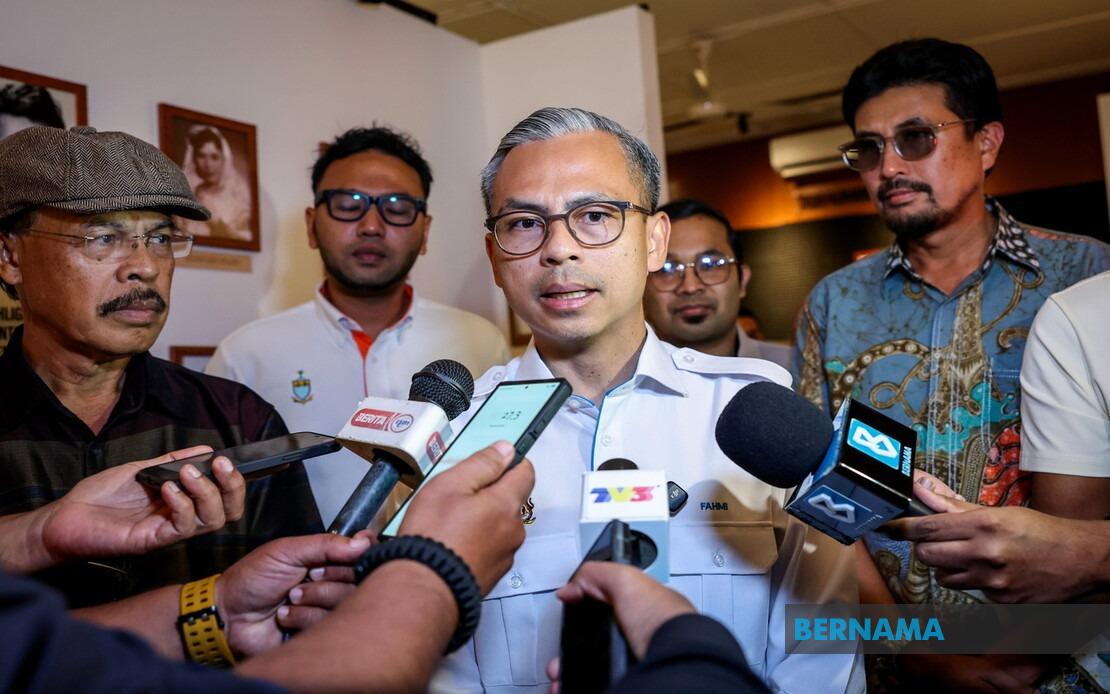
The spread of unverified information during electoral campaigns has become a pressing concern for Malaysian authorities, with Communications Minister Datuk Seri Fahmi Fadzil issuing a direct appeal to social media users in Negeri Sembilan to exercise heightened scrutiny when encountering online content. Speaking at an event in Bukit Mertajam on July 25, Fahmi emphasised that the current state election period demands particular vigilance from voters who consume news through digital platforms, underscoring the vulnerability of electoral discourse to manipulation through false narratives and deliberately misleading statements.
The minister highlighted a troubling pattern of information manipulation that has become increasingly common during campaign seasons across the region. Recycled content presented as breaking news, fabricated statements attributed to political figures, and out-of-context information resurfaced to serve contemporary political agendas all pose genuine threats to informed voter decision-making. Fahmi's cautionary message reflects broader frustrations within government and civil society about the challenge of maintaining information integrity when digital platforms enable rapid, unfiltered dissemination of content without editorial gatekeeping or fact-checking mechanisms.
Central to Fahmi's recommendation is a simple but powerful principle: mainstream media outlets, despite their own editorial perspectives, operate within professional frameworks that include source verification, corroboration requirements, and legal accountability for false reporting. He advised Negeri Sembilan residents to use this institutional reliability as a reference point when evaluating viral claims. If a significant development has not been reported by established news organisations, Fahmi cautioned, this gap itself should trigger suspicion rather than acceptance—the absence of mainstream coverage often signals that the claim lacks substantiation or stems from older events being recycled with contemporary framing.
The Malaysian Communications and Multimedia Commission (MCMC) has documented the tangible impact of misinformation during this campaign cycle. Since the Negeri Sembilan state election campaign commenced, the commission has fielded 16 reports specifically concerning false news, alongside additional complaints related to internet connectivity problems. While 16 reports may seem modest, they represent formally documented cases; the actual volume of misinformation circulating likely exceeds this figure substantially, as many false claims never reach regulatory bodies and instead spread quietly through private messaging groups and closed social networks.
One of the most insidious vectors for misinformation identified by Fahmi is the WhatsApp ecosystem, where users routinely receive information from contacts they trust without pausing to verify authenticity independently. This dynamic creates a false veneer of legitimacy—if a message arrives from a trusted friend or family member, recipients often assume it has been vetted, when in reality it may have simply been forwarded through multiple layers of networks. The intimacy and apparent credibility of peer-to-peer messaging on WhatsApp makes it particularly effective for spreading false narratives, as it bypasses the psychological filters people typically apply to information from unknown sources.
Acknowledging the shared responsibility for combating misinformation, Fahmi called upon media organisations themselves to adopt more proactive stances in identifying and debunking false claims circulating on social platforms. Rather than waiting for formal complaints, news outlets can leverage their credibility and editorial expertise to systematically address viral misinformation before it entrenches itself in public consciousness. This collaborative approach recognises that no single actor—not government regulators, not technology platforms, not individual consumers—can single-handedly solve the misinformation challenge; instead, it requires coordinated effort across institutions.
The government's renewed focus on information verification during election periods carries particular significance for Southeast Asia's political landscape. Malaysia, like several neighbouring democracies, has experienced instances where false information demonstrably influenced electoral outcomes or inflamed communal tensions. The stakes extend beyond individual elections; sustained misinformation campaigns can erode public trust in democratic institutions, reduce voter participation among those confused by contradictory claims, and polarise societies along increasingly fractured informational divides. By promoting media literacy and institutional verification methods now, Malaysian authorities aim to strengthen electoral resilience.
Fahmi's visit to the Nordin Ahmad Karyawan Gallery at Sekolah Kebangsaan Permatang Pasir, accompanied by National Film Development Corporation Malaysia (FINAS) chief executive Datuk Azmir Saifuddin Mutalib and Karyawan Pulau Pinang president Datuk Dr Sohaimi Abdul Aziz, underscored the multi-stakeholder nature of this initiative. Cultural and film institutions, while seemingly removed from electoral politics, play crucial roles in shaping narratives and media literacy within society. Their involvement signals recognition that countering misinformation is not merely a technical communications challenge but requires coordination across cultural, educational, and institutional spheres.
The timing of these warnings reflects election campaign intensification, when political actors have heightened incentives to deploy false narratives strategically. Voters in Negeri Sembilan should interpret the minister's guidance not as paternalistic instruction but as practical navigation advice for an information environment that has become genuinely treacherous. The distinction between mainstream media reporting and unverified social media claims represents perhaps the most reliable heuristic available to ordinary citizens attempting to distinguish fact from fabrication amid the deluge of electoral information.

