The contest to govern Negeri Sembilan officially shifted into high gear on July 18 as the nomination process for the 16th state election unfolded simultaneously across eight locations throughout the state. Beginning at 9 am, prospective candidates rushed to meet the 10 am deadline to lodge their nomination papers with Returning Officers, marking the formal start of what is expected to be a fiercely contested race for control of the state's legislative assembly.
The Election Commission had already licensed significant interest in the contest before nomination day arrived. By the day prior, 464 nomination forms had been distributed to interested parties, while 70 prospective candidates had already secured their participation by paying the mandatory election deposits. These figures suggest a moderately competitive field across the 36 available seats, though the actual number of candidates would not be confirmed until the EC released the official list of eligible contenders following the close of nominations.
Once the list of validated candidates is publicly announced, attention will turn to the intensive 14-day campaign sprint set to conclude at 11.59 pm on July 31. This compressed timeframe will see political parties, candidates, and their supporters mobilise across the state to persuade voters of their vision for Negeri Sembilan's future. The campaign period represents a crucial window in which parties must consolidate support and respond to emerging issues before the ballot approaches.
The Electoral Commission has scheduled early voting for July 28, allowing those unable to vote on polling day to cast their ballots in advance. The main election itself is set for August 1, following the dissolution of the Negeri Sembilan State Legislative Assembly on June 5, which occurred with the formal consent of the Yang Dipertuan Besar of Negeri Sembilan Tuanku Muhriz Tuanku Munawir. This sequence of dates has been carefully choreographed to ensure adequate time for campaigning while maintaining momentum toward a decisive outcome.
Nearly 900,000 residents are entitled to participate in this electoral exercise. The eligible voter roll comprises 867,151 ordinary citizens, 16,884 military personnel and their spouses, and 5,455 police personnel and their spouses. This substantial electorate means that victory will be determined by the ability of political organisations to appeal across diverse demographic groups and geographic constituencies spread throughout the state.
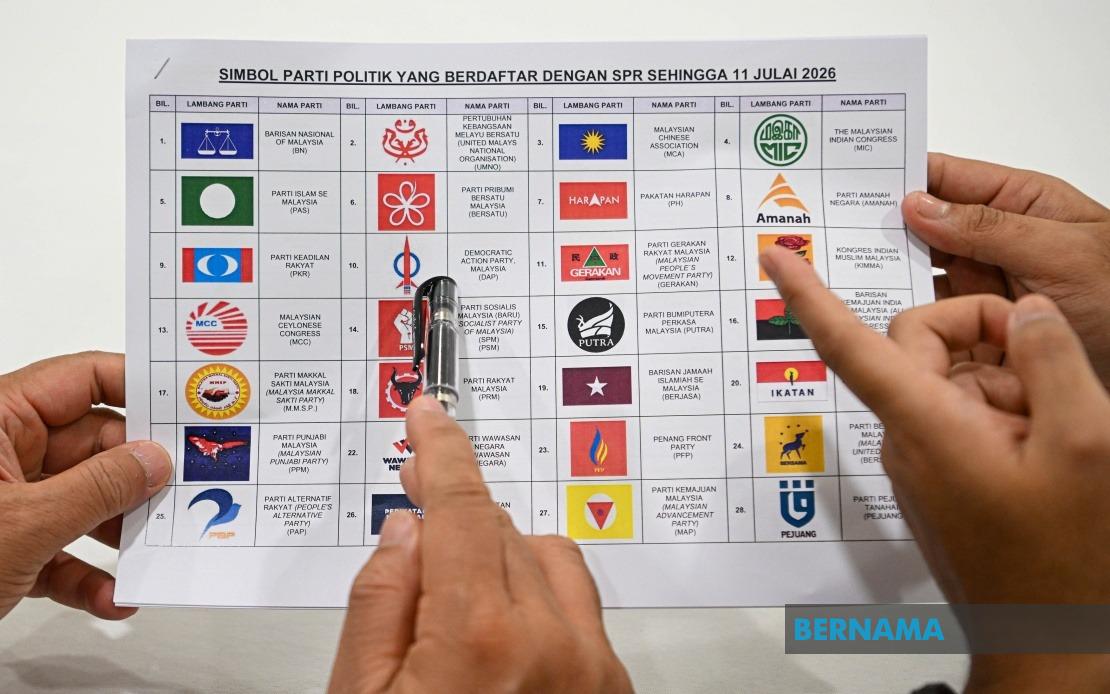
The competitive landscape reflects a state where political fortunes remain fluid. Pakatan Harapan has committed to contesting all 36 seats, reflecting confidence in its statewide appeal. Barisan Nasional is fielding candidates in 25 seats, indicating a more selective approach, while Perikatan Nasional plans to contest 11 seats. Additionally, several smaller parties including Parti Orang Asli Malaysia, the Socialist Party of Malaysia, and Parti Barisan Jemaah Islamiah Se-Malaysia will each field single candidates, broadening the ideological spectrum on offer to voters.
Perhaps most notably, Parti Pribumi Bersatu Malaysia will contest 24 seats, including two candidates fielded under its banner by Parti Bersepakat Hak Rakyat Malaysia. This alliance structure reflects the complex coalition dynamics that characterise Malaysian electoral politics, where formal partnerships and seat-sharing arrangements often determine the actual competitive architecture beneath the surface of party labels.
These configurations carry direct implications for the outcome. The 2023 election demonstrated that no party can claim undisputed dominance in Negeri Sembilan. Pakatan Harapan won 17 of the 36 seats, Barisan Nasional secured 14, and Perikatan Nasional obtained five. This fragmented result illustrates how narrowly distributed support has become and how pivotal swings in even a handful of constituencies could determine control of the state government.
Security arrangements underscore the significance authorities attach to the election. The Negeri Sembilan police have deployed 4,800 officers and personnel for election day operations, supplemented by an additional 1,373 personnel from Bukit Aman headquarters. This substantial security presence reflects both the importance of maintaining order during the electoral process and the density of public activity expected during nomination day and throughout the campaign period. Large crowds of party supporters, candidates, and political leaders are anticipated at the eight nomination centres as organisations showcase their candidates and energise their grassroots supporters.
The Election Commission has explicitly reminded all candidates and their supporters to respect established protocols and refrain from provocative conduct that could compromise the integrity of the nomination process. These directives aim to channel the inevitable intensity of electoral competition into legitimate channels while preventing incidents that might undermine public confidence in the democratic exercise.
Weather patterns may influence participation and campaigning activity. The Malaysian Meteorological Department forecast generally fair conditions across most areas during the morning hours of nomination day, with rainfall expected in Port Dickson and Seremban. Afternoon thunderstorms are anticipated statewide, potentially affecting the movement of candidates and supporters throughout the day and creating logistical challenges for campaign activities scheduled during evening hours.
The 16th Negeri Sembilan state election will ultimately serve as a referendum on recent governance and a vehicle through which residents can reshape the state's political direction. The competitive positioning of three major coalitions, combined with the participation of smaller parties offering alternative visions, ensures that voters will face genuine choices rather than a predetermined outcome. How these competing appeals will resonate across the diverse electorate remains the central question as the campaign period approaches.

