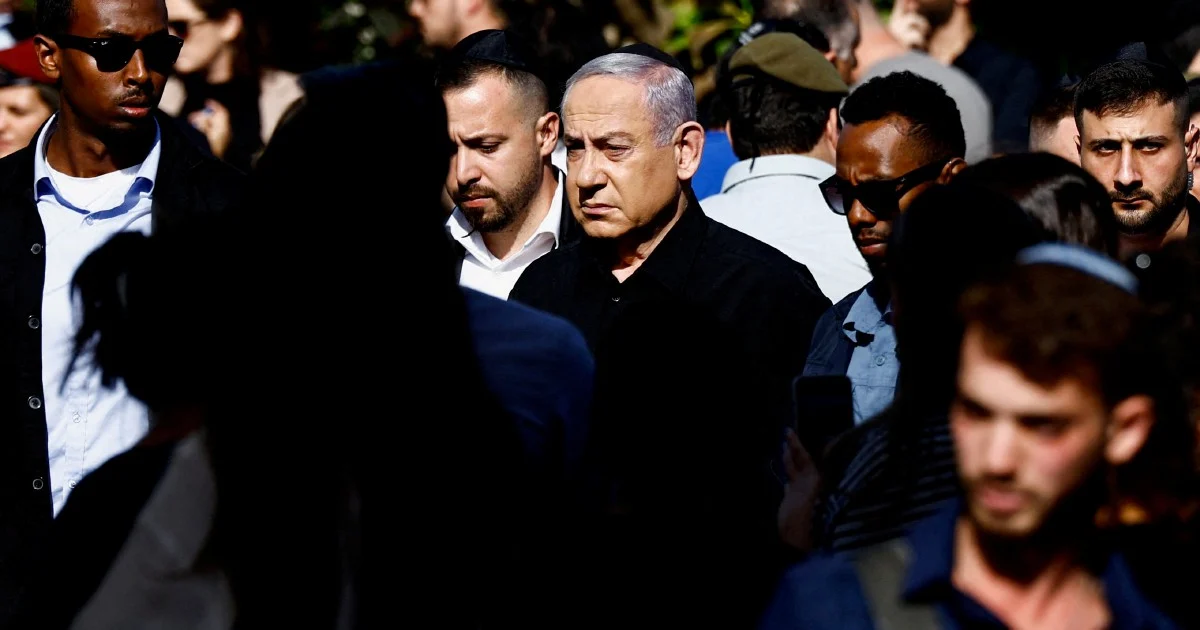
Prime Minister Benjamin Netanyahu has wrapped up his testimony in the corruption cases against him, according to a statement from Israel's justice ministry released on Wednesday. The completion of this phase represents a noteworthy juncture in proceedings that have cast a prolonged shadow over Israeli politics and governance during his premiership.
The legal proceedings against Netanyahu have centred on allegations of graft spanning multiple cases, with the testimony sessions representing one of the most intensive and closely scrutinised aspects of the trial process. The conclusion of his testimony means the prosecution and defence are moving toward subsequent phases of litigation that will determine the ultimate outcome of these high-stakes legal battles. Throughout the trial process, Netanyahu has maintained his innocence and characterised the charges as politically motivated efforts to remove him from office.
The timing of this legal milestone carries particular significance given the concurrent geopolitical challenges confronting Israel. The country is grappling with considerable anxiety regarding a nuclear agreement between the United States and Iran that many Israeli officials and analysts view as fundamentally detrimental to Israeli security interests. This dual pressure—managing domestic legal jeopardy while addressing perceived threats to national security—has created an exceptionally complex environment for the Prime Minister and his government.
For Malaysian observers of regional affairs, the Netanyahu trials reflect broader patterns seen across democracies where political leaders face legal challenges while simultaneously managing national governance. The intersection of domestic legal processes and foreign policy decision-making presents persistent governance tensions in polarised political contexts. Malaysia's own experience with political trials and prosecutions offers comparative perspective on how institutional independence can be tested when sitting leaders face criminal charges.
Israel's security establishment has expressed profound concerns about the Iran nuclear agreement's implications for the Middle Eastern balance of power. Officials argue that the accord potentially provides Iran with pathways to nuclear weapons development while lifting economic sanctions that have constrained its regional activities. These anxieties have shaped public discourse and political positioning within Israel, with the Netanyahu government emphasising its commitment to confronting what it characterises as existential threats.
The legal proceedings against the Prime Minister have unfolded across multiple corruption cases, each involving distinct allegations and evidence. The testimony phase demanded Netanyahu's personal attendance and detailed responses to prosecution questions, a requirement that has periodically drawn him away from immediate governmental duties. Israeli courts have maintained the trial schedule despite Netanyahu's official responsibilities, reflecting judicial commitment to equal treatment under law regardless of a defendant's political position.
Domestically, the trials have remained contentious within Israeli society, with supporters viewing them as examples of politically weaponised justice and critics maintaining that no one, regardless of status, should escape legal accountability. This polarisation mirrors divisions across several regional democracies concerning institutional independence and the rule of law. The proceedings continue to generate substantial media attention and public debate about governance standards and accountability mechanisms in Israeli democracy.
The regional context surrounding Iran policy adds layers of complexity to Netanyahu's political position. Many Israelis share government concerns about Iranian expansionism and nuclear ambitions, creating a constituency that views aggressive positioning on Iran as legitimate national security policy. However, critics contend that politicisation of security concerns sometimes serves domestic political purposes, a tension that appears evident in the juxtaposition of his legal difficulties and security-focused messaging.
Southeast Asian analysts monitoring Israeli politics recognise parallels to regional leadership challenges. Several nations in Asia confront comparable dynamics where leaders simultaneously navigate legal vulnerabilities, parliamentary governance, and external security threats. The Netanyahu case illustrates how these pressures interact and influence decision-making, sometimes blurring the lines between necessary security measures and politically motivated actions.
Moving forward, the trial process will continue through additional phases as both prosecution and defence present further evidence and arguments before the Israeli judiciary. The completion of Netanyahu's testimony removes one procedural obstacle but leaves substantial judicial work ahead. The ultimate verdicts and their timing remain uncertain, but the trials will continue shaping Israeli political discourse and international perceptions of Israeli governance throughout this process.
For regional stability considerations, the resolution of Netanyahu's legal situation carries implications beyond Israel's borders. His potential removal through legal conviction, electoral defeat, or acquittal would reshape Israeli policy toward Iran, Palestinian territories, and neighbouring states. These outcomes matter substantially for international relations throughout the Middle East and for broader geopolitical alignments that Southeast Asian nations monitor carefully regarding security and trade implications.

