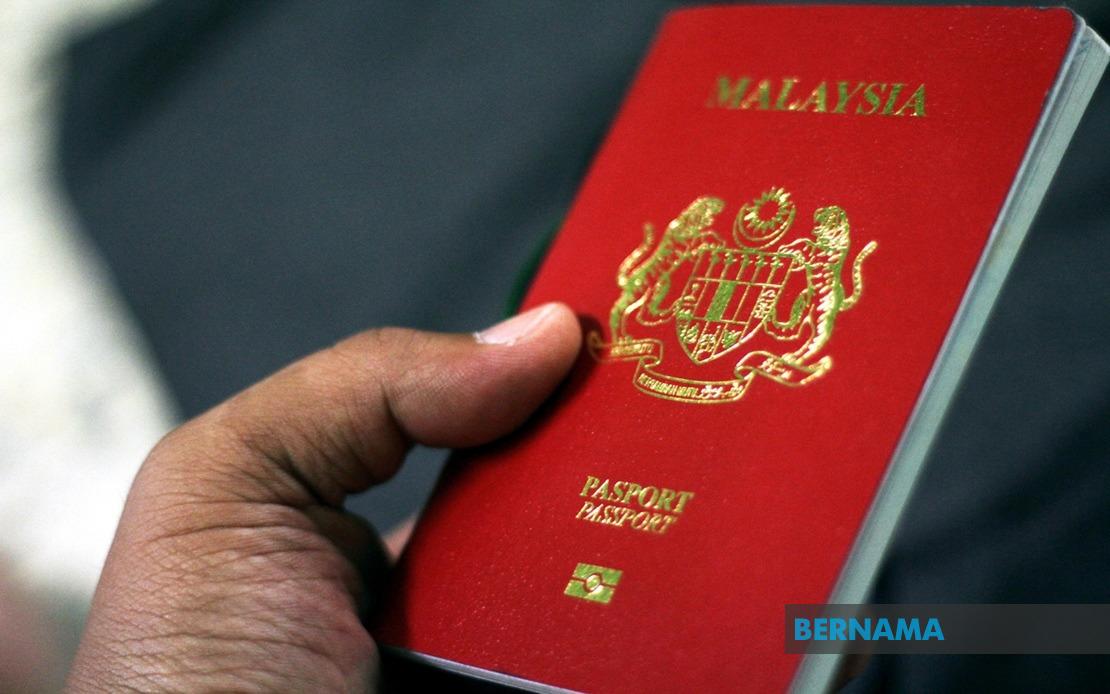
Prime Minister Datuk Seri Anwar Ibrahim will unveil a substantially redesigned Malaysian International Passport at Parliament tomorrow, marking a significant advancement in the country's document security infrastructure. The new travel document incorporates 94 distinct security features, representing a near-doubling of protective measures compared to the current version's 49 features. This upgrade reflects the government's commitment to maintaining Malaysia's position among the world's most secure and respected passport systems.
The enhancement addresses growing concerns about document fraud and identity theft in an increasingly digital world where sophisticated counterfeiting poses substantial risks to both national security and individual travellers. By substantially expanding the security architecture embedded within the passport's physical structure, Malaysia aims to deter potential forgers while ensuring faster and more reliable authentication at border crossings and immigration checkpoints internationally.
Among the newly incorporated security enhancements are advanced holographic elements that shift appearance when viewed from different angles, making unauthorised duplication extraordinarily difficult. Ultraviolet printing technology has been integrated throughout the document, revealing hidden patterns visible only under specialised scanning equipment. These measures work in concert to create multiple layers of defence that would-be counterfeiters would need to overcome simultaneously.
The redesigned passport also incorporates sophisticated hidden visual elements distributed across various pages, visible only to trained immigration personnel using appropriate detection tools. Additionally, several specialised forensic security features have been embedded to aid investigators in identifying forged documents and establishing authenticity with certainty. These forensic markers serve as unique identifiers that distinguish genuine Malaysian passports from counterfeits regardless of how technically proficient the forgery attempt may be.
Securing the binding thread itself represents an often-overlooked but critical innovation. The thread holding the passport booklet together has been specially designed with integrated security features, preventing the traditional method of separating and recombining pages from different documents. Each individual page has received careful design attention, with unique layouts that make it nearly impossible to substitute pages from older passports into new ones without detection.
This initiative forms part of a broader government modernisation programme announced earlier this year by Home Minister Datuk Seri Saifuddin Nasution Ismail. Beyond passport upgrades, the government plans to introduce redesigned versions of the MyKad national identity card, implementing similar comprehensive security enhancements across Malaysia's identity document ecosystem. This coordinated approach recognises that comprehensive national security requires protecting multiple document types simultaneously rather than addressing vulnerabilities piecemeal.
Malaysia's investment in passport security reflects its standing in the global travel hierarchy. According to the latest Passport Index rankings for 2025, the Malaysian International Passport ranks as the world's third most powerful travel document, granting Malaysian citizens visa-free or visa-on-arrival access to an extensive network of countries. Maintaining and enhancing this powerful status requires continuous investment in security measures that assure the international community of the passport's authenticity and reliability.
The timing of this launch carries significance for regional perception. Southeast Asian nations face particular scrutiny from developed countries regarding document security standards. By proactively upgrading passport security rather than waiting for international criticism or incidents, Malaysia demonstrates leadership within the region and signals to global partners that it takes document integrity seriously. This proactive stance typically results in smoother diplomatic relations and may influence discussions regarding visa policies and immigration reciprocity.
For Malaysian travellers, the practical implications are substantial. Enhanced security features mean faster processing at international borders as immigration officers can more readily verify authenticity. Business travellers, diplomats, and leisure tourists will benefit from reduced delays caused by suspicious document examinations or verification requests. The improved passport also offers personal protection against identity theft, as the sophisticated security features make it virtually impossible for criminals to create fraudulent versions that would withstand professional inspection.
The implementation of 94 security features represents a quantum leap in defensive capability but also reflects the escalating sophistication of forgery techniques globally. As technology advances, document criminals employ increasingly clever methods to replicate security features. Malaysia's response—essentially doubling the number of protective layers—ensures that the nation remains ahead of this technological arms race. The sheer complexity of simultaneously replicating 94 distinct security measures makes forgery economically unviable for all but the most sophisticated criminal organisations.
International cooperation has likely influenced this security upgrade. Malaysian officials regularly participate in forums with counterparts from other countries with highly-ranked passports, sharing information about emerging threats and effective countermeasures. The specific features chosen for the new passport probably reflect lessons learned from attempted forgeries, feedback from immigration systems worldwide, and assessment of emerging counterfeiting techniques. This knowledge-sharing among trusted partners ensures that security enhancements address real-world threats rather than theoretical vulnerabilities.
The launch event at Parliament carries symbolic weight beyond the practical announcement. Holding the ceremony in the nation's legislative chamber emphasises the government's commitment to border security and national identity protection. It signals to citizens that passport security ranks among governmental priorities worthy of high-level political attention and resource allocation. This visible commitment helps reinforce public confidence in the integrity of Malaysian identity documents.
Looking forward, the successful implementation of this enhanced passport system may inform future iterations of other identity and travel documents. Malaysia may establish itself as a regional leader in secure document design, potentially attracting interest from other Southeast Asian nations seeking to upgrade their own passport systems. The expertise developed through this initiative could position Malaysian institutions as consultants or partners for regional neighbours pursuing similar security enhancements, creating opportunities for knowledge transfer and technological collaboration within ASEAN.

