Efforts to facilitate voter participation in the Johor state election are ramping up this week, with both civil society and the transport sector mobilising resources to help eligible voters reach polling stations. The non-governmental organisation Stesen Pemantauan Rakyat is operating six free buses carrying 240 voters from major cities, reflecting growing recognition that geographical distance should not prevent Malaysians from casting their ballots in state elections.
The free bus initiative, coordinated by NGO representative Yong Shui Wen, represents a logistical commitment spanning multiple districts across Johor. Four vehicles will collect voters from Kuala Lumpur, while two additional buses will pick up passengers from the Sultan Iskandar Building Customs, Immigration and Quarantine Complex, accommodating voters returning from Singapore. The routes planned include stops at Tangkak, Muar, Batu Pahat, Pekan Nanas, Segamat, Labis, Kluang, Ayer Hitam and Kulai, covering substantial ground to reach voters scattered across the state.
The timing of departures has been carefully coordinated with the election schedule. Buses leaving Kuala Lumpur are scheduled to depart at 9 pm on Friday evening, allowing voters to arrive in their respective constituencies before Saturday's polling. From the Singapore entry point, buses will leave at 9 pm Friday and again at 9 am Saturday, providing flexibility for voters with different travel plans. Yong noted that the programme has operated continuously since 2018 and enjoys strong uptake among Johor voters living outside the state, with all available seats typically filled weeks in advance.
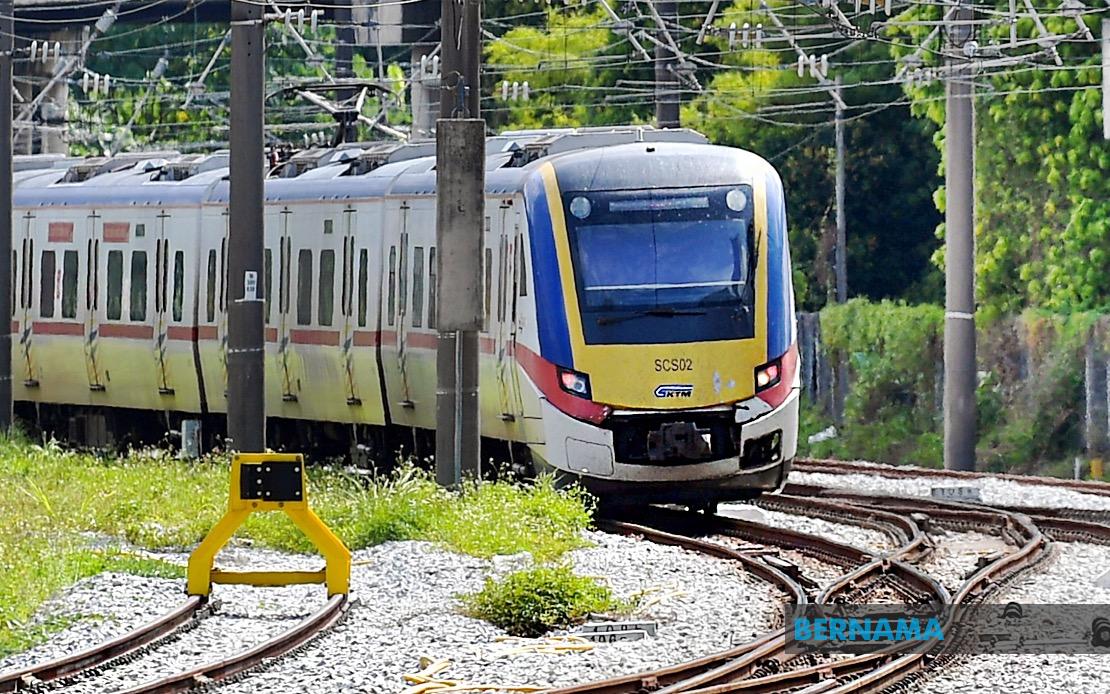
The surge in demand extends beyond road transport. Keretapi Tanah Melayu Bhd, the country's national rail operator, announced it is doubling seating capacity across its Electric Train Service to southern destinations during the critical July 10-12 period. According to KTMB Group chief executive officer Datuk Azlan Shah Al Bakri, an additional 7,560 seats have been provisioned for the high-traffic KL Sentral to JB Sentral route, effectively expanding total capacity from 7,560 to 15,120 seats on this corridor.
The demand figures underscore how significant the outward migration of voters is. As of early morning on the announcement day, 12,769 seats—representing 84 per cent of total capacity—had already been booked on the KL-JB route, leaving merely 2,351 seats available. This near-capacity utilisation reflects not only the importance voters attach to participating in state elections, but also the practical necessity of providing adequate transport infrastructure for those living far from their registered constituencies. For voters from Johor who have migrated to Selangor and Kuala Lumpur for work or studies, the train service remains a critical option for returning home.
The Gemas to JB Sentral route has similarly received capacity expansion, increasing from 630 to 4,410 seats during the election period. This route serves voters in the eastern corridor of Peninsular Malaysia who may have relocated but retain voting rights in Johor. By mid-morning, 47 per cent of these seats—2,064 bookings—had been claimed, with 2,346 seats still available, suggesting slightly less pressure on this secondary route but still substantial demand.
A real-time check of the KTMB Mobile app reveals the intensity of travel planning underway. Numerous peak-hour train services scheduled for Friday and Saturday were showing near-complete occupancy, though KTMB continues to advise members of the public to monitor ticket availability intermittently, as cancellations or additional services may open capacity. The near-sellout of premium travel slots indicates that voters are willing to spend on convenience to ensure they reach polling stations on time.
The context for this surge is the 16th Johor state election, which represents a significant political moment. A total of 172 candidates are contesting 56 state assembly seats, and 2,727,926 registered voters are eligible to participate. The scale of the electorate and the geographical spread of constituencies mean that transport logistics become a material factor in actual turnout, particularly for voters whose work or education has taken them beyond state borders.
The parallel mobilisation of non-state actors and government-linked transport operators reflects a shared understanding that access to voting is fundamental to democratic participation. While federal elections typically draw higher attention and resource allocation, state elections in Malaysia have increasingly become competitive, and stakeholders recognise that marginal voters—those who have relocated—can swing outcomes. The NGO's six buses and KTMB's expanded capacity together form part of a broader ecosystem encouraging voters to return for what many view as a critical electoral contest.

