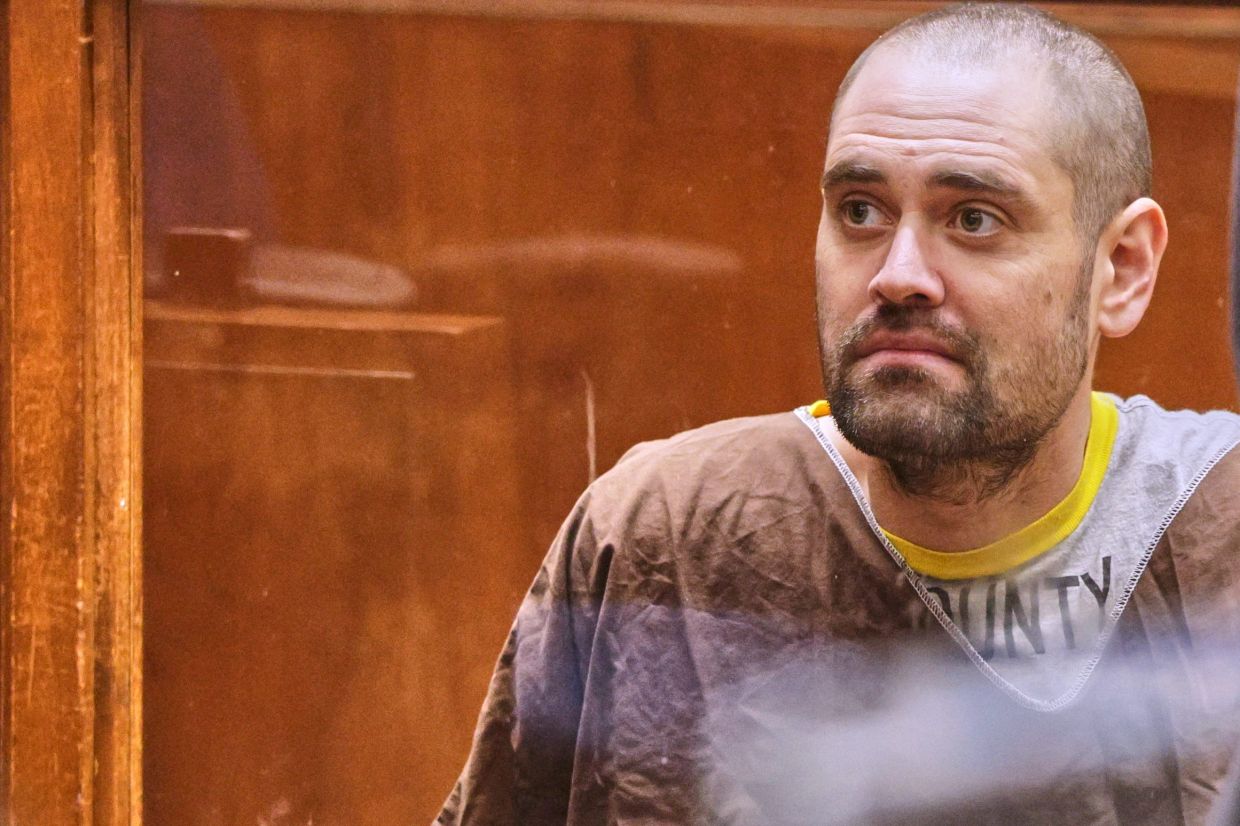
Nick Reiner, the 32-year-old son of acclaimed film director Rob Reiner, has filed a court petition seeking immediate access to trust funds established by his parents, arguing he requires the money to mount a proper legal defence against murder charges. The civil filing, submitted to Los Angeles County court this week, contends that trustees have wrongfully withheld funds to which he is legally entitled, preventing him from securing adequate representation in a capital case where he faces the prospect of execution.
The petition presents a stark tableau of a young man caught between the presumption of innocence and the practical realities of mounting a serious criminal defence. Nick Reiner's civil attorneys argue that regardless of the gravity of the charges against him—two counts of murder stemming from the deaths of his parents on December 14—he retains the right to draw upon his own lawfully held assets. The filing emphasises that trust litigation should remain separate from determinations of guilt or innocence, a legal distinction that nonetheless appears blurred in practice.
Rob Reiner and his wife Michele Singer Reiner, a photographer and producer, were killed in their Brentwood home in Los Angeles in mid-December. Nick Reiner was arrested within hours and has maintained a not guilty plea. The murders shocked the Hollywood community given Rob Reiner's stature as a director whose 1980s and 1990s work produced some of cinema's most enduring comedies and dramas. The case has attracted significant media attention, though authorities have released little substantive information about motive or evidence.
The financial dimension of the case reveals another layer of complexity. Nick Reiner initially retained high-profile attorney Alan Jackson, a prominent criminal defence lawyer, but Jackson departed the case less than a month into the engagement. The petition discloses that Nick's siblings, Jake and Romy Reiner, had initially agreed to fund Jackson's representation but subsequently reversed that decision. In a statement included with the court filing, Jackson indicated his readiness to resume representation should funds become available, suggesting the departure was financial rather than strategic.
The trust at the centre of the dispute was established by Rob and Michele Reiner in 1993 specifically for Nick. According to the petition, the trust contained explicit instructions that Nick should receive half its assets upon turning 30 and the remainder at age 35. The filing alleges that Nick never received the payment due at 30, and that the current trustee, attorney Paul R. Kanin, has offered shifting justifications for withholding the funds. Concerns about Nick's competence, the petition argues, carry no legal weight as grounds for refusing a mandatory distribution that predates his current legal troubles.
The trust reportedly holds assets valued at minimum $1.5 million, though the exact figure remains undisclosed by Kanin. This considerable sum would be sufficient to hire experienced criminal counsel and build a comprehensive defence strategy. For a defendant facing potential capital punishment, access to adequate financial resources fundamentally shapes the quality of legal representation possible. The disparity between well-funded and under-resourced defences in capital cases has long been a concern for legal observers and civil rights advocates.
The criminal proceedings themselves are advancing slowly through the court system. Nick Reiner is scheduled to return for a pretrial hearing in September, with the case appearing to be in its preliminary stages. District Attorney Nathan Hochman has indicated that his office has not yet determined whether to seek the death penalty, leaving Nick Reiner in extended uncertainty about the ultimate stakes of his prosecution. The scarcity of publicly available information about the case reflects strict court orders limiting disclosure; even autopsy details have been sealed from public view.
The emotional toll on the Reiner family extends beyond the courtroom proceedings. Jake Reiner, Nick's brother, provided a rare public statement in April describing the experience as "a living nightmare" that proved "too devastating to comprehend." The family dynamic has fractured visibly, with siblings apparently taking divergent positions on supporting Nick's defence. This familial rupture mirrors the legal dispute over trust funds, creating a situation where Nick's ability to access his own inheritance has become entangled with his siblings' apparent unwillingness to continue financial support.
For Malaysian and Southeast Asian observers, the case illuminates persistent questions about criminal justice in wealthy democracies. The contrast between Nick Reiner's ability to petition for trust assets and the circumstances of less privileged defendants accused of serious crimes underscores how financial resources shape legal outcomes. In jurisdictions across the region, similar disparities exist, though often without the family trust mechanisms available to the wealthy. The case also demonstrates how modern criminal proceedings, even in high-profile matters involving prominent figures, can unfold with remarkable opacity, with crucial details sealed or withheld from public scrutiny.
The outcome of Nick Reiner's petition remains uncertain. Trustee Kanin has not publicly commented on the allegations that he has wrongfully withheld distributions, and judges must balance competing considerations: the rights of a defendant to use his own resources against potential concerns about the propriety of funding from a trust controlled by family members, some of whom may have conflicting interests. The ruling, whenever it comes, may set precedent for how courts handle trust disputes entangled with serious criminal accusations.