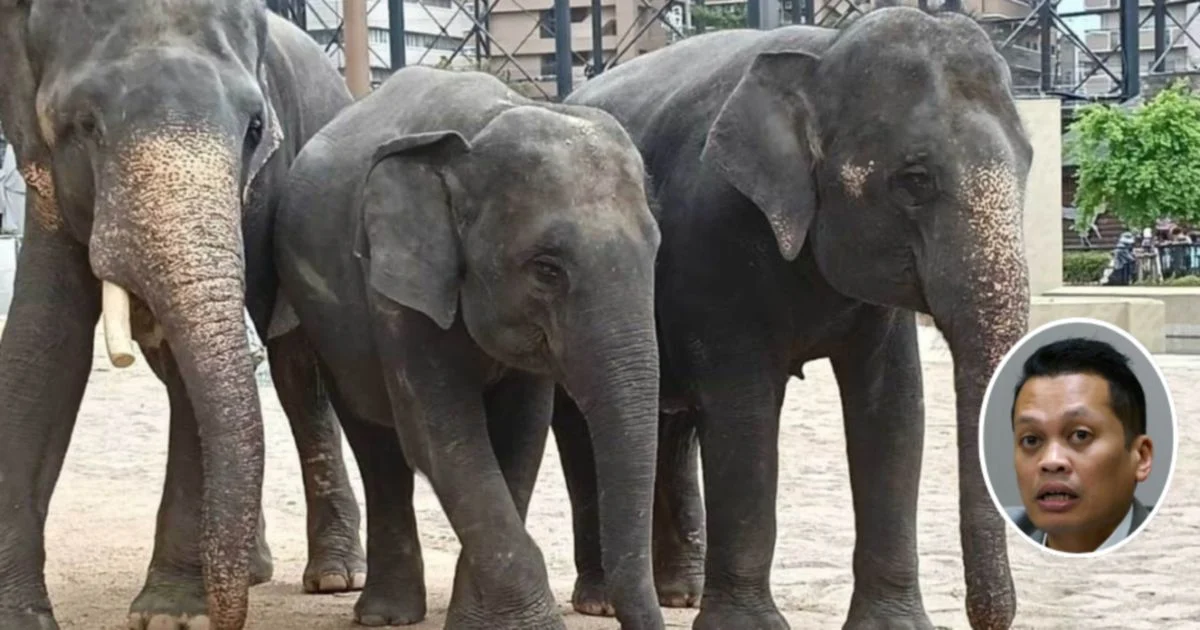
Former Natural Resources and Environmental Sustainability minister Nik Nazmi Nik Ahmad has categorically rejected suggestions that he played any role in alleged corrupt practices surrounding the relocation of three elephants to a Japanese zoological facility, amid mounting scrutiny over the financial arrangements underpinning the controversial wildlife transaction.
The former minister's statement comes as authorities continue examining the details of what has been characterized as an extraordinarily expensive transfer deal, with reports indicating that sums totalling RM53 million changed hands during the process. The unusual scale of payments has prompted questions from lawmakers and civil society observers about the legitimacy of the arrangement and whether appropriate oversight mechanisms were observed throughout the transaction.
Elephant transfers between nations typically involve complex logistics and veterinary arrangements, including specialized transport, quarantine facilities, and care during transition periods. However, the financial magnitude of this particular deal has raised eyebrows among those familiar with standard international wildlife relocation costs, suggesting that either the transfer involved unusually sophisticated infrastructure or that the payment structure merits closer examination.
The three elephants at the centre of the controversy were relocated from Malaysian facilities to a zoo in Japan during a period when Nik Nazmi held the portfolio for natural resources and environmental matters. His department would typically have oversight responsibilities for wildlife protection, conservation permits, and international treaties governing endangered species, making his categorical denial particularly significant given the timeframe and his administrative position.
Malaysia's handling of elephant conservation and international wildlife agreements has drawn international attention in recent years, particularly regarding the country's obligations under the Convention on International Trade in Endangered Species (CITES). The scrutiny extends to how wildlife facilities are managed and the decision-making processes behind significant relocations of endangered animals in Malaysian care.
The allegations represent a broader pattern of concern regarding transparency in government procurement and contractual arrangements, particularly in the natural resources sector. Malaysian civil society organizations have increasingly called for enhanced accountability mechanisms across ministries that manage valuable national assets, whether those assets are biological, mineral, or infrastructural in nature.
Zoological transfers of large animals like elephants involve considerable expense across multiple categories: sedation and veterinary supervision during transport, purpose-built aircraft or ship arrangements, receiving facility preparation, acclimatization periods, and ongoing veterinary care during transition. Nevertheless, the sum reportedly involved in this case substantially exceeds documented costs for comparable international elephant relocations, suggesting either exceptional circumstances or potential irregularities warranting investigation.
The former minister's denial does not preclude investigations by relevant authorities into the transaction's structure and approvals. Government procurement integrity remains a cornerstone concern for Malaysian institutions tasked with ensuring that public resources are deployed appropriately and in accordance with established protocols.
International zoological cooperation can provide genuine conservation benefits, allowing facilities to participate in breeding programmes and genetic diversity management for endangered species. Japan's zoos maintain several elephant populations and participate in global conservation initiatives, meaning the transfer itself may have had legitimate wildlife management objectives underlying the arrangement.
The incident underscores broader governance questions about how decision-making authority is distributed across government departments and whether sufficient checks and balances exist when significant resources are deployed on wildlife-related initiatives. As Malaysia seeks to strengthen its international standing on conservation matters, clarity regarding the legitimacy and propriety of such arrangements becomes increasingly important.
The matter also reflects the complexity of managing Malaysia's rich biodiversity and the institutional frameworks governing interactions between domestic wildlife management and international animal welfare standards. Future arrangements of comparable scale will likely face heightened scrutiny from both oversight bodies and public observers intent on ensuring that national assets are managed with complete transparency.

