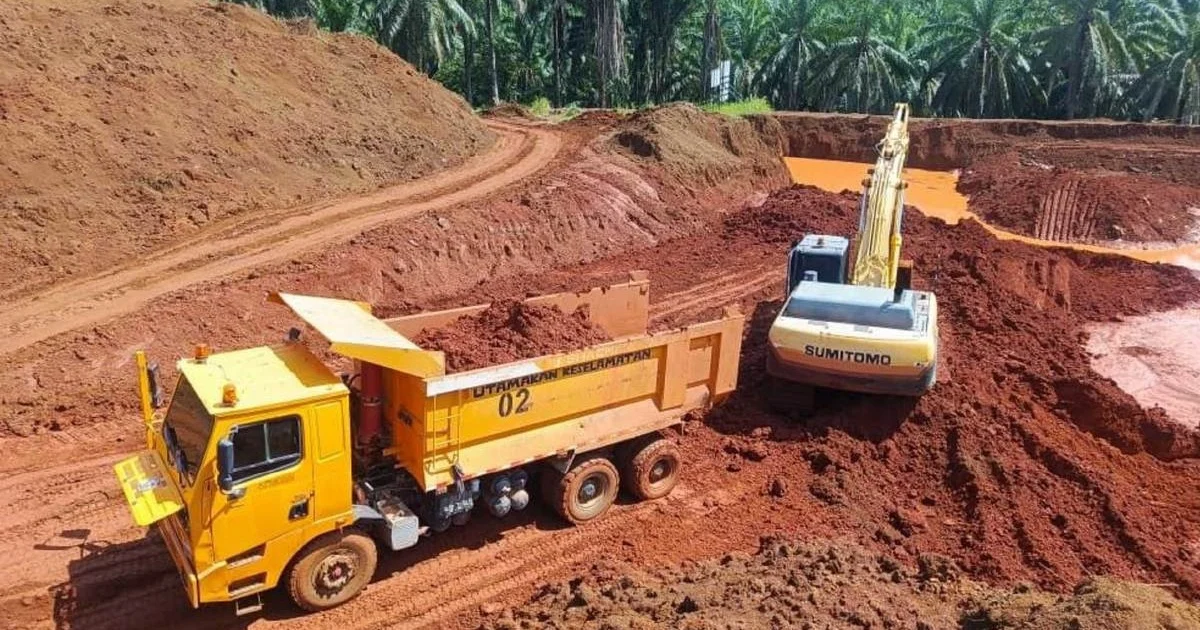
Authorities in Kuantan have dismantled what officials describe as a significant illegal bauxite mining operation, detaining nine individuals and confiscating assets worth RM3.75 million during a raid conducted at a Felda plantation in the Bukit Goh area. The enforcement action, which targeted a site actively engaged in extracting bauxite without proper licensing, represents a notable success in the ongoing battle against illicit mining activities that continue to plague Malaysia's mineral-rich regions.
The seizure encompasses approximately 10,000 tonnes of bauxite-bearing soil alongside an array of heavy machinery and commercial vehicles essential to the mining operation's functioning. This substantial material haul underscores the scale at which the illegal operation had been conducted, suggesting the network had established considerable infrastructure to extract and transport mined resources beyond the oversight of regulatory bodies. The combined valuation of RM3.75 million reflects not only the quantum of materials recovered but also the sophisticated nature of the equipment employed in the illicit enterprise.
Bauxite mining has become a particular concern for Malaysian authorities across several states, with the Pahang region historically serving as a focal point for both legitimate and unlicensed extraction. The mineral, a primary source of aluminium, carries significant commercial value, which explains the persistent appeal to criminal syndicates willing to circumvent legal frameworks and environmental safeguards. The targeting of a Felda plantation site is notably significant, as agricultural and smallholder cooperative lands represent areas where enforcement scrutiny may be inconsistent, creating opportunities for exploitation by organised mining groups.
The raid demonstrates an escalation in enforcement efforts, suggesting coordination between multiple regulatory agencies and law enforcement bodies tasked with monitoring mining activities. Such operations typically require substantial planning, intelligence gathering, and personnel deployment, indicating that authorities had established credible grounds to believe illegal extraction was occurring at scale. The successful apprehension of nine individuals points to a structured operation rather than isolated unlicensed prospecting, potentially involving a supply chain encompassing extraction, transport, and possibly onward sale or processing.
The environmental implications of illegal bauxite mining remain substantial and often overlooked in enforcement discussions. Unregulated extraction disrupts soil composition, compromises agricultural viability, and can contaminate water sources essential to surrounding communities. In Pahang, where significant bauxite deposits exist, cumulative environmental damage from unlicensed mining has prompted ongoing concerns among conservation advocates and residents adjacent to mining zones. Felda plantation lands, intended for agricultural production and community benefit, become degraded through clandestine extraction, reducing their productive capacity and long-term value.
For Malaysian readers and regional observers, this enforcement action carries implications extending beyond the immediate criminal liability of those detained. The seizure of such substantial machinery and materials disrupts the commercial viability of the illegal network, at least temporarily, and sends a message that licensing requirements exist for legitimate operational and environmental protection reasons. However, the persistence of bauxite mining violations despite previous enforcement campaigns suggests that demand-side pressures and profit incentives continue to attract new participants to illicit extraction.
The role of Felda lands in this instance raises questions about land-use oversight and security protocols on cooperative plantation territories. Felda, as a government-linked statutory authority managing substantial land holdings, operates under frameworks ostensibly protecting these assets from unauthorised commercial activities. The successful breach of security and establishment of an extraction operation suggests either insufficient monitoring mechanisms or potential complicity within administrative structures—issues that regulatory bodies may need to address through enhanced verification procedures and personnel accountability measures.
Investigations into the detained individuals will likely focus on establishing the ownership structure of the operation, identification of downstream purchasers or processors, and determination of whether syndicate connections extend to other mining sites across Pahang or neighbouring states. Malaysian law enforcement agencies have previously uncovered networks spanning multiple locations, suggesting that singular raids, while valuable, may represent only portions of larger illicit mining enterprises. Intelligence sharing between state-level enforcement bodies and federal authorities becomes critical in dismantling these broader networks rather than simply addressing individual sites.
The RM3.75 million valuation also raises questions about the profitability sustaining these operations and the financial mechanisms enabling ongoing illegal activities. If individual raids yield equipment and materials worth millions of ringgit, the aggregate revenue generated before apprehension must substantially exceed enforcement costs, creating persistent financial incentives for participants. This economic imbalance suggests that deterrence through penalties and asset seizure alone may prove insufficient without simultaneous interventions addressing demand for illegally extracted bauxite and tightening supply chain accountability.
For the nine individuals detained, prosecutions under relevant mining and environmental legislation could result in substantial penalties and potential incarceration, depending on their roles within the operation and evidence gathered during investigations. Malaysian mining laws impose serious consequences for unlicensed extraction, though enforcement consistency and sentencing severity remain variables influencing overall deterrent effects. The Kuantan case will likely proceed through courts over coming months, potentially establishing precedent regarding prosecution strategies for contemporary illegal mining operations.

