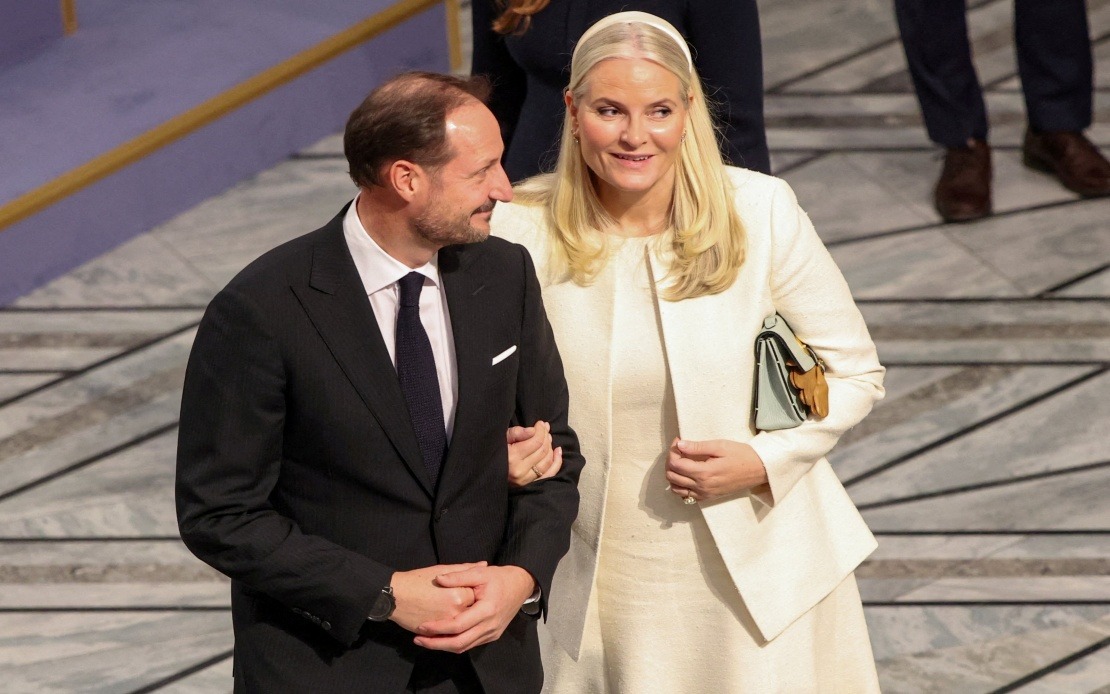
Norway's Crown Princess Mette-Marit has undergone a successful lung transplant operation, the Norwegian royal family announced on Wednesday, marking a significant medical milestone for the 52-year-old after her ongoing battle with a degenerative respiratory disease. The procedure represents a turning point for the wife of Crown Prince Haakon, who has endured the physical limitations imposed by her condition for years.
Mette-Marit suffers from pulmonary fibrosis, a progressive and incurable lung disease characterized by the gradual scarring of lung tissue that steadily impairs the body's ability to absorb oxygen. The degenerative nature of the condition has forced the Crown Princess to depend on supplemental oxygen in her daily activities, a visible reminder of her declining respiratory function. This reliance on oxygen support highlights the severity of her medical situation and the urgent need for intervention.
The Royal Palace in Oslo formally announced on June 5 that Mette-Marit had been accepted onto the transplant waiting list, a decision that typically reflects a prognosis indicating that patients have approximately one year to live without receiving a donor organ. Placement on such waiting lists is never made lightly, as it signifies that medical professionals have exhausted conventional treatment options and that a replacement organ represents the only viable path to extending both the quality and duration of the patient's life.
What has emerged as equally noteworthy as the medical success itself is the profound public response to the announcement of the Crown Princess's medical need. According to Norway's Organ Donation Foundation, as reported by Norwegian news agency NTB, the country experienced a dramatic surge in organ donor registrations in the weeks following the initial June 5 announcement that Mette-Marit required a transplant. This phenomenon underscores how high-profile medical situations involving public figures can fundamentally shift public attitudes toward organ donation.
The timing of Mette-Marit's transplant and the accompanying surge in donor registrations offer important insights into organ donation patterns across Scandinavia. Norway, like most developed European nations, faces ongoing challenges in meeting transplant demand, with the gap between patients needing organs and available donor organs remaining substantial. The Crown Princess's case has inadvertently served as a powerful public awareness campaign, demonstrating both the medical feasibility of transplantation and the life-saving potential of organ donation programs.
For Southeast Asian observers, the Norwegian experience provides relevant parallels and contrasts. Malaysia and other regional countries also struggle with organ donation shortages, though cultural, religious, and bureaucratic factors differ markedly from the European context. The Malaysian public's response to high-profile medical cases, particularly those involving prominent figures, similarly influences donation rates, suggesting that transparent communication about transplant needs and successes can drive behavioral change across diverse societies.
Pulmonary fibrosis itself warrants attention as a global health concern that extends far beyond this single case. The disease affects thousands of patients worldwide and remains incurable through conventional pharmaceutical interventions. While lung transplantation offers the only definitive treatment, the scarcity of available donor organs means many patients never receive the opportunity for the procedure. Mette-Marit's case thus represents not merely a personal health victory but also a illustration of both the potential and limitations of modern transplant medicine.
The successful transplant also carries symbolic weight within Norwegian society. As a senior member of the royal family who has been active in public life despite her illness, Mette-Marit's recovery will likely reinvigorate her capacity to undertake official duties and charitable work. Her return to fuller participation in royal functions demonstrates the transformative impact that transplantation can achieve, potentially serving as an inspiration to other patients awaiting organs and their families navigating similar medical journeys.
Looking forward, the increased momentum in organ donation registrations sparked by Mette-Marit's case presents an opportunity for Norwegian health authorities to capitalize on heightened public interest. Educational campaigns, streamlined registration processes, and continued dialogue about the importance of organ donation could consolidate the gains achieved through this high-profile medical event. The challenge lies in converting temporary surges in interest into sustained, long-term commitment to organ donation from the broader population.